
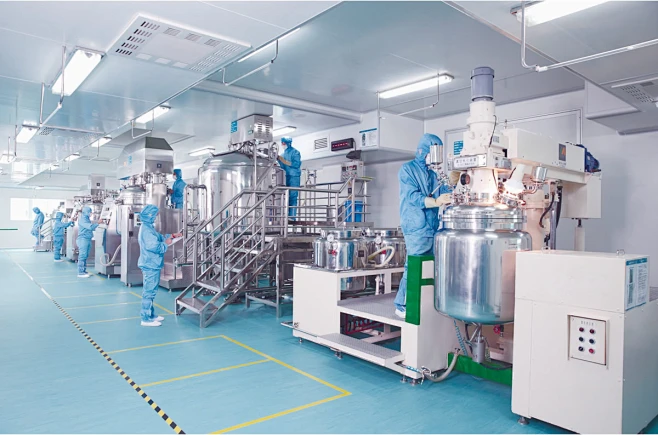
The global skincare market is evolving rapidly, driven by consumer demand for innovative, safe, and effective products. For brand founders, salon owners, and cosmetic entrepreneurs, launching a successful product line no longer requires building a multi-million-dollar facility. Partnering with a reliable private label skincare manufacturer is the most strategic way to bring high-quality formulations to market efficiently.
However, selecting the right manufacturing partner is a critical business decision. Your manufacturer is the backbone of your brand’s reputation, product efficacy, and supply chain stability. This comprehensive guide explores everything you need to know to evaluate, select, and collaborate with a top-tier private label skin care manufacturer, ensuring your products meet the highest industry standards.
Why Partner with a Private Label Skincare Manufacturer?
A private label manufacturer produces goods that are sold under another company’s brand name. In the cosmetics and skincare industry, this model offers significant strategic advantages for both emerging startups and established enterprise brands looking to expand their product matrices.
-
Accelerated Speed to Market: Developing a skincare formulation from scratch can take years. Private label factories offer pre-tested, proven formulations that can be customized and launched in a matter of months, allowing you to capitalize on fast-moving industry trends.
-
Reduced Overhead Costs: Building a dedicated manufacturing facility requires massive capital investment in machinery, cleanrooms, and specialized personnel. Contract manufacturing shifts this financial burden, freeing up your capital to focus on branding, marketing, and customer acquisition.
-
Access to Expert R&D: Premium manufacturers employ teams of experienced cosmetic chemists who understand ingredient interactions, preservation systems, and active compound delivery. You instantly gain access to top-tier research and development capabilities.
-
Regulatory Compliance: Navigating the complex landscape of cosmetic regulations (such as FDA guidelines in the US or CPNP registration in Europe) is daunting. Established factories have dedicated compliance teams to ensure your products meet all legal and safety requirements.
Key Credentials of a High-Quality Skincare Manufacturer
To ensure in your product line, you must partner with a factory that embodies these same principles. When auditing potential partners, look for the following non-negotiable credentials.
1. Internationally Recognized Certifications
The foundation of manufacturing trustworthiness lies in verifiable certifications. A reputable facility must operate under strict hygiene and quality control standards.
-
ISO 22716 (GMP): Good Manufacturing Practices certification is the international gold standard for cosmetics, ensuring consistent quality and safety across all production batches.
-
Cruelty-Free and Vegan Certifications: With the rise of conscious consumerism, having a partner capable of producing Leaping Bunny certified or 100% vegan formulations is a major competitive advantage.
-
Organic and Clean Beauty Standards: If you are targeting the clean beauty niche, ensure the manufacturer has experience sourcing and handling ECOCERT or USDA Organic ingredients.
2. Advanced Formulation and Customization Capabilities
While basic private labeling involves putting your brand on an off-the-shelf product, true long-term growth requires the ability to customize. Look for a manufacturer offering custom private label skincare formulations. They should be able to adjust textures, fragrances, and active ingredient concentrations to create a unique selling proposition (USP) for your long-tail target market.
3. Rigorous Quality Assurance and Testing Protocols
Product stability and safety are paramount. A single bad batch can ruin a brand’s reputation. Your manufacturing partner must conduct comprehensive testing before mass production.
-
Stability Testing: Ensuring the product does not separate, change color, or lose efficacy over time or under extreme temperatures.
-
Microbiological Testing: Verifying that the product is free from harmful bacteria, yeast, and mold, and that the preservative system is effective (Challenge Testing).
-
Packaging Compatibility Testing: Confirming that the formulation does not degrade or react negatively with your chosen bottles, jars, or tubes.
The End-to-End Private Label Production Process
Understanding the workflow of contract manufacturing helps you manage timelines and set realistic expectations. A professional B2B partnership typically follows a structured, multi-step process.
Step 1: Initial Consultation and Project Scoping
The process begins with a detailed brief. You will discuss your target audience, desired active ingredients (e.g., Niacinamide, Hyaluronic Acid, Peptides), texture preferences, and target price per unit. A professional manufacturer will provide honest feedback on feasibility and suggest formulation adjustments to optimize efficacy and cost.
Step 2: Sampling and Refinement
The R&D team will create initial lab samples based on your brief. This is an iterative process. You will test the samples for skin feel, absorption, scent, and overall performance. You can request adjustments until the formulation aligns perfectly with your brand vision.
Step 3: Packaging Selection and Design
Packaging is as crucial as the formulation itself. A full-service manufacturer often provides a catalog of standard packaging options or assists in sourcing custom molds. They will also guide you on label compliance, ensuring your ingredient lists (INCI) and usage warnings meet regional regulatory standards.
Step 4: Mass Production and Quality Control
Once samples and packaging are approved, the mass production phase begins. Ingredients are weighed, blended in industrial homogenizers, and piped into filling lines. Throughout this phase, the QA team pulls random samples to verify consistency against the approved benchmark.
Step 5: Fulfillment and Logistics
After passing final inspections, the finished goods are shrink-wrapped, palletized, and prepared for freight. Many advanced manufacturers also provide direct B2B logistics support, shipping directly to your warehouse or Amazon FBA fulfillment centers.
Evaluating Supply Chain Scalability
A common trap for new brands is partnering with a manufacturer that cannot scale. While you may initially search for “low MOQ private label skincare” to test the market with minimal risk, you must ensure the factory can handle massive volume spikes when your marketing campaigns succeed.
Ask potential partners about their daily output capacity, lead times for reorders, and supply chain redundancy for critical raw materials. A reliable manufacturer will have strong relationships with multiple raw material suppliers to prevent production bottlenecks during global supply chain disruptions. Transparency in ingredient sourcing is a strong indicator of a trustworthy B2B partner.
Frequently Asked Questions (FAQ)
What is the typical Minimum Order Quantity (MOQ) for private label skincare?
MOQs vary significantly by manufacturer and product type. Standard “white label” products with stock packaging can have MOQs as low as 500 to 1,000 units. Fully custom formulations requiring bespoke ingredients typically require MOQs ranging from 5,000 to 10,000 units to offset R&D and setup costs.
How long does the private label process take?
For existing, pre-formulated products, the timeline from sample approval to delivery is usually 4 to 6 weeks. For custom formulations, the timeline extends to 12 to 16 weeks, as mandatory stability and microbiological testing alone require 8 to 12 weeks to complete accurately.
Who owns the intellectual property (IP) of the formulation?
This depends on the contract. In a standard private label agreement using a factory’s existing formula, the manufacturer retains the IP. If you pay for custom formulation and development (Contract Manufacturing), you can negotiate to own the IP and the exact ingredient percentages, allowing you to move production to another facility in the future if necessary.
Can a private label manufacturer help with FDA compliance?
Yes. A reputable, GMP-certified manufacturer will ensure that your product formulations utilize approved cosmetic ingredients and adhere strictly to safe usage percentages. They will also provide the necessary documentation, such as Safety Data Sheets (SDS) and INCI lists, required for regulatory registration.
Are private label skincare products safe?
Absolutely, provided you work with a certified and transparent manufacturer. High-quality factories adhere to the same rigorous safety, hygiene, and testing protocols as the manufacturers producing items for the world’s largest luxury skincare brands.
Ready to Elevate Your Skincare Brand?
Choosing the right private label skincare manufacturer is the first step toward building a profitable, scalable, and trusted beauty brand. You need a partner who prioritizes formulation excellence, strict quality control, and seamless communication.
If you are looking to develop high-conversion, long-tail skincare products that dominate the market, our team of expert cosmetic chemists and production specialists is ready to help. From concept and sampling to high-volume manufacturing, we provide the infrastructure your brand needs to succeed.
Contact our B2B manufacturing team today to request a product catalog, discuss your custom formulation ideas, and receive a tailored quote.
WhatsApp:+86 134 8026 8601