
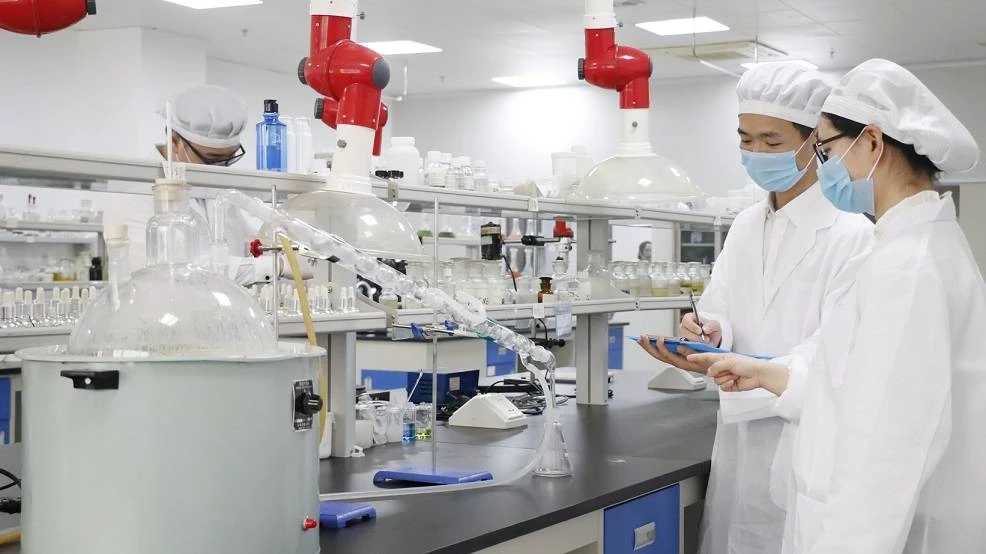
When scaling your beauty or skincare brand, your supply chain is the backbone of your success. For decades, global beauty brands have turned eastward to optimize production. Partnering with a reliable cosmetics OEM manufacturer in China offers an unmatched combination of advanced formulation technology, scalable production, and cost-effective manufacturing.
Whether you are launching a new private label skincare line or expanding an existing haircare brand, this guide covers everything you need to know about working with a Chinese cosmetics manufacturer.
Why Choose a Cosmetics OEM Manufacturer in China?
The Chinese cosmetics manufacturing industry has evolved from basic assembly to offering world-class, innovative formulation and production services. Here is why top beauty brands choose China for their OEM (Original Equipment Manufacturer) and ODM (Original Design Manufacturer) needs:
-
Mature Supply Chain: From raw material sourcing (like trendy herbal extracts or trending oils) to custom packaging, China offers a fully integrated supply chain. This reduces lead times and logistics costs.
-
Advanced R&D Capabilities: Leading factories invest heavily in research and development, allowing brands to access cutting-edge formulations, clean beauty standards, and vegan-friendly ingredients.
-
Cost-Efficiency at Scale: Whether you need a massive production run or are looking for flexible, low Minimum Order Quantity (MOQ) solutions, Chinese manufacturers offer highly competitive pricing without compromising quality.
Essential Certifications for Quality Assurance
When evaluating a cosmetics OEM manufacturer in China, verifying their quality control standards is non-negotiable. Selling cosmetics in markets like the US, EU, or UK requires strict compliance. Always look for factories that hold the following certifications:
1. GMPC (Good Manufacturing Practice of Cosmetics)
GMPC certification ensures that the manufacturer follows stringent hygiene and quality control protocols throughout the production process. It guarantees that the factory environment is clean and that the products are safe for consumer use.
2. ISO 22716
This is the international standard for the good manufacturing practices of cosmetics. A factory with ISO 22716 certification operates under a globally recognized quality management system, which is crucial for passing international customs and regulatory body audits (such as the FDA or the EU’s CPNP).
The OEM Production Process Explained
Understanding the workflow of a cosmetics OEM manufacturer in China helps you plan your product launch efficiently. A standard, high-quality production cycle typically involves:
-
Requirement Communication: You provide your product concept, target audience, and benchmark samples.
-
Formulation & Sampling: The factory’s R&D team develops a custom formula or tweaks a mature existing formula to meet your needs. Samples are sent for your approval.
-
Packaging Selection: You choose or design the primary and secondary packaging. Many factories offer integrated sourcing for bottles, jars, and boxes.
-
Testing & Compliance: The product undergoes stability testing, microbial testing, and safety evaluations.
-
Mass Production & QC: Once approved, mass production begins under strict quality control (QC) guidelines.
-
Shipping & Logistics: The finalized products are packed and shipped to your designated global warehouses.
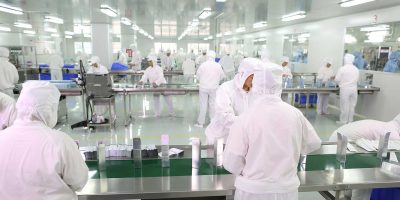
Flexible Solutions: Navigating MOQ (Minimum Order Quantity)
A common hurdle for independent beauty brands is the high MOQ required by traditional factories. However, the manufacturing landscape is shifting. Many highly capable OEM factories in China now offer low MOQ solutions to help startup brands test the market before committing to large volumes.
When negotiating, ask the manufacturer if they have “stock formulas” or standardized packaging options. Utilizing pre-tested, high-quality base formulas (such as standard hydrating serums, hair dyes, or basic cleansers) can significantly lower your initial MOQ and drastically speed up your time-to-market.
Frequently Asked Questions (FAQ)
Q1: What is the difference between an OEM and an ODM cosmetics manufacturer? A: An OEM (Original Equipment Manufacturer) produces cosmetics based entirely on your specific formulas and designs. An ODM (Original Design Manufacturer) provides pre-developed formulas and packaging that you can brand as your own (private label). Most top-tier factories in China offer both services.
Q2: What is the typical MOQ for a cosmetics OEM manufacturer in China? A: Traditionally, MOQs range from 5,000 to 10,000 units per SKU. However, many modern manufacturers now offer low MOQ options starting between 500 and 1,000 units, especially if you utilize their mature stock formulas and standard packaging.
Q3: How can I verify the reliability of a Chinese cosmetics factory? A: Always ask for copies of their GMPC and ISO 22716 certificates. Additionally, request a video tour of their facility, check their raw material sourcing partners, and order physical samples before signing any contracts or paying deposits.
Q4: How long does the cosmetic OEM production process take? A: If you are using a custom formula and custom packaging, the process (including sampling and testing) usually takes 35 to 50 days. If you choose an ODM model with stock formulas and standard packaging, production can often be completed in 15 to 25 days.
Q5: Can Chinese OEM manufacturers produce “Clean Beauty” or organic products? A: Yes. Many premium manufacturers source globally recognized organic ingredients and formulate without parabens, sulfates, or artificial fragrances to meet the strict standards of the international “Clean Beauty” market.