
As we navigate 2026, the global beauty landscape has shifted from simple “Made in China” mass production to “Innovated in China” high-tech formulation. For international brand owners and wholesalers, China remains the undisputed hub for cosmetic manufacturing—not just for cost efficiency, but for its absolute leadership in AI-driven R&D and biotech-driven ingredients like recombinant collagen and synthetic biology.
However, with the full implementation of China’s CSAR (Cosmetic Supervision and Administration Regulation) and global shifts like the US MoCRA, finding a partner who balances cutting-edge innovation with strict legal compliance is more critical than ever.
1. Why Choose China in 2026? Innovation Meets Compliance
The “China Advantage” in 2026 is defined by two pillars: Speed to Market and Biotech Superiority. Chinese factories are no longer just mixers; they are tech hubs utilizing AI to predict formulation stability and consumer trends months in advance.
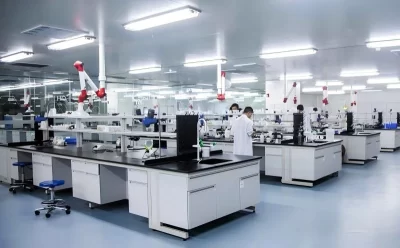
Despite this, we acknowledge the elephant in the room: Compliance and Consistency. Many overseas buyers worry about whether a factory in Guangzhou can meet the rigorous safety standards of the EU or North America. The good news? The current regulatory environment in China is now among the strictest in the world, forcing lower-tier workshops out and leaving only sophisticated, high-standard manufacturers.
2. 5 Critical Dimensions for Selecting a Manufacturer (2026 Edition)
When vetting a potential ODM/OEM partner, move beyond the price sheet and evaluate these five pillars:
I. Compliance & Global Certifications
While GMPC (ISO 22716) is the baseline, a reliable 2026 partner must demonstrate expertise in international frameworks.
-
For US Markets: Ensure they are prepared for MoCRA (Modernization of Cosmetics Regulation Act) listing and facility registration.
-
For EU Markets: Verify their ability to provide full PIF (Product Information Files) and compliance with REACH.
II. R&D Capability: Beyond the “Stock Formula”
The most successful brands today are built on exclusive formulas. Look for manufacturers investing in:
-
Neurocosmetics: Ingredients that impact the skin-brain connection (e.g., stress-reducing topicals).
-
Biotech-Grade Actives: Facilities that produce their own fermentation-based ingredients or stabilized vitamin derivatives.
III. Supply Chain Transparency & Traceability
Modern consumers demand to know where their Centella Asiatica or Ginseng extract comes from. Partner with factories that offer “Seed-to-Serum” traceability, ensuring that raw materials are ethically sourced and free from adulteration.
IV. MOQ Flexibility (The Rise of Small Batches)
The “One-Size-Fits-All” 10,000-unit MOQ is dying. To stay competitive, top-tier manufacturers now offer Small Batch Production (e.g., 500–1,000 units) for premium lines. This allows brands to test the market with “pSEO” (Programmatic SEO) or social media drops without heavy inventory risk.
V. Sustainability: The New Standard
In 2026, sustainability is a requirement, not an option. Your manufacturer should offer:
-
PCR (Post-Consumer Recycled) plastic or bio-based packaging.
-
Clean Beauty formulations that exclude “Red List” ingredients while maintaining high performance.
3. 2026 China Beauty Trends to Watch
To capture high-intent B2B inquiries, your product line should align with these three dominant trends:
-
Skincaring Makeup: Foundations and lip products are now expected to function as skincare. We are seeing high demand for foundations infused with ceramides and hyaluronic acid for “all-day repair.”
-
Advanced Scalp Care: The “Skinification of Hair” is peaking. Anti-hair loss serums, scalp exfoliating scrubs, and essential oil-infused treatments are high-margin categories for 2026.
-
Eco-Friendly Packaging: Zero-plastic initiatives and Refillable Systems are the top requests from Western distributors looking to reduce their carbon footprint.
4. Practical Guide: Avoiding Common Pitfalls
Navigating a partnership across borders requires a tactical approach. Follow these three steps to secure your supply chain:
Step 1: Rigorous Sample Testing
Never skip the “Stress Test.” Ensure your sample matches the mass production quality by requesting a Pre-Shipment Sample (PSS) from the actual production run, not just the hand-made lab sample.
Step 2: Virtual & Third-Party Audits
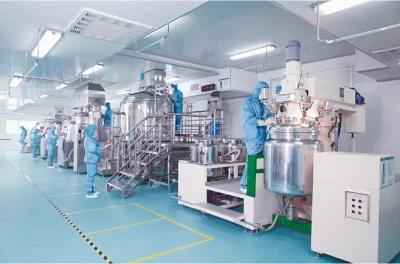
If you cannot visit the factory in Guangzhou or Shanghai, leverage technology. Use live video tours to inspect the cleanroom standards. Better yet, hire a third-party firm like SGS or Intertek to perform a professional audit.
Step 3: Detailed Contracts & IP Protection
Ensure your contract explicitly defines:
-
IP Ownership: Who owns the formula? (Ensure it is you if it’s a custom ODM project).
-
Lead Times: Define penalties for unauthorized delays.
-
Quality Thresholds: Clearly state the Acceptable Quality Level (AQL) for packaging and filling.
Conclusion
Finding a reliable cosmetic manufacturer in China in 2026 is about finding a partner who is as invested in Science and Sustainability as they are in Production. By focusing on biotech capabilities and strict compliance, you can build a brand that stands the test of time and global regulation.