
Building an exclusive shampoo brand is no longer the sole privilege of large multinational corporations. For salon chains, beauty entrepreneurs, brand owners, or wholesale buyers, leveraging OEM (Original Equipment Manufacturer) and ODM (Original Design Manufacturer) models can significantly reduce initial R&D and equipment investments, allowing you to quickly bring market-demanded shampoo and hair care products to market.
If you are preparing to step into the personal care sector or looking to expand your existing product lines, this complete manufacturing guide will take you through every critical step from concept to realization.

1. Establish Market Positioning and Target Audience
Before contacting any manufacturer, you need a clear blueprint for your brand. The shampoo market is highly competitive, and the key to success lies in “differentiation.”
-
Solving Pain Points: What is the primary function of your product? Is it targeting hair loss, dandruff, sensitive scalps, or focusing on post-dyeing and perming repair? (e.g., featuring natural herbal extracts or salon-grade high-efficiency repair formulas).
-
Target Audience: Are the products intended for professional hair salons, retail distribution, or aimed at high-end, premium customer segments?
-
Pricing Strategy: Clear market positioning will directly impact your formula costs, packaging materials, and ultimate retail price.
2. Find and Evaluate Quality OEM/ODM Source Manufacturers
Choosing the right manufacturer is the cornerstone of brand success. For B2B buyers and brand owners, working directly with a “source manufacturer” ensures profit margins and quality control. When evaluating suppliers, please focus on the following:
-
R&D Strength and Formula Library: An excellent supplier can not only produce according to your requirements but also possesses a mature formula library (e.g., silicone-free formulas, amino acid shampoos, plant essential oil series) for you to choose from or fine-tune.
-
Production Qualifications and Certifications: Ensure the factory complies with international good manufacturing practices for cosmetics, such as ISO and GMPC, which is crucial for the future compliance and export of your products.
-
Communication and Services: A professional B2B supplier should provide a “one-stop service” from concept discussion, sampling, and production to shipping, along with a high degree of cooperation.
3. Product Formula R&D and Sample Testing
After confirming the intention to cooperate, you enter the core product development phase.
-
Requirements Communication: Detail your desired product efficacy, fragrance notes (e.g., floral, woody, fruity), texture (transparent gel or milky), and cost budget to the manufacturer.
-
Sample Testing: The factory laboratory will provide samples based on your requirements. Be sure to personally test them or invite your target audience to conduct blind tests, evaluating foaming ability, cleaning power, post-wash smoothness, and fragrance longevity.
-
Formula Adjustment: Fine-tune based on testing feedback until it meets your brand’s highest standards.
4. Packaging Design and Brand Visuals
Consumers’ first impression of a shampoo often comes from its packaging. Outstanding packaging design can significantly enhance the product’s added value.
-
Packaging Material Selection: Choose suitable bottle materials (PET, HDPE, or eco-friendly recyclable materials) and pumps based on brand positioning.
-
Visual Design: The label design must align with the brand tone, whether it’s a minimalist, professional medical-beauty, or natural herbal style.
-
Regulatory Labeling: Ensure that the full ingredient list, usage instructions, precautions, and manufacturer information on the packaging fully comply with local cosmetics regulations.
5. Signing the Contract and Mass Production
Once the formula and packaging are confirmed without errors, mass production can begin.
-
Contract Details: Clearly define delivery times, quality inspection standards, payment terms, and after-sales service clauses.
-
Quality Control (QC): Professional source manufacturers will conduct strict microbiological and physicochemical tests before raw materials enter the plant, during the production process, and before finished products leave the warehouse, ensuring the stability of every batch.
6. Product Delivery and Market Promotion
After successful product delivery, your focus will shift to marketing and sales. Backed by high-quality products, you can present your brand strength to wholesale buyers, salon shops, or end consumers with greater confidence.
Frequently Asked Questions (FAQ)
Q1: What is the difference between OEM and ODM? Which model should I choose? OEM (Original Equipment Manufacturer) means you own the formula and brand design, and the factory is purely responsible for manufacturing; ODM (Original Design Manufacturer) means the factory provides a one-stop solution from formula R&D and packaging design to production. If you are a startup brand owner or salon shop, choosing the ODM model allows you to directly use the manufacturer’s mature and stable formula library, significantly shortening the R&D cycle and reducing early-stage risks.
Q2: How long does it take from confirming requirements to the final shampoo delivery? Project timelines vary depending on the degree of customization. Generally, if you choose the supplier’s existing mature formula, sampling and testing take about 1-2 weeks; after confirming the formula and packaging materials, production and filling take about 3-4 weeks. The overall process usually takes around 1 to 1.5 months. If you need to develop a new formula from scratch, additional time will be required for various stability and preservative tests.
Q3: Can I provide my own bottles and packaging, and just have the factory manufacture the shampoo contents? Yes. Professional source manufacturers usually offer flexible cooperation models (i.e., contract filling). You can purchase your preferred bottles, pumps, and labels yourself and ship them to the factory for cleanroom filling and packaging. Of course, if you want to save the hassle of coordinating with multiple parties, the supplier can also provide a one-stop packaging purchasing service.
Q4: Will the manufacturer help handle product inspections and related regulatory certifications? Legitimate cosmetics manufacturing plants conduct strict microbiological and physicochemical testing in their in-house laboratories before products leave the factory, providing a Certificate of Analysis (COA). Furthermore, for cosmetics product registration required for market launch, or specific inspections required for export (such as SGS testing), the factory’s technical team can provide complete ingredient lists and technical documents to assist.
Q5: If I am targeting professional salon clients, can the factory achieve salon-grade repair effects? This is exactly the strength of high-quality manufacturers. Experienced suppliers will adjust the formula structure for different channels (e.g., professional hair salons, medical beauty clinics, general wholesale). You can explicitly request a “salon-grade” high-efficiency repair, deep cleaning, or post-dyeing/perming care formula. The factory can meet professional-grade needs by adding specific active ingredients (such as hydrolyzed keratin, high-concentration amino acids, etc.).
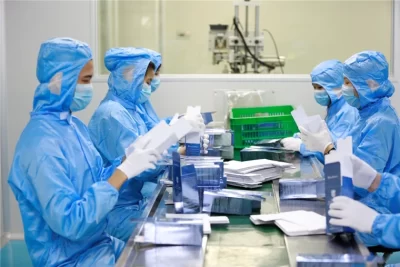
Ready to Start Your Shampoo Brand?
To build a successful shampoo brand, choosing a source manufacturer with strong supply chain capabilities and rich R&D experience is key. Whether you need an exclusive custom formula or are looking for a mature and stable salon-grade product line, a professional supplier can provide you with strong backing.
Inquire Now to discuss your brand needs with our professional manufacturing team and start your private label journey!