
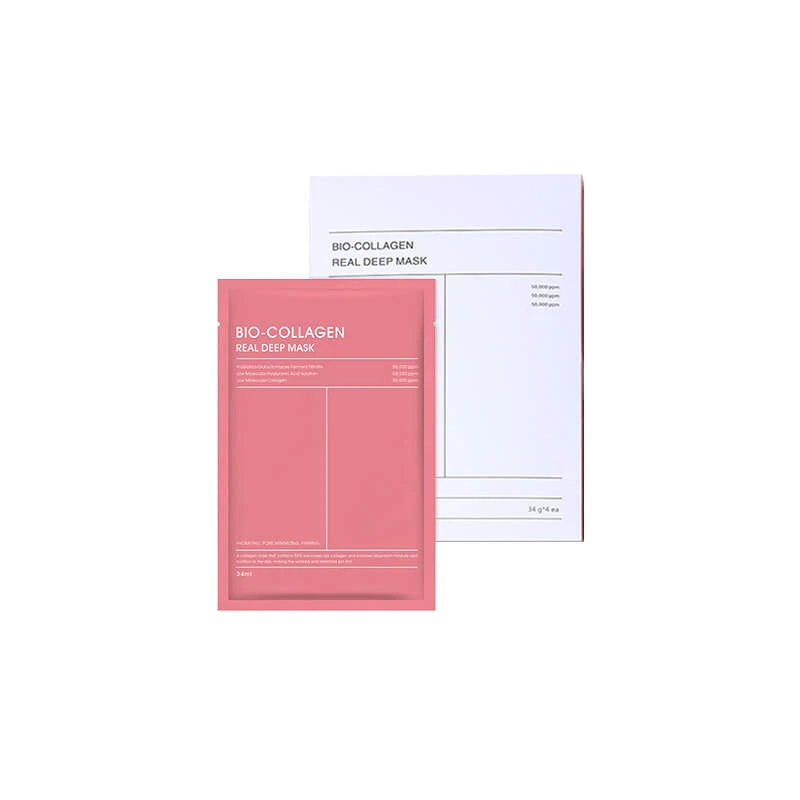
Starting your own makeup or skincare brand is a dream for many entrepreneurs and beauty influencers. However, once you have a brilliant brand concept and marketing strategy, the first major challenge that follows is: Who will manufacture your products?
When searching for a cosmetics manufacturer, you will frequently encounter two acronyms: OEM and ODM. Understanding the difference between these two manufacturing models is crucial for determining whether your brand can successfully launch, control costs, and stand out in the market.
This article will provide an in-depth analysis of the core differences between cosmetics OEM and ODM and help you determine which model is better suited for your brand’s growth.
What is Cosmetics OEM (Original Equipment Manufacturer)?
OEM (Original Equipment Manufacturer) is often referred to in the beauty industry as “contract manufacturing.” In this model, your brand has full ownership of the intellectual property (IP), formula, and product design. You provide these detailed specifications to the manufacturer, and the factory is solely responsible for mass-producing the product according to your exact requirements.
Pros of OEM:
-
100% Formula Control: The product is custom-made exclusively for you, giving you absolute uniqueness in the market.
-
High IP Protection: The core formula is in your hands, meaning you don’t have to worry about competitors easily copying it.
-
Deep Customization: From raw materials, scent, and texture to packaging, every detail is decided by you.
Cons of OEM:
-
High Initial R&D Costs: You need to hire your own cosmetic chemist or invest significant time and money in product development and testing.
-
Longer Time-to-Market: The process from concept to finalizing the formula, stability testing, and final production can take several months to over a year.
-
Higher Minimum Order Quantity (MOQ): To amortize the cost of the production line, factories typically set a higher purchasing threshold for custom formulas.
What is Cosmetics ODM (Original Design Manufacturer)?
ODM (Original Design Manufacturer) is commonly known as “private label” manufacturing. In this model, the manufacturer is responsible for R&D, formula design, and testing. The factory usually provides a range of mature, market-proven formulas for you to choose from. You simply select the product you like, apply your brand label, and customize the outer packaging.
Pros of ODM:
-
Rapid Market Launch: Because the formulas are ready-made and have already undergone stability testing, you can skip the lengthy R&D phase and launch your product in a matter of weeks.
-
Dramatically Reduced R&D Costs: No need to build an in-house R&D team, saving on expensive trial-and-error and testing fees.
-
Lower Minimum Order Quantity (MOQ): Using mature formulas usually allows for much more accessible MOQs, making it highly suitable for startup brands testing the waters.
Cons of ODM:
-
Lack of Uniqueness: Other brands might be using the exact same core formula as you, leading to high product homogeneity in the market.
-
No Formula Ownership: If you want to switch manufacturers in the future, you cannot take the current formula with you.
-
Limited Customization: You can usually only make minor tweaks to fragrance, colorants, or certain trace extracts; you cannot change the core base of the formula.
Core Differences: OEM vs. ODM
To make it more intuitive, let’s look at a quick comparison between the two:
| Core Factor | OEM (Contract Manufacturing) | ODM (Private Label) |
| Formula Ownership | The Brand | The Manufacturer |
| R&D Responsibility | Led by the Brand | Provided by the Manufacturer |
| Initial Investment | Higher (requires R&D & testing fees) | Lower (uses ready-made formulas) |
| Time-to-Market | Longer (typically 6-12 months) | Extremely Short (typically 1-3 months) |
| Market Uniqueness | Extremely High (exclusive formula) | Lower (risk of homogeneity) |
| Best Suited For | Well-funded brands with R&D capabilities | Startups, limited budgets, marketing-focused brands |
How Should Your Brand Choose?
There is no absolute good or bad, only the “most suitable” choice for your current business stage.
📌 When should you choose OEM?
-
You have a disruptive formula concept: If your selling point is a highly rare combination of ingredients, or it solves a pain point that existing products on the market cannot.
-
You focus on “ingredient-conscious” and “clinical-grade” skincare: Your audience is highly critical of formulas, and you need an exclusive patent or original formula to establish skincare authority.
-
You have a sufficient budget and a long-term plan: You have enough funds to support a long R&D phase and are ready to build an impenetrable product barrier.
📌 When should you choose ODM?
-
You are a beauty startup or a KOL/Influencer: Your core strengths lie in traffic, audience base, and marketing capabilities, not in chemical R&D.
-
You have a limited budget and need to quickly validate the market: You want to launch an MVP (Minimum Viable Product) with the lowest possible cost to see if your followers are willing to buy.
-
Category Expansion: If you are an apparel or lifestyle brand wanting to quickly add a perfume or body lotion line as a complement, ODM is the most time- and cost-effective choice.
Frequently Asked Questions (FAQ)
Q1: As a startup brand, what is the approximate difference in initial funding between OEM and ODM?
Answer: The difference is significant. Because ODM (Private label) uses the factory’s existing, ready-made formulas, your primary expenses will be custom packaging, sample fees, and the first bulk order. You can usually launch with a relatively low budget (e.g., a few thousand to tens of thousands of dollars). On the other hand, OEM (Contract manufacturing) requires starting R&D from scratch. You will need to pay substantial additional costs for formula development, months-long stability testing, preservative efficacy testing (PET), and more. The initial investment for OEM often starts at tens to hundreds of thousands of dollars.
Q2: What are the typical Minimum Order Quantities (MOQs) for OEM and ODM?
Answer: This depends on the specific factory size and product line (for example, MOQs for lipsticks differ from those for face creams). However, the general rule of thumb is: ODM MOQs are much more beginner-friendly, with common thresholds ranging from 1,000 to 3,000 units per SKU. Conversely, because OEM involves machine setup costs and custom raw material procurement, manufacturers typically require an MOQ of 5,000 to 10,000 units or more.
Q3: Who handles product compliance, certification, and regulatory registration (e.g., FDA, MoCRA, NMPA)?
Answer: The entity responsible for registering the product for the market is usually your brand (your company).
-
In the ODM model, since the formulas are mature and have already passed testing protocols, the factory will directly provide a complete set of test reports and technical files to help you expedite the registration process.
-
In the OEM model, because the formula is brand new, you will need to bear the lengthy timelines and associated costs for all necessary toxicological tests, safety assessments, and human efficacy trials before registration.
Q4: Can I start with ODM to test the waters, and then transition that formula to OEM once the brand is profitable?
Answer: This is an excellent business strategy, but you cannot take the original ODM formula with you, as its intellectual property belongs to the factory. When you decide to transition to OEM, you will need to hire a cosmetic chemist to “reverse engineer” and upgrade the original product, or develop a completely new alternative. This means the ingredient list and sensory profile (texture, skin feel) might undergo slight changes, so you must be prepared for re-registration and transparent communication with your existing customer base.
Q5: What are the core factors to look at when evaluating the reliability of a cosmetics manufacturer?
Answer: Focus on these three key areas:
-
Hardware & Certifications: Do they hold dual international certifications like GMPC and ISO 22716? Does their workshop meet strict cleanliness standards (e.g., a Class 100,000 cleanroom)?
-
R&D Capabilities: Don’t just look at the physical size of the facility. Look at how many senior cosmetic chemists they have in their lab and ask about the well-known brands they have partnered with.
-
Areas of Expertise: Factories have specialties. A manufacturer that excels at color cosmetics might not be great at active skincare. Ensure you partner with a factory that specializes in your target product category.
Conclusion
In the world of cosmetics manufacturing, ODM is the “accelerator” that helps you enter the game quickly, while OEM is the “moat” that helps you build core barriers.
Many successful brands choose the ODM model in their early stages to quickly generate cash flow and build brand reputation. As their profits grow and scale expands, they gradually transition to the OEM model to develop their own exclusive, flagship products. Identifying your brand’s core competitive advantage is the only way to find the correct answer in this choice of manufacturing models.
WhatsApp Link Here:+86 134 8026 8601