
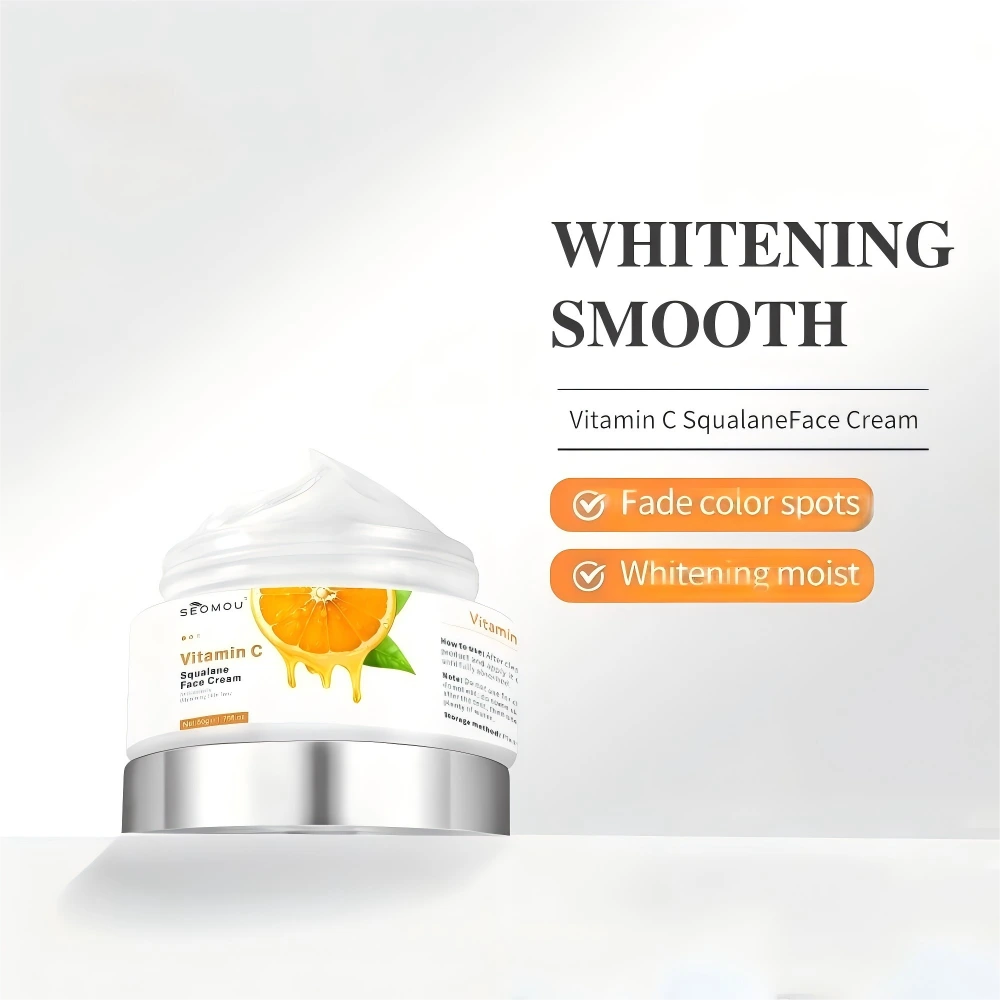
Launching or scaling a beauty brand requires more than just a great marketing strategy; it demands a flawless supply chain. For brands looking to maximize profitability without compromising on quality, partnering with a reliable cosmetics OEM manufacturer in China has become the gold standard.
With access to advanced R&D, a highly integrated supply chain for raw materials and packaging, and scalable production capacities, China remains the global hub for cosmetic contract manufacturing. However, navigating the landscape of suppliers requires careful vetting. Here is your comprehensive guide to selecting the perfect OEM partner for your skincare, hair care, or makeup line.
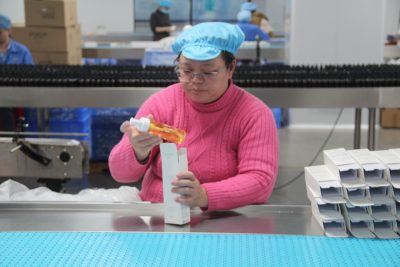
Why Source Your Beauty Products in China?
Working directly with a top-tier factory offers several competitive advantages for B2B brands and independent labels:
-
Cost-Effective Scaling: Benefit from economies of scale. Direct factory partnerships eliminate middlemen, allowing you to allocate more budget toward brand building and customer acquisition.
-
End-to-End Supply Chain: A mature cosmetics OEM manufacturer in China often provides a one-stop-shop experience. This includes access to cutting-edge active ingredients, diverse custom packaging solutions, and advanced printing techniques like UV DTF.
-
Rapid R&D and Prototyping: The best factories have dedicated laboratories capable of reverse-engineering benchmark products, formulating trending items (like organic skincare or specialized hair growth serums), and producing fast samples.
Key Factors When Selecting Your Manufacturing Partner
Not all factories operate at the same standard. To protect your brand’s reputation, evaluate potential partners on the following criteria:
1. International Quality Certifications
Never compromise on safety. Ensure the manufacturer holds current, verifiable certifications such as ISO 22716 and GMPC (Good Manufacturing Practice of Cosmetics). These guarantee that your products are produced in a clean, strictly controlled environment that meets global FDA and EU standards.
2. OEM vs. ODM Capabilities
Understand your needs. If you have your own formula and just need production, you need OEM (Original Equipment Manufacturing). If you want the factory to design the formula, packaging, and product from scratch based on your concept, you need ODM (Original Design Manufacturing). Ensure the factory excels in the specific service you require.
3. Minimum Order Quantity (MOQ) Flexibility
High-volume production is great for established brands, but if you are testing a new market, look for a partner that offers flexible or tiered MOQs. This allows you to launch new product lines with lower inventory risk.
4. Transparent Communication and Timelines
A reliable B2B partner should provide clear communication regarding sampling times, mass production lead times, and rigorous Quality Assurance (QA) testing protocols.
The Standard Cosmetic OEM Process
When you partner with a professional factory, the workflow should be seamless:
-
Consultation & Requirement Gathering: Discussing target demographics, product textures, active ingredients, and packaging.
-
Formulation & Sampling: The lab creates a prototype for your approval.
-
Packaging Selection & Design: Finalizing bottles, jars, tubes, and label designs.
-
Mass Production & QA: Manufacturing the product under strict quality control.
-
Delivery & Logistics: Preparing the goods for global shipping.
Frequently Asked Questions (FAQ)
Q1: What is the difference between a cosmetics OEM and ODM manufacturer in China? An OEM (Original Equipment Manufacturer) produces cosmetics based on your exact formula and specifications. An ODM (Original Design Manufacturer) provides pre-formulated, ready-to-market products that you can customize and brand as your own (often called private labeling).
Q2: What is the typical lead time for cosmetic OEM production? Generally, sampling takes about 7 to 14 days. Once the sample and packaging are approved, mass production typically takes between 25 to 40 days, depending on order volume and packaging complexity.
Q3: How can I verify a manufacturer’s certifications? A reputable cosmetics OEM manufacturer in China will readily provide copies of their GMPC, ISO, and other relevant certificates upon request. You can also ask for detailed factory audit reports or arrange for a third-party inspection before mass production begins.
Q4: Do manufacturers assist with custom packaging? Yes, leading OEM factories have deep networks within the packaging industry and can help source or custom-mold bottles, caps, and boxes to ensure your brand stands out on the shelf.
Ready to Bring Your Cosmetic Brand to Life?
Choosing the right manufacturing partner is the most crucial decision you will make for your beauty business. Whether you are looking to formulate a breakthrough skincare line or scale your existing hair care products, our state-of-the-art facilities and dedicated R&D team are here to support your growth.
Stop compromising on quality and start scaling with a trusted partner.
[Submit an Inquiry Today]
WhatsApp: +86 134 8026 8601