
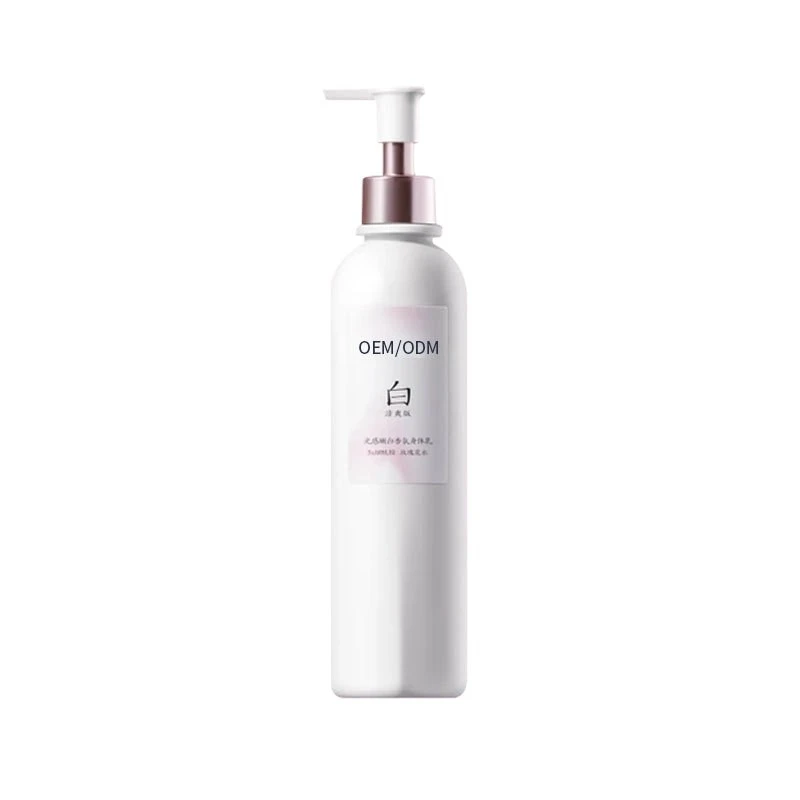
Guangzhou is globally recognized as the “Cosmetic Capital of China.” With thousands of manufacturers concentrated in districts like Baiyun and Huadu, it offers unparalleled supply chain advantages for skincare brands looking for OEM/ODM services. However, the sheer density of the market means that quality varies wildly.
These five red flags show up in almost every bad sourcing experience, and all of them are visible before you commit money if you know where to look. For the full vetting checklist, including documentation and audit requirements, see our skincare product manufacturer guide.
Sourcing from a Guangzhou skincare products factory can either be the best move for your brand’s ROI or a fast track to a PR nightmare. To help you navigate this complex landscape, we’ve identified the top five red flags you must watch out for to ensure your product meets international standards and your brand reputation remains intact.
1. Absence of International Standard Certifications (GMPC and ISO 22716)
In the skincare industry, safety is non-negotiable. The first and most glaring red flag is a manufacturer that cannot provide up-to-date certification.
Why This Matters
For skincare products entering markets like the USA or the EU, compliance is a legal requirement. A reputable factory should at least hold:
-
GMPC (Good Manufacturing Practice Cosmetics): Specifically for the US market.
-
ISO 22716: The international standard for the cosmetics industry.
The Red Flag
If a factory claims they are “working on it” or provides a low-resolution scan of a certificate that expired two years ago, proceed with extreme caution. Without these certifications, you have no guarantee regarding the hygiene of the production line, the purity of the raw materials, or the stability of the final formula.
Pro Tip: Always cross-reference the certificate number on the official issuing body’s website. Scammers in the industry have been known to “borrow” certificates from neighboring facilities.
2. Unrealistic Pricing and “Too Good to Be True” Quotes
We all want to maximize margins, but in skincare manufacturing, you get exactly what you pay for. Guangzhou is competitive, but the cost of high-quality active ingredients (like Retinol, Niacinamide, or Hyaluronic Acid) has a global floor price.
The Red Flag
If a factory provides a quote that is 30-50% lower than other reputable Guangzhou manufacturers, they are likely cutting corners in one of three areas:
-
Ingredient Purity: Using “industrial grade” instead of “cosmetic grade” raw materials.
-
Concentration: Claiming a 5% Vitamin C serum that actually only contains 0.5%.
-
Stability Testing: Skipping the 3-6 month stability tests required to ensure the product doesn’t separate or grow mold on a shelf.
Low-cost sourcing often results in high-cost recalls. If the price doesn’t align with the ingredient list, it’s a major warning sign.
3. Lack of a Dedicated R&D Laboratory and On-Site Chemists
Many “factories” in Guangzhou are actually just assembly workshops or trading companies posing as manufacturers.
The Difference Between OEM and ODM
-
OEM (Original Equipment Manufacturer): They make your formula.
-
ODM (Original Design Manufacturer): They create the formula for you.
The Red Flag
If a factory cannot show you a dedicated R&D lab or introduce you to their lead chemist, they are likely outsourcing their formulations. This is a red flag because:
-
Formula Ownership: You may not actually own the intellectual property of your product.
-
Troubleshooting: If a batch goes wrong, they won’t have the technical expertise to fix the pH balance or emulsion stability.
-
Innovation: You will be stuck with “off-the-shelf” formulas that dozens of other brands are already selling.
A high-quality Guangzhou skincare products factory should be proud to show off its laboratory and its history of formulation patents.
4. Poor Communication and the “Yes-Man” Syndrome
In B2B manufacturing, clear communication is the backbone of a successful partnership.
The Red Flag
Beware of the “Yes-Man” culture. If you ask for a complex, 10-step skincare routine with specific rare botanical extracts and a 15-day lead time, and the salesperson says “No problem!” immediately, be worried.
Manufacturing takes time. Ingredients need to be sourced, packaging needs to be stress-tested, and production schedules are often booked weeks in advance. A reliable partner will:
-
Challenge unrealistic timelines.
-
Suggest alternatives if an ingredient is currently out of stock or unstable.
-
Provide detailed technical datasheets (MSDS) upon request.
If the communication feels vague, or if they avoid answering specific technical questions about the production process, they are likely prioritizing the sale over the quality of the output.
5. Refusal of Third-Party Audits or On-Site Inspections
Transparency is the hallmark of a world-class manufacturer.
The Red Flag
If a factory makes excuses to prevent you (or a third-party inspection firm like SGS, Intertek, or QIMA) from visiting the facility, they are hiding something. Common excuses include “internal renovations,” “confidentiality agreements with other clients,” or “COVID-19 restrictions” (which are largely outdated).
What they might be hiding:
-
Sub-par working conditions.
-
Using a different, smaller facility for your production than the one shown in their marketing photos.
-
Lack of automated machinery, leading to inconsistent manual filling.
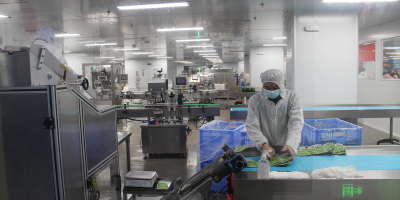
Any legitimate B2B skincare manufacturer in Guangdong will welcome a professional audit. It validates their capability and builds long-term trust.
Essential Checklist for Vetting a Guangzhou Skincare Factory
Before you sign a contract or send a deposit, ensure you have completed the following steps:
| Step | Action Item | Why it’s Critical |
| 1 | Request Business License | Verify they are a registered manufacturer, not a middleman. |
| 2 | Sample Testing | Test the sample in an independent lab for heavy metals and bacteria. |
| 3 | Check Export History | Ask for redacted Bills of Lading (B/L) to see if they ship to your country. |
| 4 | Ingredient Disclosure | Demand a full INCI (International Nomenclature Cosmetic Ingredient) list. |
| 5 | Packaging Compatibility | Ensure they test your formula with your specific packaging to avoid leaks. |
Why Guangzhou Remains the Best Choice (Despite the Risks)
While the red flags above are serious, don’t let them deter you from the Guangzhou market entirely. When you find a partner that passes these tests, the benefits are immense:
-
Speed to Market: Guangzhou’s infrastructure allows for rapid prototyping.
-
Packaging Variety: You are minutes away from the world’s largest cosmetic packaging markets (like Xingfa Plaza).
-
Cost Efficiency: Scaled production in this region is still the most cost-effective globally.
Conclusion
Sourcing skincare is a high-stakes game. By keeping a sharp eye out for these five red flags—lack of certification, suspicious pricing, absent R&D, poor communication, and a lack of transparency—you can filter out the “cowboy” operators and find a professional partner that will help your brand thrive.
Looking for a reliable manufacturing partner in China? If you are ready to scale your skincare brand with a factory that prioritizes quality and B2B transparency, Guangzhou Shampoo Factory is here to support your production needs. Reach out to our technical sales team today for a professional consultation, sample testing, and a comprehensive quote.
[Inquiry Now for Wholesale Opportunities] 💬 Discuss Your Project Instantly on WhatsApp: +86 134 8026 8601