
The global clean beauty market is undergoing a structural shift. No longer a niche subset of the cosmetic industry, plant-based and cruelty-free formulations have become the baseline expectation for modern consumers. For beauty brand owners, multi-brand retailers, and e-commerce entrepreneurs, capturing this market requires more than just marketing—it demands a robust, transparent, and highly capable supply chain.
Partnering with a specialized oem vegan skin care manufacturer is the most efficient asset-light strategy to bring high-performance, compliant, and scalable products to market. However, navigating the complexities of custom formulation, ingredient certification, and global compliance requires a deep understanding of what a true OEM partner brings to the table.
Understanding OEM vs. ODM in Vegan Skincare Manufacturing
Before diving into supply chain selection, it is critical to distinguish between manufacturing models to see which aligns best with your brand’s R&D capabilities.
-
OEM (Original Equipment Manufacturer): Under this model, the manufacturer produces products based entirely on your brand’s specific formulas, technical specifications, and packaging designs. If your brand possesses proprietary formulations or unique active ingredient profiles, an OEM approach ensures complete intellectual property control.
-
ODM (Original Design Manufacturer): Often referred to as private label, the manufacturer provides pre-developed, stability-tested, and fully formed formulations from their own library. Your brand simply selects the base, customizes the scent or star active, and applies your packaging.
For brands looking to establish a distinct competitive moat in the clean beauty space, utilizing OEM vegan skin care manufacturer services allows for bespoke product textures, targeted efficacy, and customized ingredient stories that differentiate your line from off-the-shelf private label solutions.
4 Critical Advantages of a Specialized OEM Vegan Skincare Manufacturer
Choosing a factory that specializes specifically in vegan and clean formulations offers distinct technical advantages over general cosmetic mass-producers.
1. Rigorous Raw Material Traceability
A true vegan skincare product cannot contain any animal-derived ingredients or by-products, including common cosmetic staples like beeswax, carmine, collagen, gelatin, lanolin, or silk powder. A dedicated vegan manufacturer maintains strict supply chain separation. Every single raw material is accompanied by a comprehensive Certificate of Analysis (CoA) and cross-checked to guarantee no animal exposure or animal testing occurred at any stage of raw material extraction.
2. Advanced Custom Formulation & Cross-Contamination Control
One of the greatest challenges in manufacturing vegan skincare is replicating the sensory performance of traditional ingredients using 100% plant-based alternatives. For instance, replacing synthetic silicones or animal fats with plant-derived squalane, jojoba esters, or botanical seed oils requires advanced emulsification technology to ensure stability and skin absorption.
Furthermore, specialized factories implement strict cleaning protocols (Clean-In-Place systems) to prevent cross-contamination if they run non-vegan batches on separate lines, protecting your brand from potential recall risks or consumer backlash.
3. Turnkey Regulatory and Compliance Support
Exporting skincare globally requires adherence to rigid regulatory frameworks. A premium OEM partner operates out of a GMP certified cosmetics factory (ISO 22716 / GMPC) and provides complete technical documentation to streamline your registration processes.
Key Compliance Deliverables Your Manufacturer Should Provide:
Material Safety Data Sheets (MSDS)
Stability and Compatibility Testing Reports (freeze-thaw and accelerated heat testing)
Microbiological Testing Certificates
Heavy Metal and Safety Assessment Documentation
4. Scalability and Cost Efficiency through Automation
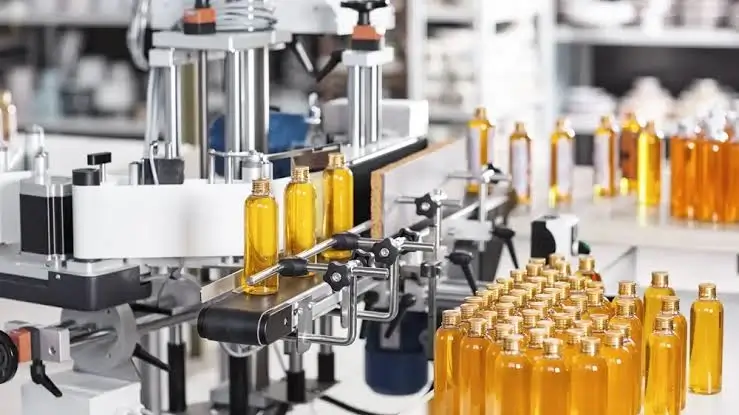
High-quality OEM manufacturers balance clean ingredient profiles with industrial scale. By investing in automated emulsification tanks, high-speed filling lines, and automated labeling machinery, they drive down per-unit manufacturing costs while preserving batch-to-batch consistency. This allows your brand to maintain healthy gross margins even when sourcing premium, ethically harvested botanical actives.
Core Product Capabilities Matrix
When launching or expanding your product portfolio, evaluate your manufacturing partner’s specific capabilities across high-growth product categories.
| Product Category | Key Active Profiles | Target Textures & Formats |
| Advanced Anti-Aging | Bakuchiol (vegan retinol alternative), Plant Peptides, Hyaluronic Acid (microbial fermentation) | Lightweight Milks, Biphasic Serums, Rich Night Creams |
| Barrier Repair & Hydration | Phytoceramides, Centella Asiatica (Cica), Squalane, Oat Beta-Glucan | Gel-Creams, Barrier Balms, Soothing Lotions |
| Brightening & Radiance | Vitamin C (Ascorbyl Glucoside), Niacinamide, Licorice Root Extract, Alpha Arbutin | Water-Light Ampoules, Target Spot Treatments |
| Clean Cleansers & Toners | Amino Acid Surfactants, PHA/AHA Fruit Acids, Green Tea Hydrosols | Non-Stripping Foams, Cleansing Oils, Milky Toners |
The OEM Custom Manufacturing Process Blueprint
Bringing a custom vegan skincare product to life follows a structured, multi-phase technical pipeline. Understanding these phases helps brand owners manage product launch timelines effectively.
Phase 1: Briefing & Conceptualization
The brand provides a detailed product brief specifying the target market, desired texture, hero active ingredients, packaging constraints, and price-per-piece targets.
Phase 2: R&D and Sample Iteration
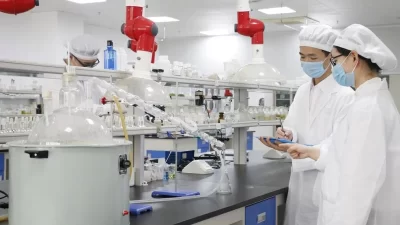
The manufacturer’s laboratory team develops custom prototype samples. This phase involves testing the synergy between botanical extracts and optimizing natural preservative systems to ensure the product remains safe and shelf-stable without parabens or phenoxyethanol. Samples are sent to the brand for sensory evaluation (skin feel, absorption speed, scent).
Phase 3: Stability & Compatibility Testing
Once a formula is approved, it undergoes rigorous testing over 4 to 12 weeks. The formulation is placed in final packaging and exposed to varying temperatures to ensure no separation, discoloration, or packaging degradation occurs.
Phase 4: Mass Production & Quality Control
Raw materials are bulk-sourced and compounded in industrialized vacuum emulsification mixers. The product moves to automated filling lines within cleanrooms operating under strict airborne particulate controls. Every batch undergoes final microbiological testing before being cleared for boxing and shipment.
Technical Benchmarks for Selecting Your Manufacturing Partner
To protect your capital and ensure a smooth supply chain operation, verify that your prospective OEM manufacturer meets these operational benchmarks:
-
Minimum Order Quantities (MOQs): Custom OEM formulations typically require higher MOQs than private label because production lines need minimum volumes to run efficiently. Look for factories offering flexible scaling, such as 3,000 to 5,000 units per SKU for custom formulas.
-
Preservative Expertise: Vegan formulations exclude traditional chemical preservatives. Ensure the factory’s R&D team is highly proficient in natural, clean-compliant preservation systems (such as organic acids and plant-derived glycols) that pass USP <51> Antimicrobial Preservative Effectiveness Tests.
-
Packaging Compatibility: Clean formulations can react with low-grade plastics. Your OEM partner should provide guidance on glass, aluminum, or PCR (Post-Consumer Recycled) packaging compatibility to protect formula integrity and align with your brand’s sustainability ethos.
Optimize Your Supply Chain Architecture
Launching a successful clean beauty line requires a synergy of market-driven branding and flawless scientific execution. By moving production to a dedicated OEM vegan skin care manufacturer, your brand eliminates the overhead of factory management while gaining access to world-class laboratory talent, industrialized scaling, and certified regulatory compliance.
Don’t let production bottlenecks or formulation instability stall your market entry. Partner with a manufacturing facility designed for the future of clean cosmetics.