
The global clean beauty landscape is experiencing a massive paradigm shift. Consumers are no longer satisfied with vague “natural” claims; they demand complete ingredient transparency, traceable sourcing, and clinical proof of efficacy. For beauty entrepreneurs and established brands looking to launch or scale a clean-label line, finding a manufacturing partner that balances strict organic compliance with cost-effective, high-volume production is the ultimate challenge.
This is exactly why global brands are shifting their eyes toward the East. Partnering with a specialized organic skincare oem factory china has become a premier strategic move for modern beauty brands.
Far from just a low-cost hub, China’s cosmetics manufacturing sector has evolved into a powerhouse of biotechnology and vertically integrated supply chains. This comprehensive guide will walk you through why China dominates this space, the vital certifications you need to look for, and a strategic framework to select the ideal manufacturing partner.
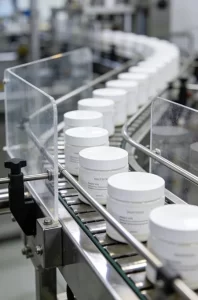
When assessing a facility, look for advanced automation like the conveyor systems shown above. High-tier factories utilize automated filling to maintain airtight sterility, which is absolutely critical for organic formulations that contain fewer synthetic preservatives.
Why Partner with an Organic Skincare OEM Factory in China?
If you haven’t looked at China’s beauty supply chain recently, the scale of innovation might surprise you. Industrial clusters in regions like Guangdong (specifically Guangzhou) and Shanghai have concentrated raw material suppliers, packaging innovators, and advanced laboratories into highly integrated networks.
1. The Complete Supply Chain Ecosystem
When developing an organic product, your biggest bottleneck is often sourcing. A premium Chinese OEM (Original Equipment Manufacturer) does not just mix ingredients; they manage a dense local ecosystem. Within a short distance from the primary facility, you will find eco-friendly packaging manufacturers, specialized printing hubs, and certified organic ingredient distributors. This geographic clustering compresses lead times and minimizes logistics friction, allowing you to move from concept to finished product significantly faster than Western counterparts.
2. Advanced R&D and Biotech Integration
The clean beauty wave has entered a new phase: high-performance minimalism. Consumers want fewer products on their shelves, but they expect those products to deliver flawless results.
Leading Chinese factories are breaking the pattern of generic formulations by combining traditional botanical ingredients with advanced biotechnology. By using methods like bio-fermentation, they can stabilize rare plant extracts and engineer eco-friendly actives that preserve skin barrier health. Working with an agile OEM factory grants you direct access to these proprietary, cutting-edge formulations.
The Compliance Checklist: Certifications You Cannot Ignore
When importing cosmetics into markets like North America, the European Union, or Australia, regulatory compliance is non-negotiable. Organic products face even higher scrutiny. If an OEM factory cannot provide verifiable paperwork on day one, walk away.
Below are the baseline international standards and clean-beauty certifications you must verify during your screening process.
| Certification | What It Proves | Why It Matters for Organic Skincare |
| ISO 22716 | International Good Manufacturing Practices (GMP) for cosmetics. | Ensures structural safety, hygiene, and full batch traceability across the entire production line. |
| GMPC (US/EU) | Guidelines for Good Manufacturing Practice of Cosmetic Products. | Mandatory for legal distribution in highly regulated Western markets. |
| COSMOS / ECOCERT | Global standards for organic and natural cosmetics. | Verifies that raw materials are sustainably harvested without synthetic pesticides or chemical contamination. |
| FDA Registration | Facility registration with the US Food and Drug Administration. | Confirms the factory adheres to cross-contamination protocols and safe formulation limits. |
Pro Tip: Do not just look at the logos on a factory’s website. Request the actual certificate copies, check the expiration dates, and verify that the registration name perfectly matches the legal business license of the entity manufacturing your goods.
2026 Clean Beauty Trends Your OEM Partner Must Support
A world-class manufacturing partner acts as a trend co-pilot, helping you formulate products that align with real-time shifts in consumer psychology. If you want your line to succeed, ensure your chosen organic skincare oem factory china is actively innovating in these spaces:
High-Performance Minimalism & “Skinification”
The trend of applying advanced facial skincare logic to other categories—such as high-end scalp care and active base makeup—continues to explode. Formulations must be highly concentrated yet gentle. Look for factories that excel in creating multi-functional formulas, like antioxidant-rich face creams that double as intensive skin barrier restorers.
Sustainable and Biodegradable Packaging
An organic formula loses its market appeal if it is housed in virgin, non-recyclable plastic. Ask your OEM partner about their direct connections to sustainable packaging suppliers. You want access to post-consumer recycled (PCR) plastics, biodegradable sugarcane tubes, and refillable glass systems that present beautifully on a shelf while minimizing environmental impact.
Texture-Driven Efficacy
Data reveals that over 75% of global beauty consumers directly link the texture of a product to its perceived effectiveness. The tactile experience of an organic serum—how it absorbs, its initial slip, and its dry-down finish—requires sophisticated formulation chemistry. Because organic lines omit synthetic texturizers like silicones, your OEM factory must be highly skilled in using natural alternatives like plant-derived lipids and natural seed oils (e.g., jojoba, argan, squalane) to achieve a luxurious feel.
A Strategic Framework for Selecting Your Chinese Factory Partner
Navigating hundreds of potential suppliers requires a structured approach. Use this four-step sequence to filter out middle-men and identify a true, tier-one manufacturing partner.
Step 1: Initial Vetting and Sourcing Credentials
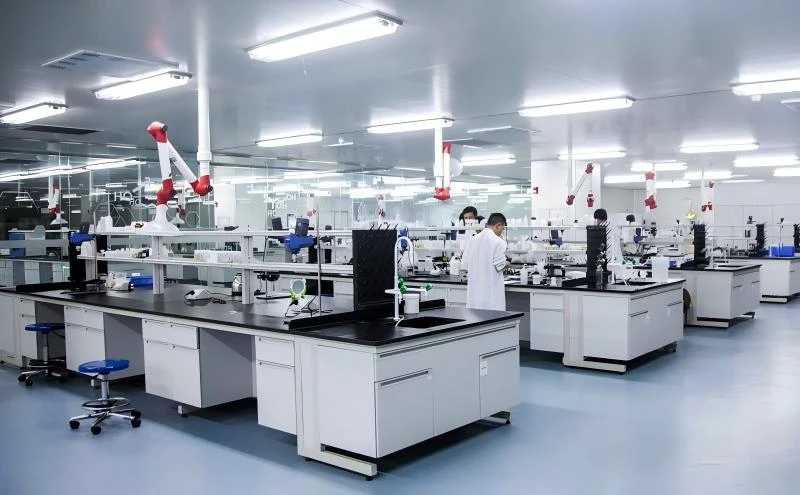
Begin by verifying whether you are speaking directly to a factory or a trading company. While trading companies have their place, an organic line requires granular control over the manufacturing floor. Look for entities with dedicated cleanroom workshops (Class 100,000 or higher) and in-house testing labs capable of handling stability, safety, and microbiological testing.
Step 2: Request Raw Material Traceability (COA & MSDS)
Ask the factory for a sample Certificate of Analysis (COA) and a Material Safety Data Sheet (MSDS) for their primary organic ingredients. A reputable organic manufacturer should be able to cleanly trace their botanical extracts back to the source farm, ensuring the ingredients are free from heavy metals, pesticides, and adulteration.
Step 3: Evaluate Minimum Order Quantities (MOQs) and Scalability
For new or mid-sized brands, managing inventory risk is critical. Many major Chinese manufacturers have adapted to global market demands by offering flexible, lower MOQs for custom formulations—often starting around 3,000 to 5,000 pieces per stock-keeping unit (SKU). Ensure the factory’s capacity can comfortably scale up as your order volumes grow, without compromising on lead times.
Step 4: Strict Intellectual Property (IP) and Contract Alignment
Before sharing any unique formulation concepts or custom ingredient ideas, sign a comprehensive Non-Disclosure, Non-Use, and Non-Circumvention (NNN) agreement tailored to Chinese law. A professional OEM provider will welcome this step, as it establishes a transparent, legally binding foundation for a long-term business relationship.
Conclusion: Turning Your Vision into a Global Brand
Launching a clean beauty line is an incredible journey, but your brand’s reputation rests entirely on the integrity of your formulations and the reliability of your supply chain.
By partnering with an advanced organic skincare oem factory china, you gain a massive competitive advantage. You secure the manufacturing infrastructure of a global leader, the cost efficiencies of a fully integrated industrial ecosystem, and the cutting-edge formulation capabilities required to win the trust of modern, ingredient-conscious consumers. Take your time during the vetting process, insist on flawless certification records, and choose a partner who values quality and sustainability as deeply as you do.