
The global beauty market is growing at an unprecedented rate, making it an incredibly lucrative space for new indie brands and established companies looking to expand. However, your brand’s reputation, product quality, and profit margins ultimately depend on one foundational decision: partnering with the right private label cosmetics manufacturer.
Your manufacturing partner is more than just a vendor—they are the backbone of your supply chain and the silent curator of your formulas. Choosing the wrong partner can lead to scaling bottlenecks, compliance failures, or erratic product consistency.
This comprehensive guide breaks down how to evaluate a private label cosmetics manufacturer and successfully bring your product line to market.
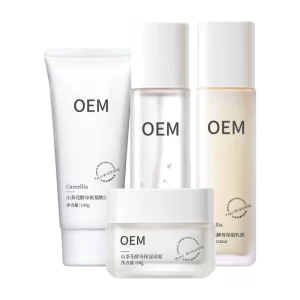
What is a Private Label Cosmetics Manufacturer?
A private label cosmetics manufacturer is a company that produces pre-formulated makeup, skincare, or haircare products that you can rebrand with your own logo, packaging, and design elements.
Unlike contract manufacturing (where you develop a custom formula from scratch), private labeling allows you to select from a catalog of existing, clinically tested, and market-proven formulations. This drastically reduces your upfront research and development (R&D) costs and accelerates your time-to-market.
Private Label (ODM) vs. Custom Formulation (OEM)
Understanding this distinction prevents costly misalignment during your initial sourcing phase:
-
Private Label / ODM (Original Design Manufacturing): You choose an existing formulation from the manufacturer’s library. You customize the packaging, labeling, and sometimes scents or colors. This route is ideal for quick launches and lower initial capital.
-
Custom Formulation / OEM (Original Equipment Manufacturing): You work with chemists to build a unique formulation from scratch. This grants complete exclusivity but demands higher costs, extensive stability testing, and longer timelines.
5 Critical Factors to Evaluate in a Manufacturing Partner
When vetting potential manufacturing partners, do not look at pricing alone. An exceptionally low price often signals compromises in ingredient quality or regulatory compliance. Focus on these five pillars instead:
1. Minimum Order Quantities (MOQs)
MOQs dictate how much capital you must commit to your first production run.
-
Stock Private Label: Often features low MOQs (e.g., 500 to 1,000 units per stock stock-keeping unit, or SKU), which is perfect for testing market traction.
-
Custom Adjustments: If you want to modify a stock formula (such as adding a specific trending botanical extract), the manufacturer will likely raise the MOQ to 3,000 or 5,000 units to cover setup and raw material overhead.
2. Regulatory Compliance and Certifications
The beauty industry is heavily regulated. Selling non-compliant products can lead to lawsuits, product seizures, or permanent brand damage. Ensure your manufacturer holds the following credentials:
-
GMPC / ISO 22716: This is the gold standard for Good Manufacturing Practices in the cosmetics industry, ensuring strict hygiene, tracking, and quality control.
-
FDA Registration & Regulation: The facility must comply with the Modernization of Cosmetics Regulation Act (MoCRA), meaning they are registered with the FDA and follow updated safety reporting protocols.
3. Formulation Quality and Clean Beauty Standards
Modern consumers demand ingredient transparency. If your brand ethos centers on “clean beauty,” verify that your private label cosmetics manufacturer can provide documentation certifying that formulas are:
-
Sulfate-free, paraben-free, and phthalate-free.
-
Cruelty-free (certified by Leaping Bunny or PETA) and 100% vegan.
-
Backed by Certificates of Analysis (CoA) and Material Safety Data Sheets (MSDS).
4. Turnaround Times and Scalability
Ask explicit questions about their production lead times. A standard initial private label run typically takes 4 to 8 weeks, while reorders might take 3 to 4 weeks. Crucially, ensure the facility has the capacity to scale with you. If an influencer campaign goes viral and you suddenly need 20,000 units instead of 1,000, can your manufacturer keep up without delaying shipments for months?
5. Turnkey Solutions vs. Sourced Components
Some manufacturers offer turnkey (full-service) solutions, meaning they handle formula compounding, filling, secondary packaging sourcing, labeling, and boxing. Others only provide the bulk liquid/powder or require you to ship your own packaging components to their facility. Full-service operations drastically simplify your logistics and reduce the risk of components not fitting filling machinery.
The Step-by-Step Launch Process
Working efficiently with a manufacturer requires a structured approach to keep development on schedule and within budget.
Never buy blind. Order stock samples of the formulations you want to sell. Test them internally for texture, skin feel, scent payoff, wear time, and oxidation.
Select and test the packaging (bottles, jars, tubes) with the formula to ensure there are no compatibility issues—such as specific oils eroding certain plastics over time.
Provide your vector artwork on the manufacturer’s exact packaging die-lines. Ensure all regulatory elements (net weight, ingredient lists using INCI names, manufacturer address) are present.
The factory schedules mass compounding, micro-testing, filling, labeling, and final quality control checks before palletizing and shipping your finished inventory.
Maximizing Your ROI
Choosing a private label cosmetics manufacturer is an investment in your brand’s foundation. By prioritizing compliance, testing rigorous samples, and clearly defining your target market’s ingredient expectations upfront, you position your beauty brand for a seamless, highly profitable launch.