
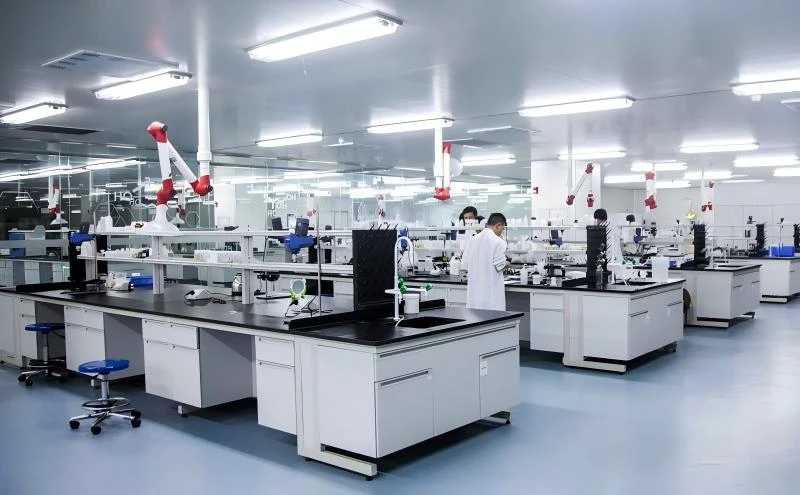
The global beauty market is growing rapidly, with projections indicating the cosmetics OEM/ODM sector will surpass $41 billion by 2032. For e-commerce entrepreneurs, indie brand owners, and established corporate labels, finding a manufacturing partner that balances cost, speed, and quality is the ultimate competitive advantage.
When it comes to beauty manufacturing infrastructure, one global hub outshines the rest: Guangzhou, China.
Home to massive supply chain ecosystems like the multi-billion-dollar “Baiyun Beauty Bay” industrial cluster, Guangzhou is the undisputed powerhouse of contract cosmetics manufacturing. Whether you want to launch a vegan skincare line, a boutique haircare brand, or custom hydrogel eye patches, partnering with guangzhou beauty oem factories can completely transform your profit margins.
However, navigating this landscape requires strategic insight. This guide breaks down everything you need to know about sourcing from Guangzhou, ensuring compliance, and finding the perfect manufacturing partner to scale your brand.
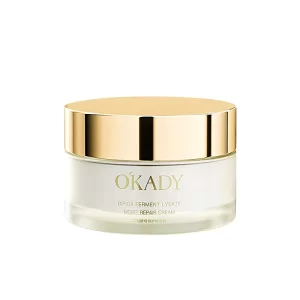
Why Guangzhou is the Epicenter of Global Beauty Sourcing
Guangzhou, the capital of Guangdong province, houses thousands of licensed cosmetics manufacturing plants. The concentration of beauty industry expertise here is unmatched anywhere else in the world.
There are three primary reasons why global beauty brands concentrate their sourcing operations in this region:
-
Unparalleled Component Ecosystem: In Guangzhou, a factory rarely has to wait days for raw ingredients or custom packaging. Within districts like Baiyun and Huadu, raw material suppliers, formulation laboratories, custom glass/plastic molders, and printing hubs exist side-by-side. This geographical compression cuts lead times significantly.
-
Advanced R&D Capabilities: Top-tier manufacturers have moved far beyond cheap replication. Today, factories feature state-of-the-art laboratory testing facilities, thousands of stable base formulas, and in-house chemists specializing in trending ingredients like Niacinamide, Peptides, and botanical extracts.
-
Massive Cost Efficiencies: Industrial automation levels in top factories regularly exceed 95 percent. High-speed ultra-sterile filling lines and automated assembly reduce manual labor costs, allowing factories to pass the savings onto global brands.
OEM vs. ODM vs. OBM: Which Model Fits Your Brand?
Before contacting guangzhou beauty oem factories, you must define how much control you require over product development. Manufacturers generally operate under three distinct service models:
OEM (Original Equipment Manufacturer)
Under a pure OEM model, the factory is strictly responsible for manufacturing products using your exact formulas and specifications.
-
Best for: Established beauty brands that already have a proprietary formula developed by independent cosmetic chemists and simply require mass production capacity.
ODM (Original Design Manufacturer)
ODM is a full-service, turnkey solution. The manufacturer handles the formulation R&D, structural package design, sourcing, manufacturing, and legal testing. You can select an existing baseline formula from their catalog, tweak the scent or key active ingredient, print your logo on the box, and bring it to market.
-
Best for: Solopreneurs, Amazon FBA sellers, and startup brands looking to launch high-quality product lines quickly with minimal upfront development friction.
OBM (Original Brand Manufacturer)
In this model, the factory creates the entire brand concept, packaging design, and product line, allowing you to buy the finished brand asset off the shelf to market it under exclusive distribution rights.
Key Product Categories in Guangzhou Manufacturing Centers
Guangzhou’s diverse industrial footprint means different factories specialize in distinct product categories. Because specialized machinery is required for different textures, a single factory rarely manufactures everything.
-
Skincare Hubs: Specializing in anti-aging serums, toners, creams, and custom face masks. These facilities rely heavily on cleanroom environments to maintain formula stability.
-
Haircare & Personal Care: Focused on clean beauty solutions, including sulfate-free shampoos, scalp treatments, and herbal hair dyes.
-
Color Cosmetics: Advanced setups optimized for pressed powders, high-pigment eyeshadow palettes, foundations, and lip products requiring specialized color-matching technology.
⚠️ Critical Sourcing Note
A factory built exclusively for liquids and creams cannot easily produce pressed powder palettes or makeup brushes. Beware of trading companies claiming a single factory can handle completely unrelated product categories under one roof. Always verify the factory’s primary equipment line.
Critical Compliance and Certifications for International Export
If you plan to sell your beauty products in highly regulated markets like North America, the European Union, or Australia, regulatory compliance is non-negotiable. Passing custom authorities and platform requirements requires ironclad documentation from your partner factory.
When vetting guangzhou beauty oem factories, ensure they hold the following foundational certifications:
-
ISO 22716:2007: The international gold standard for Good Manufacturing Practices (GMP) specifically tailored to the cosmetics industry. It governs the production, control, storage, and shipment of cosmetic products.
-
GMPC (US FDA & Council of Europe): Confirms the facility complies with strict sanitation, equipment maintenance, and raw material tracking protocols required by Western regulatory bodies.
-
MSDS (Material Safety Data Sheet): Essential for shipping and global logistics. It outlines the chemical composition, handling safety, and hazard level of the bulk liquid or paste.
-
Cruelty-Free & Vegan Options: Many modern consumers demand ethical supply chains. Ensure your factory can source documented, animal-testing-free ingredients that comply with international third-party certification rules.
The B2B Sourcing Checklist: MOQs and Costs
Understanding standard financial and operational metrics helps you negotiate confidently and protects your margins. The table below represents typical baselines across top-tier Guangzhou manufacturers:
| Product Category | Typical OEM/ODM MOQ | Average Lead Time (Initial Order) | Prerequisite Certifications |
| Facial Serums & Toners | 3,000 – 5,000 units | 25 – 35 Days | ISO 22716, GMPC, MSDS |
| Sheet Masks & Eye Patches | 10,000 – 20,000 units | 20 – 30 Days | GMPC, Micro-biological Testing |
| Sulfate-Free Shampoos | 5,000 units | 30 – 40 Days | ISO 22716, Ingredient Analysis |
| Lipsticks & Lip Glosses | 3,000 units per color | 35 – 45 Days | Heavy Metal Free Report, GMPC |
Step-by-Step Guide to Sourcing Safely from Guangzhou
Launching a product lines requires a structured approach to minimize risk, avoid communication breakdowns, and protect your intellectual property. Follow this proven B2B workflow:
Identify potential manufacturers via verified B2B directories or digital trade networks. Filter out pure trading companies by requesting active business licenses, GMPC certificates, and photos of their internal R&D cleanrooms.
Order baseline samples of your target formulation (e.g., a hyaluronic acid serum). Evaluate texture, absorption, scent, and color. Request specific adjustments from the factory chemists until the formulation perfectly matches your brand requirements.
Before committing to mass production, place the final formula inside your chosen custom packaging material (glass, PCR plastic, or aluminum). Perform temperature stability testing to ensure the formulation does not separate or degrade the container over time.
Draft a comprehensive manufacturing agreement. Clearly outline the acceptable Quality Acceptance Limits (AQL), specify delivery terms, define intellectual property ownership, and submit the standard 30 percent or 50 percent production deposit.
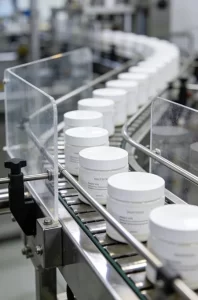
The factory initiates automated filling, sealing, and packaging. Hire an independent third-party inspection agency to conduct a random on-site audit prior to the final shipment to check fill weight accuracy, batch uniformity, and box print quality.
Overcoming Communication and Logistics Barriers
Fostering a highly collaborative relationship with your manufacturer bridges geographical gaps. While many leading Guangzhou factories employ dedicated English-speaking international trade teams, keeping instructions highly structured is essential.
Utilize precise technical sheets for packaging design dimensions, Pantone codes for color matching, and explicit text descriptions rather than vague creative phrases. Furthermore, establish real-time quality control checks through visual dashboards or video updates during key production phases.
By taking control of the vetting process, demanding rigorous compliance, and utilizing Guangzhou’s massive su