
The global beauty and personal care industry is moving faster than ever. To stay competitive, beauty brands, e-commerce retailers, and private label founders need high-quality formulations, flexible production scaling, and rapid time-to-market.
When it comes to comprehensive supply chain efficiency, partnering with an experienced Chinese cosmetics manufacturer has become a primary growth strategy for international beauty brands. China has evolved from a high-volume assembly hub into a global leader in cosmetics research and development, innovative packaging, and automated contract manufacturing.
Whether you are launching a new skincare line, expanding your color cosmetics portfolio, or seeking an agile OEM/ODM partner, this guide explores everything you need to know about sourcing, evaluating, and collaborating with a cosmetics factory in China.
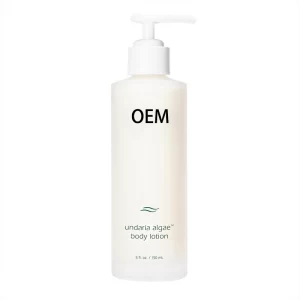
Why Partner with a Chinese Cosmetics Manufacturer?
China’s beauty manufacturing ecosystem offers a combination of scale, technological sophistication, and cost efficiency that is difficult to replicate elsewhere.
       ┌──────────────────────────────────────────────────────────┐
       │   Key Advantages of Chinese Cosmetics Manufacturing     │
       └────────────────────────────┬─────────────────────────────┘
                                    │
    ┌───────────────────┬───────────┴───────────┬──────────────────┐
    ▼                   ▼                       ▼                  ▼
End-to-End         Advanced R&D            Agile MOQs         Global Export
Supply Chains      & Formulations         & Fast Turnaround    Compliance
1. Complete Supply Chain Integration
One of the biggest advantages of working with a manufacturer in China is proximity to the entire beauty supply chain. Within major manufacturing clusters, factories operate alongside raw material suppliers, packaging producers, toolmakers, and testing labs. This geographical concentration reduces lead times, lowers transit costs, and streamlines your sourcing workflow.
2. Advanced R&D and Formulation Innovation
Modern Chinese cosmetics factories invest heavily in biotechnology, green extraction, and custom formula development. Many facilities employ team of in-house cosmetic chemists, dermatologists, and formulation engineers who can reverse-engineer benchmark products or develop proprietary formulas using trending active ingredients like hyaluronic acid, peptides, niacinamide, and botanical extracts.
3. Scalability and Cost Efficiency
From small-batch pilot runs to automated mass production running into millions of units per month, Chinese factories provide scalable infrastructure. Their established purchasing power for raw materials and packaging directly translates into better profit margins for your brand without sacrificing product efficacy or safety.
Understanding Manufacturing Models: OEM vs. ODM vs. Private Label
Before reaching out to a factory, it is crucial to determine which business model best aligns with your brand’s resources and timeline:
| Manufacturing Model | How It Works | Best Used For |
| Cosmetics OEM (Original Equipment Manufacturing) | The factory manufactures products using your exact formula and specifications. You own the IP. | Established brands with existing formulas looking for lower production costs. |
| Cosmetics ODM (Original Design Manufacturing) | The factory provides turnkey solutions, including formula design, testing, packaging, and production. | Brands wanting unique formulations without maintaining an internal R&D team. |
| Private Label | You choose from the factory’s pre-formulated, off-the-shelf library and add your branding. | Startup brands needing fast market testing and low initial investment. |
Quality Control & Global Regulatory Compliance
When importing cosmetics from China, regulatory compliance and quality assurance are non-negotiable. Reputable manufacturers operate under strict international standards to ensure seamless customs clearance in markets like North America, Europe, Australia, and the Middle East.
Key Takeaway: Always verify that your prospective factory holds current ISO 22716 and GMPC (Good Manufacturing Practice for Cosmetics) certifications before starting formula development.
                  ┌─────────────────────────────────────┐
                  │    Essential Quality Checkpoints    │
                  └──────────────────┬──────────────────┘
                                     │
           ┌─────────────────────────┼─────────────────────────┐
           ▼                         ▼                         ▼
   Facility Standard        Product Safety            Documentation
   • ISO 22716 Certified    • Heavy Metal Testing     • Full MSDS Reports
   • GMPC Compliant         • Microbe & Stability     • COA per Batch
   • Cleanroom Facilities   • Compatibility Tests     • INCI Ingredient Lists
Essential Certifications to Look For:
-
ISO 22716: International guideline for the Good Manufacturing Practices of cosmetics, focusing on production, control, storage, and shipment.
-
GMPC: Essential for compliance with FDA (US) and European cosmetic safety standards.
-
FDA Facility Registration: Crucial if you plan to sell skincare or personal care items in the United States under MoCRA (Modernization of Cosmetics Regulation Act) guidelines.
-
Cruelty-Free / Vegan Audit Capabilities: Ability to source animal-free ingredients and provide documentation for Leaping Bunny or PETA-friendly brand positioning.
Standard Quality Assurance Protocols
A reliable Chinese cosmetics manufacturer should execute a complete battery of pre-shipment tests:
-
Microbiological Testing: Verifies the absence of harmful bacteria and fungi.
-
Heavy Metal & Contaminant Screening: Ensures raw materials fall well below regulatory threshold limits.
-
Accelerated Stability Testing: Exposes products to varying temperature and humidity cycles over 3–6 months to confirm shelf life.
-
Packaging Compatibility Testing: Confirms that the active formula does not corrode, leach into, or react negatively with the primary container.
4 Steps to Successfully Vetting and Working with a Chinese Factory
Building a successful, long-term relationship with a cosmetics supplier requires a structured procurement approach:
Step 1: Initial Inquiry and Technical Briefing
Send a detailed product brief specifying your target product type, preferred active ingredients, texture preference, target price point, packaging requirements, and target markets. Clear documentation upfront eliminates communication friction.
Step 2: Sampling and Benchmark Validation
Never proceed to mass production without approving a physical sample.
-
Request 3 to 4 iterations of lab samples to test scent, absorption, viscosity, and skin feel.
-
Conduct real-world usage tests with your target demographic.
-
Perform compatibility checks by placing the lab sample inside your chosen packaging.
Step 3: Factory Audits (In-Person or Third-Party)
Verify the factory’s operational claims by inspecting their facilities:
-
On-site visit: Inspect the R&D center, automated filling lines, raw material warehouses, and cleanroom environments (Class 100,000 cleanrooms are industry standard).
-
Third-Party Inspection: If traveling is not feasible, hire accredited inspection agencies like SGS, TÜV Rheinland, or Intertek to perform an independent audit.
Step 4: Pilot Production Run
Before committing to high minimum order quantities (MOQ), negotiate a pilot production run (e.g., 1,000 to 3,000 units). A pilot run tests line efficiency, primary label alignment, carton durability, and overall quality consistency under mass-manufacturing conditions.
Emerging Trends in Chinese Cosmetics Manufacturing
Working with a forward-thinking factory gives your brand access to the latest product innovations sweeping the beauty market:
-
Clean & Sustainable Formulas: Growing demand for biodegradable ingredients, microplastic-free formulations, and waterless cosmetics (e.g., solid cleansing bars, powder-to-liquid formulas).
-
Fermentation & Biotech Actives: Advanced bio-fermentation processes that yield high-purity active ingredients for anti-aging and skin barrier repair.
-
Hybrid Skincare-Makeup: Color cosmetics infused with functional skincare benefits, such as serum foundations, tinted lip oils with peptide complexes, and SPF-infused primers.
Scale Your Beauty Business with the Right Manufacturing Partner
Choosing the right Chinese cosmetics manufacturer is one of the most critical decisions for your beauty brand’s growth trajectory. By evaluating factories based on their R&D expertise, ISO/GMPC compliance, supply chain transparency, and quality assurance processes, you build a resilient supply chain designed for long-term scalability.
Whether you are looking to formulate a breakthrough serum, re-engineer an existing product line for better margins, or launch a full-scale private label collection, the right manufacturing partner turns your vision into market-ready products.
Ready to Launch Your Custom Cosmetics Line?
Contact our OEM/ODM technical team today to request a custom formulation consultation, review our formula catalog, or order factory-direct samples for your brand.