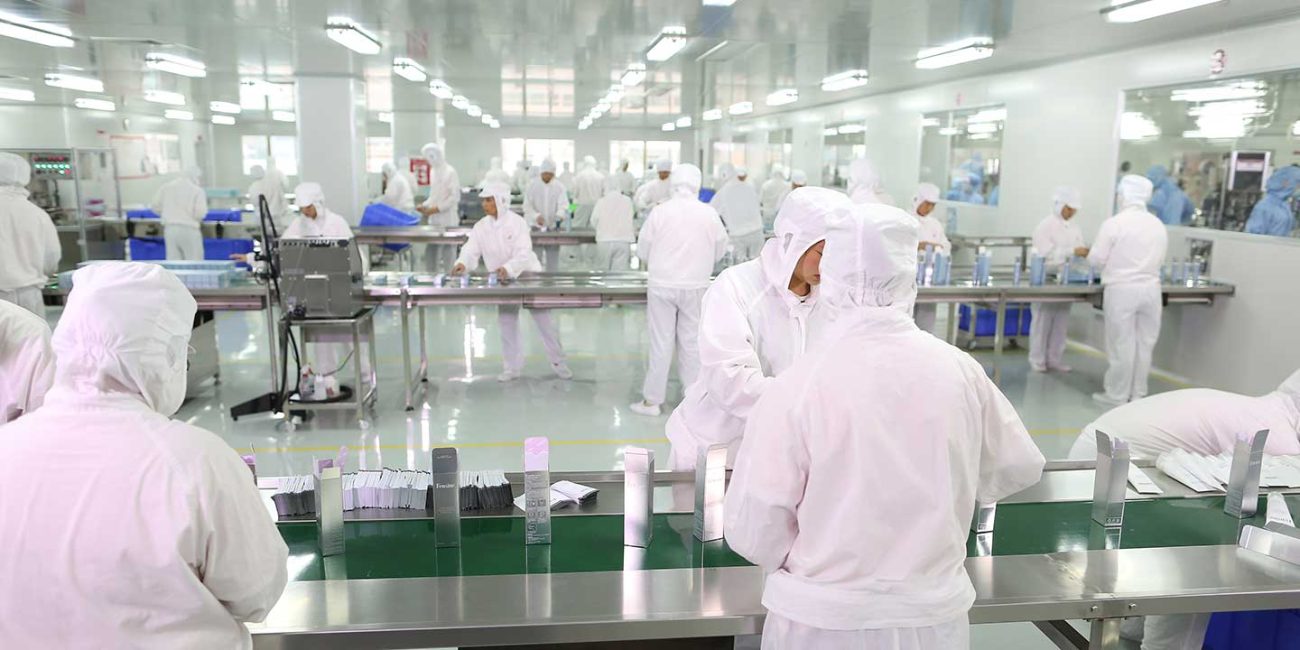
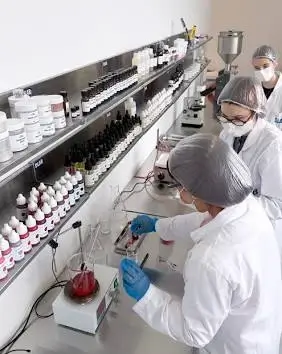
Sourcing from a skincare manufacturer China based operation gives beauty brands rare combinations of scale, formulation depth, and speed. Skincare is the largest and most fragmented beauty category, which means opportunity—but also noise. The brands that win pick a manufacturing partner on evidence: certifications, formulation capability, and quality systems, not just price. This guide explains how to source private label skincare that actually sells, and what to verify before you commit.
Why Source Skincare from a China Manufacturer
China’s cosmetics manufacturing ecosystem is mature, vertically integrated, and fast. A capable skincare manufacturer China based supplier can take you from brief to bulk in weeks, support low minimum order quantities for testing, and scale when demand arrives. For the wider partnership context, our guide to partnering with a Chinese cosmetics manufacturer lays out the full decision framework.
Private Label vs OEM vs ODM for Skincare
Private label means your branding on a proven formula; OEM means the manufacturer builds to your specification; ODM means the manufacturer’s own developed formula that you take to market. For skincare, private label and ODM are the fastest routes, while OEM suits brands with a defined formula and claims. Choosing the model up front prevents rework and protects your timeline.
Skincare Categories You Can Build
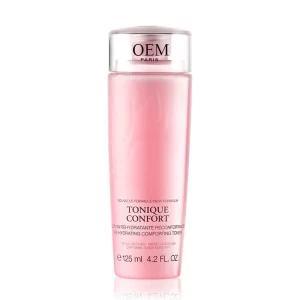
The category spans cleansers, toners, serums, moisturizers, sunscreens, masks, and eye creams. A flexible skincare manufacturer supports multiple formats on shared bases, letting you launch a focused range without qualifying a new line for every SKU. Start narrow—a cleanser, serum, and moisturizer—and extend as the regimen proves out. This focused start also keeps working capital and quality oversight manageable while you learn which products your customers actually reorder, so you scale the winners instead of gambling on a full range.
Formulation Trends Buyers Want
Demand is concentrated in a few directions: clean and vegan formulations, anti-aging with peptides and retinol alternatives, brightening with vitamin C and niacinamide, and barrier repair with ceramides. A skincare manufacturer China partner that tracks these trends can propose formulas your market is already searching for, shortening your path to relevance.
Understanding MOQ for Skincare
Minimum order quantity varies by format and customization. Standard bases lower MOQ; custom actives and bespoke packaging raise it. Clarify per-SKU MOQ and whether it falls on repeat orders. Our low-MOQ manufacturer guide for startups explains how to validate demand before scaling—an approach that pairs perfectly with private label skincare.
Certifications and Quality Control
Look for GMPC (ISO 22716) as the baseline, plus the documentation your destination market requires. Quality control should cover incoming material inspection, in-process checks, microbiology and heavy-metals testing, and batch release. A manufacturer that publishes these systems—rather than promising them—is the safer long-term bet.
Packaging and Customization
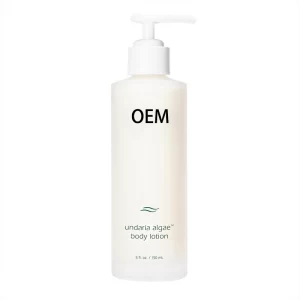
Skincare lives and dies on the unboxing. Airless pumps protect sensitive actives, frosted or amber glass signals premium, and refillable formats answer sustainability demands. A strong partner advises on packaging that preserves the formula and matches your price tier, then executes consistent decoration and labeling.
Lead Times and Logistics
From approved sample to finished goods, lead time depends on raw-material sourcing, filling complexity, and documentation. Build buffer around peak seasons and customs. A transparent skincare manufacturer China supplier shares realistic timelines and proactively manages the small delays that compound into missed launches.
How to Vet a skincare manufacturer
Vet on four pillars: certificates (current and in scope), R&D depth (can they customize actives?), quality evidence (batch records and test reports), and references (brands they have shipped for). A supplier uncomfortable with any of these is a supplier to walk away from. Documentation is the real differentiator in skincare, where claims are easy to make and hard to prove.
Building a Long-Term Partnership
The first order is a test; the second is the relationship. Share forecasts, involve the manufacturer in new-product planning, and align on quality thresholds in writing. A partner who helps you improve the formula over time is worth more than the cheapest quote on a single run. Treat the manufacturer as an extension of your product team.
Cost Considerations When Sourcing Skincare
Skincare cost combines formula complexity, packaging, filling, and documentation. Custom actives and bespoke molds raise unit cost; standard bases and stock packaging lower it. A transparent skincare manufacturer China partner itemizes the quote so you can tune the price to your positioning without sacrificing the claims that sell. Volume remains the strongest lever, so plan forecast sharing early.
Sustainability and Clean Beauty Expectations
Buyers increasingly expect clean formulations and responsible packaging. A modern manufacturer supports vegan bases, cruelty-free certification paths, PCR and refillable packaging, and traceable ingredient documentation. These are no longer differentiators—they are table stakes for many Western retailers—so confirm the capability before you brief the first product.
From First Order to a Full Range
Treat the first production run as validation, not the finish line. Use early sales and reviews to confirm which claims resonate, then expand into a coherent range on shared bases to control cost and lead time. A manufacturer with modular formulations turns a single SKU into a regimen without re-qualifying everything from scratch.
Common Red Flags to Watch
Walk away from suppliers who refuse to share current certificates, cannot show batch records, are vague about test labs, or pressure you to skip documentation to “save time.” In skincare, where claims are easy to make and hard to prove, these gaps are not minor—they are the difference between a brand that scales and one that stalls after the first complaint.
Documentation You Should Request
Before the first bulk order, request a certificate of analysis, microbiology and heavy-metals results, the relevant certifications, and a full INCI with country of origin. A skincare manufacturer China partner that delivers this packet automatically is doing much of your compliance work; one that scrambles after shipping is a liability. Keep the documents indexed by batch so any retailer audit or customs query is answered in minutes rather than weeks.
Direct Factory vs Sourcing Agent
Brands sometimes use a sourcing agent to bridge language and logistics. An agent can help, but it inserts a layer between you and the factory’s real capability and pricing. Where possible, build a direct relationship with the manufacturer for transparency on MOQ, lead time, and quality, and use an agent only for the logistics you cannot handle yourself. Direct communication also speeds the revision loops that define a good launch.
Timeline Expectations
A realistic skincare timeline runs four to ten weeks from approved brief to bulk, shaped by custom actives, packaging lead time, and documentation. Treat stability and regulatory prep as scheduled steps, not optional extras, because skipping them is what turns a smooth launch into a recall-risk scramble. A skincare manufacturer China partner that quotes an honestly paced timeline and tells you early when a step slips is far more dependable than one promising an unrealistic rush that fails at the finish line. Plan backward from your launch date and protect the testing and documentation weeks first.
Conclusion: Source Skincare That Sells on Merit
A skincare manufacturer China partnership should deliver more than bottles: proven formulations, verifiable quality, and a scalable process. Shortlist partners who show certificates, R&D capability, and testing without hesitation, then start with a focused range and let evidence guide the expansion. When you are ready to begin, talk to our team about a private label skincare roadmap matched to your market and MOQ.