
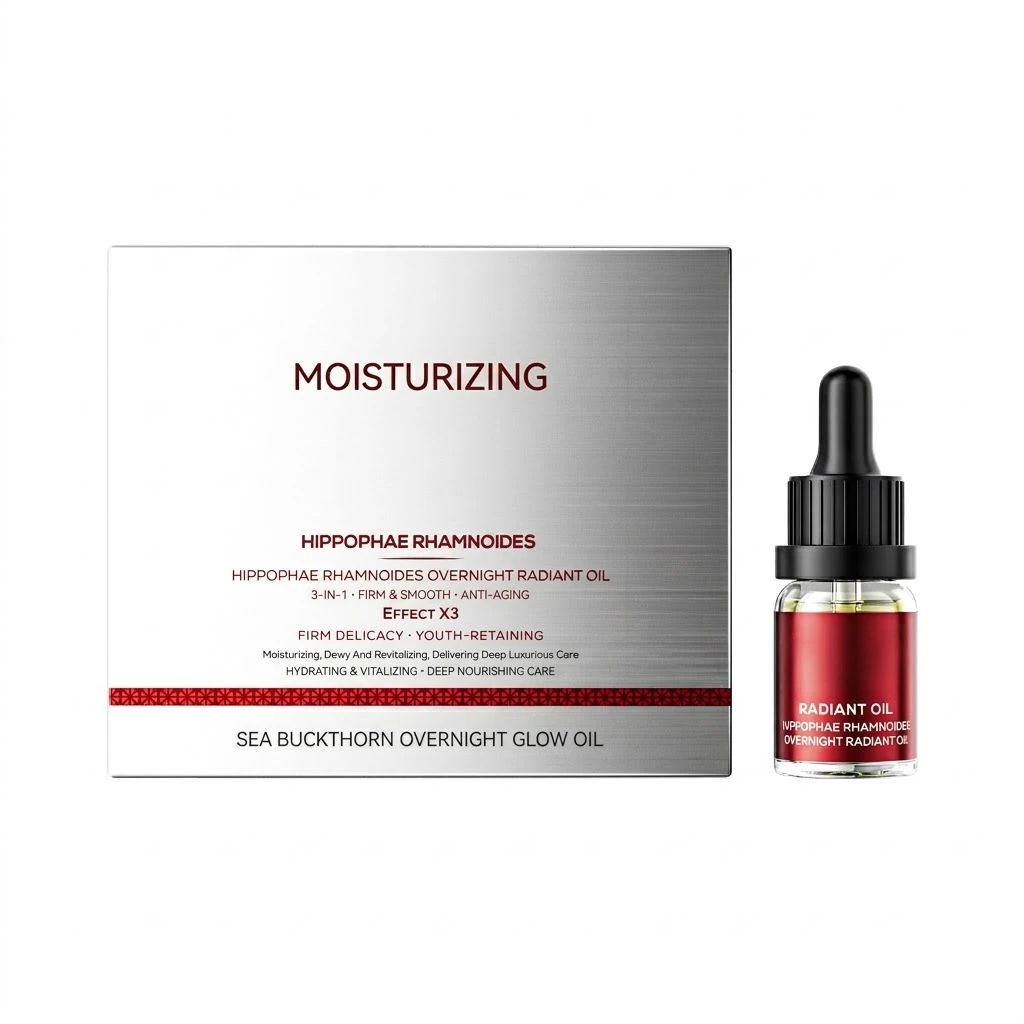
The cosmetics manufacturing process is the invisible engine behind every product on a beauty shelf. For a brand owner, understanding each stage—from the first formula sketch to the sealed, labeled unit—is the difference between a smooth launch and a costly recall. In 2026, a professional Guangzhou cosmetics manufacturing process is highly standardized, lab-driven, and documented at every step, which is exactly what lets private-label brands scale with confidence.

What the Cosmetics Manufacturing Process Actually Covers
A complete cosmetics manufacturing process is more than mixing and filling. It spans brief and concept, formula development, raw-material qualification, pilot batch, stability and challenge testing, scale-up, bulk production, filling and packaging, quality control, and finally warehousing and shipping. Each stage has its own checkpoints, and a disciplined cosmetics manufacturing process records data at all of them so the batch you receive matches the sample you approved.
For private-label brands, the process begins long before production. Your manufacturer translates your brief—target skin concern, texture, scent, claims, and price—into a workable formula. That translation is where most of the real engineering happens, because the same claim can be delivered by very different ingredient systems depending on cost and stability.
Stage 1: Brief, Concept, and Formula Development
The first step of the cosmetics manufacturing process is the brief. You share your target retail price, competitor references, desired finish, and any “free from” rules such as vegan, sulfate-free, or cruelty-free. The R&D team then proposes a formula architecture: the surfactant or emulsifier system, the active level, the preservative, and the sensory modifiers. A strong cosmetics manufacturing process returns two or three bench samples so you can compare textures rather than guessing from a spec sheet.
Formula development is iterative. You pick a direction, request adjustments to viscosity or color, and the lab reformulates. This loop usually takes one to three weeks for a standard emulsion and longer for complex actives. The key discipline is to freeze the formula only after it feels right and survives an initial screen, because changing it later triggers re-testing.
Stage 2: Raw Material Qualification and Documentation
Before any bulk is made, the cosmetics manufacturing process qualifies every raw material. Reputable factories require certificates of analysis, safety data sheets, and traceability for each ingredient, and they quarantine incoming materials until tested. This incoming-control step is what prevents off-spec oils or contaminated pigments from ever entering your batch.
Documentation here also supports compliance. If you later sell into the US or EU, the cosmetics manufacturing process records you collect—material origins, specs, and test results—feed directly into MoCRA listings and CPNP notifications. A factory that treats documentation as part of the process, not an afterthought, saves you weeks at launch.
Stage 3: Pilot Batch and Stability Testing
After the formula is locked, the cosmetics manufacturing process moves to a pilot batch, typically a small kilo-scale run that mimics production conditions. The pilot validates that the formula scales cleanly and reveals any issues with heating, mixing, or filling. Only a passing pilot proceeds to full production.
Stability and preservative-efficacy (PET) testing run alongside scale-up. A rigorous cosmetics manufacturing process subjects the product to heat, cold, and light over one to three months, checking for separation, color shift, odor change, and microbial growth. Water-based products especially need PET confirmation, because a preservative that looks fine on paper can fail in a warm warehouse. Skipping this stage is the most common cause of batch failures in the industry.
Stage 4: Bulk Production and Homogenization
Full production is where the cosmetics manufacturing process earns its scale advantage. Batches are made in stainless steel vessels under controlled temperature, with weighed ingredients added in a strict sequence and mixed with high-shear homogenizers for emulsions. The batch is then de-aerated and sampled for in-process checks: pH, viscosity, appearance, and odor.
Consistency between batches is the real test of a cosmetics manufacturing process. Good factories hold master formulas, standardize mixing times and speeds, and retain batch samples so a product made in March matches one made in September. That repeatability is what lets your customers trust the product they repurchase.
Stage 5: Filling, Packaging, and Line Hygiene
Once bulk passes, the cosmetics manufacturing process moves to filling. Depending on the format, lines handle jars, bottles, tubes, or pans, with pumps, doe-foots, or airless actuators. Filling rooms run under controlled hygiene with filtered air and sanitized equipment to protect the sterile-ish environment of a finished cosmetic.
Packaging is integrated, not separate. The cosmetics manufacturing process includes automated capping, labeling, and cartoning, plus inline vision checks that reject mislabeled or under-filled units. For a brand, this is where the unboxing experience is built, so cap torque, label alignment, and carton print quality all matter and are checked on the line.
Stage 6: Quality Control and Release
Before anything ships, the cosmetics manufacturing process runs final QC. Microbial limits, heavy metals, and claimed actives are verified against specification; appearance and fill weight are confirmed; and a retained sample is logged. Only a batch that passes the full release checklist is cleared for warehousing.
A transparent cosmetics manufacturing process shares the release data with you. Ask for the COA (certificate of analysis) per batch; a factory that hides it is a red flag. This is also the stage where your skincare contract manufacturing cost breakdown should account for testing, because real QC is not free and is worth every cent.
Stage 7: Warehousing, Compliance, and Shipping
The final stage of the cosmetics manufacturing process is logistics. Finished goods are stored in climate-controlled warehousing, picked, and shipped, often with the factory handling export documentation. For international brands, the process includes labeling that meets destination rules and the certificates buyers require.
Compliance wraps the whole flow. Whether you run a face serum manufacturer line or a day cream manufacturer program, the cosmetics manufacturing process you chose determines how cleanly you can later add a brightening skincare manufacturer range or an exfoliant manufacturer line without re-qualifying your supplier.
How to Brief Your Manufacturer for a Clean Process
Your brief sets the tone for the entire cosmetics manufacturing process. Share target price, competitor references, texture and scent direction, claims, and required certifications up front. Approve samples and packaging early, require stability data before mass production, and keep one named contact on each side. A guide to working with a China cosmetics manufacturer remotely can help you run the project from abroad without surprises.
Typical Lead Times Through the Process
Buyers often ask how long the cosmetics manufacturing process takes, and the honest answer is “it depends on packaging.” With stock bottles, a typical calendar runs one to three weeks for bench samples, four to twelve weeks for stability and preservative-efficacy testing, and three to seven weeks from pilot approval to mass production. Custom molds extend the front end by four to eight weeks because the bottle is the critical path for the whole line.
The mistake is treating these phases as a queue instead of a pipeline. A skilled cosmetics manufacturing process lets you approve packaging while stability runs and brief the next SKU while the first is in production. That overlap is how a brand moves from one hero product to a full range within a year. Build the calendar with milestone approvals, and the cosmetics manufacturing process becomes predictable rather than a source of surprise air-freight bills.
How to Read a Batch Certificate of Analysis
The COA is the document that proves your cosmetics manufacturing process worked. Learn to read it before you need it: check the batch number matches your order, confirm pH and viscosity sit inside the approved spec, and verify microbial limits are below the legal threshold for your market. A transparent cosmetics manufacturing process delivers the COA with the shipment, not weeks later when a retailer asks for it. If a factory cannot show you a sample COA during qualification, treat that as a stop sign rather than a delay.
Beyond the COA, ask for the full certificate pack: ISO 22716 and GMP certificates, ingredient specifications, and any claim-supporting test reports. A cosmetics manufacturing process that assembles these into a single handoff folder saves you from chasing documents across three departments when a customs officer or buyer requests them at the worst possible moment. Documentation discipline is a leading indicator of manufacturing discipline overall.
Conclusion
The cosmetics manufacturing process is a documented chain from brief to shipment, and the factories that win are the ones that instrument every link. When you understand the stages, you can ask better questions, catch risk earlier, and launch with confidence.
Ready to run your line through a professional cosmetics manufacturing process? Contact our team today for a process brief template, typical lead times, and a tailored quote. Tell us your category and volume, and our manufacturing specialists will map the full cosmetics manufacturing process for your brand within two weeks. Request your free quote now, and start with our private-label cosmetics manufacturer buyers guide.