
 Cosmetics OEM vs ODM: Key Differences for Beauty Brands
Cosmetics OEM vs ODM: What’s the Difference for Beauty Brands
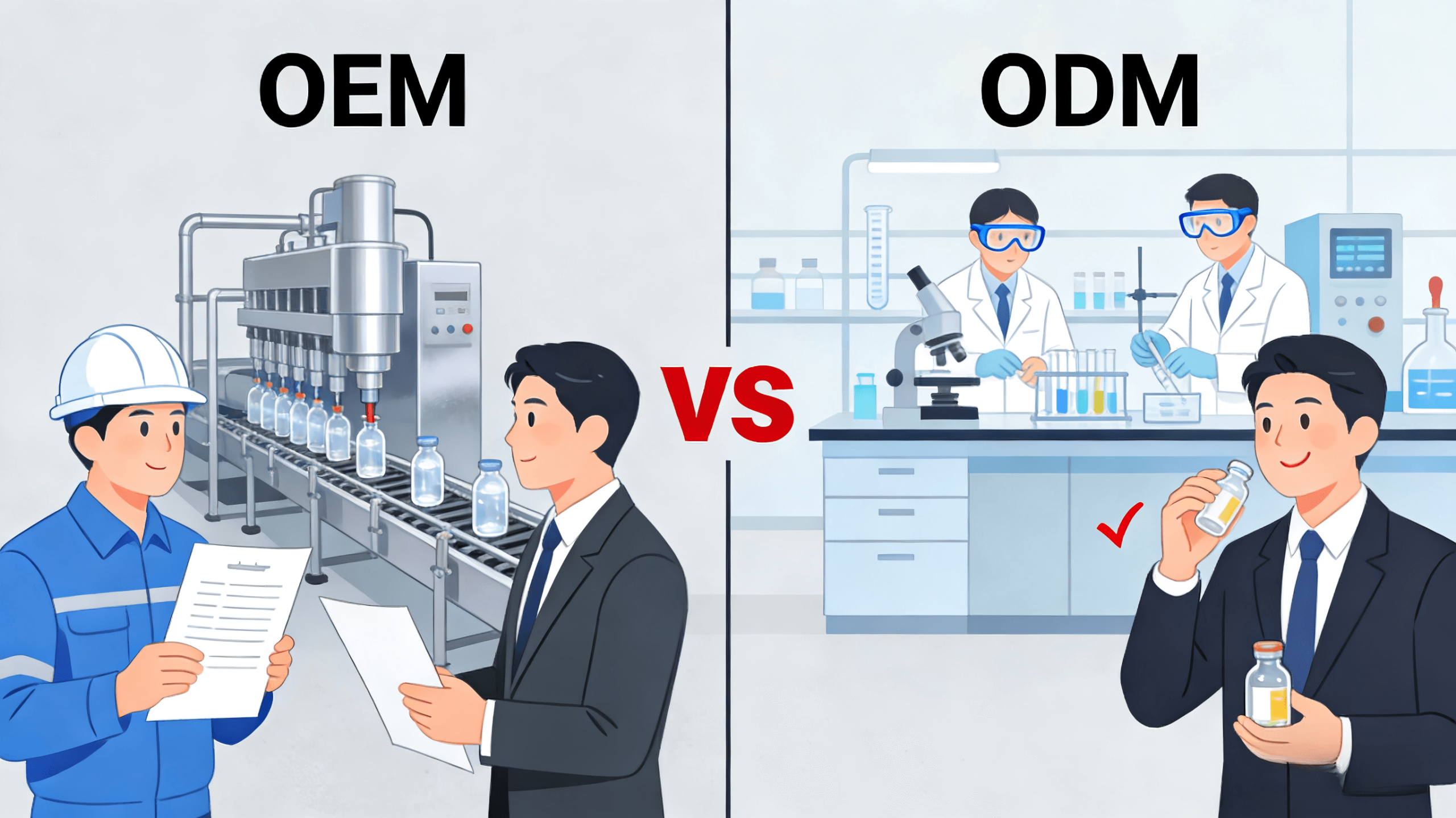
When beauty brands look to bring new products to market, two common manufacturing models stand out: OEM (Original Equipment Manufacturing) and ODM (Original Design Manufacturing). While both involve third-party production, they serve distinct purposes and offer different benefits for brands at various stages of growth. Understanding the key differences between OEM and ODM is critical for beauty entrepreneurs to make informed decisions that align with their brand goals, budget, and long-term strategy.
Core Definitions: OEM vs ODM
OEM (Original Equipment Manufacturing) refers to a manufacturing model where the brand provides the complete product design, formula, and specifications to a third-party manufacturer. The manufacturer’s role is to produce the product exactly as per the brand’s requirements, using the brand’s intellectual property (IP). This model is ideal for brands that have a clear product vision, existing formulas, or unique ingredients they want to protect.
ODM (Original Design Manufacturing) involves the manufacturer designing and developing the product from scratch, including the formula, packaging, and branding elements. The brand then purchases the rights to the product and markets it under their own name. ODM is a turnkey solution, perfect for brands that want to launch products quickly without investing in R&D or design resources.
Key Differences Between OEM and ODM
Control Over Product Design
– OEM: Brands retain full control over every aspect of the product, from the formula to the packaging design. This allows for complete customization and brand consistency.
– ODM: Manufacturers own the product design and intellectual property. Brands can request modifications, but major changes may incur additional costs or require renegotiation.
Cost and Time to Market
– OEM: Typically requires higher upfront costs for R&D, formula development, and testing. The time to market is longer due to the need for extensive design and approval processes.
– ODM: Lower initial costs as the manufacturer already has pre-developed formulas and designs. Products can be launched in a matter of weeks, making it ideal for brands looking to capitalize on trends quickly.
Intellectual Property Rights
– OEM: The brand owns all IP related to the product, including formulas, designs, and trademarks. This is crucial for brands that want to protect their unique selling propositions (USPs).
– ODM: The manufacturer retains ownership of the product design unless a separate IP agreement is signed. Brands must ensure they have the right to use the design exclusively to avoid competition from other brands using the same ODM product.
When to Choose OEM
Established Brands: Brands with existing product lines or a strong brand identity that want to maintain consistency across their offerings.
Unique Formulas: Brands that have developed proprietary formulas or ingredients and want to protect their IP.
Customization Needs: Brands that require highly customized products tailored to their target audience’s specific needs (e.g., vegan, organic, or sensitive skin products).
When to Choose ODM
New Brands: Startups or small brands with limited resources that want to launch products quickly without investing in R&D.
Trend-Driven Products: Brands looking to capitalize on short-term trends (e.g., seasonal skincare products) where speed to market is critical.
Cost-Effective Solutions: Brands with a tight budget that want to minimize upfront costs while still offering high-quality products.
Case Studies: OEM vs ODM in Action
Case Study 1: Luxury Skincare Brand (OEM)
A high-end skincare brand with a loyal customer base wanted to expand its product line with a new anti-aging serum. They worked with an OEM manufacturer to develop a proprietary formula using rare ingredients. The brand retained full control over the formula, packaging, and branding, ensuring the product aligned with their luxury image. The result was a successful launch that reinforced their position as an innovator in the skincare industry.
Case Study 2: Emerging Beauty Brand (ODM)
A new beauty brand wanted to launch a line of natural lip balms but lacked the resources for R&D. They partnered with an ODM manufacturer that offered pre-developed formulas using organic ingredients. The brand customized the packaging and branding to reflect their eco-friendly values, launching the product in just 6 weeks. The ODM model allowed them to enter the market quickly and test consumer demand before investing in more expensive R&D.
How to Select the Right Manufacturing Partner
Assess Your Brand’s Needs: Determine whether you need full control over product design (OEM) or a turnkey solution (ODM).
Evaluate Manufacturer Expertise: Look for manufacturers with experience in your niche (e.g., skincare, makeup, haircare) and a track record of quality and compliance.
Review IP Policies: Ensure the manufacturer’s IP policies align with your brand’s needs, especially if you’re using OEM.
Request Samples: Test product samples to ensure they meet your quality standards before committing to a partnership.
Negotiate Terms: Clarify pricing, minimum order quantities (MOQs), lead times, and customization options in your contract.
CTA 1: Ready to Launch Your Beauty Product?
If you’re a beauty brand looking to bring your product idea to life, our team of experts can help you navigate the OEM vs ODM decision. Contact us today to discuss your project and receive a free consultation. WhatsApp Us to get started!
CTA 2: Need a Custom Formula?
Our OEM services allow you to create a unique product tailored to your brand’s vision. From formula development to packaging design, we’ll work with you every step of the way. WhatsApp Us to learn more about our OEM capabilities.
CTA 3: Launch Fast with ODM
Don’t let limited resources hold you back. Our ODM solutions offer pre-developed formulas and designs that can be customized to your brand. Launch your product in weeks, not months. WhatsApp Us to explore our ODM product catalog.
CTA 4: Free Sample Kit
Request a free sample kit of our best-selling OEM and ODM products to experience our quality firsthand. WhatsApp Us to claim your sample kit today!
CTA 5: Let’s Talk About Your Project
Whether you’re considering OEM or ODM, our team is here to help. Schedule a free 30-minute consultation to discuss your goals and find the right manufacturing solution for your brand. WhatsApp Us to book your consultation.
Conclusion
Choosing between OEM and ODM is a critical decision that can impact your brand’s success. By understanding the key differences, assessing your brand’s needs, and selecting the right manufacturing partner, you can bring high-quality products to market efficiently and effectively. Whether you opt for the customization of OEM or the speed of ODM, the right choice will help you achieve your business goals and stand out in the competitive beauty industry.
For more information on Cosmetics OEM vs ODM, visit our website: Cosmetics OEM vs ODM: What’s the Difference for Beauty Brands