
How We Evaluate Manufacturers
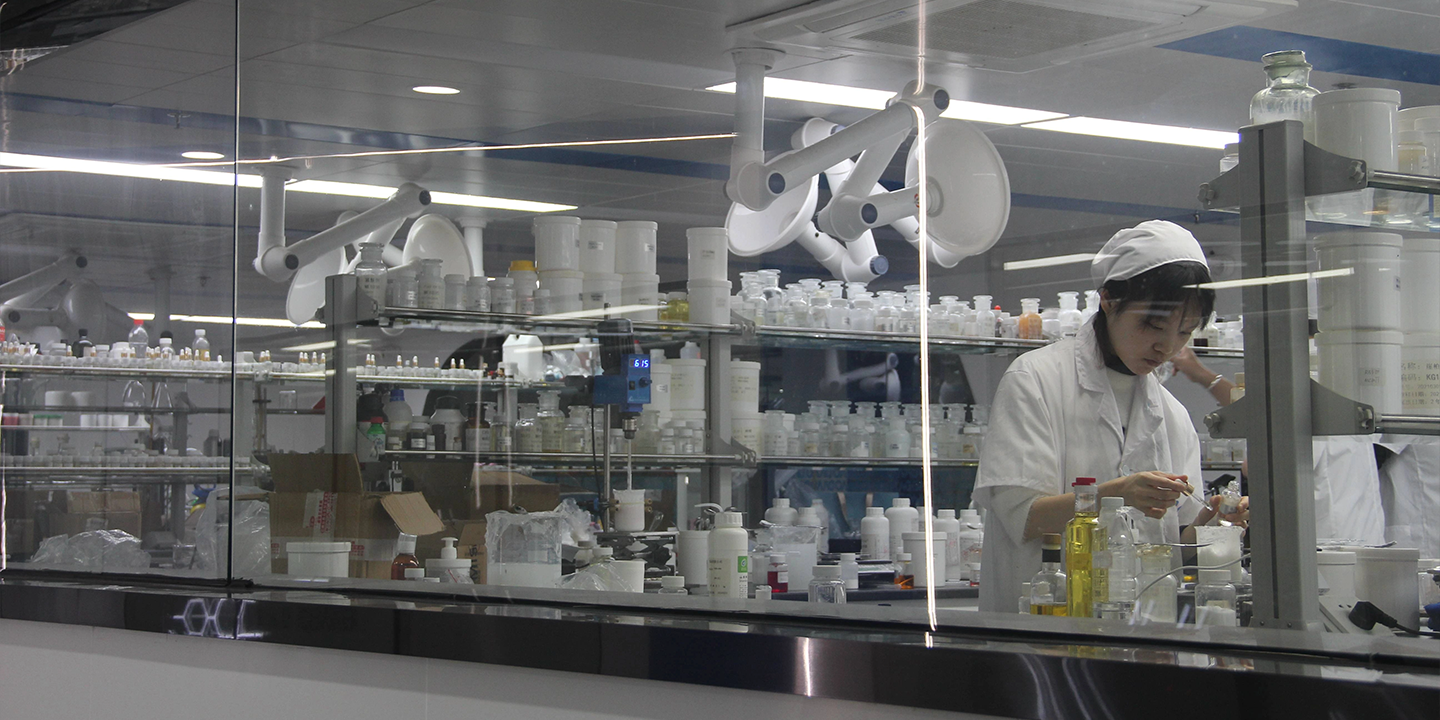
For beauty entrepreneurs and brands looking to launch or expand their product lines, partnering with a top private label cosmetic manufacturer in China is a strategic move. China’s cosmetic manufacturing industry is renowned for its cost-effectiveness, advanced technology, and ability to produce high-quality products at scale. In this comprehensive guide, we’ll explore the top cosmetics manufacturers in China for private label brands, their key strengths, and how to choose the right partner to elevate your brand.
Why Choose China for Private Label Cosmetics?
1.1 Cost-Effectiveness
China’s manufacturing ecosystem offers competitive pricing without compromising quality. Labor costs are lower compared to Western countries, and access to raw materials (e.g., herbal extracts, active ingredients) is abundant. This allows brands to offer premium products at affordable prices, making them competitive in global markets.
1.2 Advanced Manufacturing Technology
Chinese cosmetic manufacturers invest heavily in R&D and technology. Many facilities are equipped with state-of-the-art equipment for formulation, production, and quality control. This ensures that products meet international standards (e.g., FDA, EU CPNP) and are consistent in quality.
1.3 Customization & Flexibility
Top Chinese manufacturers offer extensive customization options, from formulation to packaging. Whether you need organic skincare, vegan makeup, or luxury haircare, they can tailor products to your brand’s unique requirements. This flexibility is ideal for brands looking to stand out in a crowded market.
Key Criteria for Selecting a Private Label Manufacturer
2.1 Certification & Compliance
Ensure the manufacturer holds relevant certifications, including GMP (Good Manufacturing Practice), ISO 22716, and FDA/EU CPNP compliance. These certifications guarantee that products are safe, hygienic, and meet global regulatory standards.
The Factors That Separate Suppliers
Supplier Comparison: How the Main Options Stack Up
When brands evaluate cosmetics manufacturers in china for private label brands: a suppliers, they tend to compare factory scale first and overlook the variables that actually decide whether a launch goes well. The table below weights the six factors we score, and shows where each type of supplier tends to win and lose.
| Factor | What good looks like | Large factory | Mid-size specialist | Small workshop |
|---|---|---|---|---|
| Formula flexibility | Adaptation without re-running a full R&D cycle | Low | High | High |
| Minimum order quantity | Low enough for a first commercial run | High | Low–medium | Low |
| Compliance documentation | Certificates and COAs match the legal entity | Strong | Adequate | Weak |
| Communication and lead time | Named contact, replies within 24 hours | Slow (multiple layers) | Fast | Fast but variable |
| Export experience | Ships to your destination market regularly | High | Medium | Low |
| Pricing at volume | Lowest per unit once MOQ is met | Best | Competitive | Not competitive |
Scale is not the same as fit. A mid-size specialist will usually beat a large factory on your first three production runs, because the commercial terms are set for brands rather than for corporate tender volume.
Want numbers for your own product? Send us your target category,
packaging preference and estimated annual volume, and we will come back with a written quotation and MOQ options —
usually within one business day.
2.2 Product Range & Specialization
Look for manufacturers that specialize in your product category (e.g., skincare, makeup, haircare). A manufacturer with expertise in your niche will understand your needs better and deliver higher-quality products. For example, a manufacturer specializing in organic skincare will have the knowledge and ingredients to create natural, eco-friendly products.
2.3 MOQ & Scalability
Consider the minimum order quantity (MOQ) and scalability. Many Chinese manufacturers offer low MOQ options (50–500 units) for startups, while also being able to scale production to 10,000+ units for established brands. This flexibility allows you to grow your business without switching manufacturers.
3.1 Guangzhou Cosmetic Manufacturer Co., Ltd.
Specialization: Skincare, makeup, haircare, and personal care products.
Key Strengths: GMP-certified facility, custom formulation, low MOQ (100 units), and in-house R&D team.
Notable Clients: Indie beauty brands, e-commerce sellers, and global retailers.
Why Choose Them: Their focus on innovation and customer service makes them ideal for brands looking to launch unique products.
3.2 Shanghai Beauty Products Co., Ltd.
Specialization: Luxury skincare, anti-aging products, and organic cosmetics.
Key Strengths: ISO 22716-certified, advanced testing labs, and sustainable packaging options.
Notable Clients: High-end beauty brands and celebrity lines.
Why Choose Them: Their expertise in luxury formulations and attention to detail make them a top choice for premium brands.
Where Large Factories Win
3.3 Shenzhen Cosmetic Factory
Specialization: Color cosmetics (lipsticks, eyeshadows, foundations) and skincare.
Key Strengths: Fast turnaround times (2–4 weeks), custom packaging design, and competitive pricing.
Notable Clients: Fast-fashion beauty brands and social media influencers.
Why Choose Them: Their ability to produce trendy products quickly makes them perfect for brands targeting younger consumers.
3.4 Hangzhou Natural Cosmetics Co., Ltd.
Specialization: Organic and natural skincare, herbal products, and vegan cosmetics.
Key Strengths: USDA Organic certification, eco-friendly packaging, and transparent supply chain.
Notable Clients: Sustainable beauty brands and health-conscious consumers.
Why Choose Them: Their commitment to sustainability aligns with the growing demand for green beauty products.
How to Partner with a Chinese Private Label Manufacturer
4.1 Define Your Brand & Product Requirements
Before reaching out to manufacturers, clearly define your brand identity, target market, and product specifications. This includes:
Product type (e.g., serum, moisturizer, lipstick)
Formulation preferences (e.g., organic, vegan, anti-aging)
Packaging design (e.g., glass, plastic, eco-friendly)
MOQ and budget
4.2 Research & Shortlist Manufacturers
Use B2B platforms (Alibaba, Made-in-China) and industry directories to find potential manufacturers. Shortlist 3–5 options based on their specialization, certifications, and client reviews. Request samples to test product quality and packaging.
4.3 Negotiate Terms & Sign a Contract
Once you’ve selected a manufacturer, negotiate pricing, MOQ, lead times, and payment terms. Ensure the contract includes:
Product specifications and quality standards
Delivery timeline and shipping details
Intellectual property (IP) protection clauses
Warranty and return policy
5.1 Choosing Based on Price Alone
While cost is important, choosing the cheapest manufacturer can lead to low-quality products or delays. Prioritize quality, certifications, and customer service over price.
5.2 Ignoring Regulatory Compliance
Failing to verify a manufacturer’s certifications can result in products being rejected by customs or recalled. Always check for GMP, ISO 22716, and FDA/EU compliance.
5.3 Not Testing Samples
Never place a large order without testing samples. Samples allow you to assess product quality, texture, and packaging before committing to a manufacturer.
Success Stories: Brands That Partnered with Chinese Private Label Manufacturers
6.1 Glossier
Glossier started with private label products from Chinese manufacturers, allowing them to test the market with minimal investment. Their focus on simple, effective skincare resonated with consumers, leading to rapid growth.
6.2 The Ordinary
The Ordinary partnered with Chinese manufacturers to produce affordable, high-quality skincare products. Their transparent pricing and ingredient-focused formulations made them a global success.
CTA: Elevate Your Brand with a Top Chinese Private Label Manufacturer