
What is Cosmetics OEM Manufacturing?
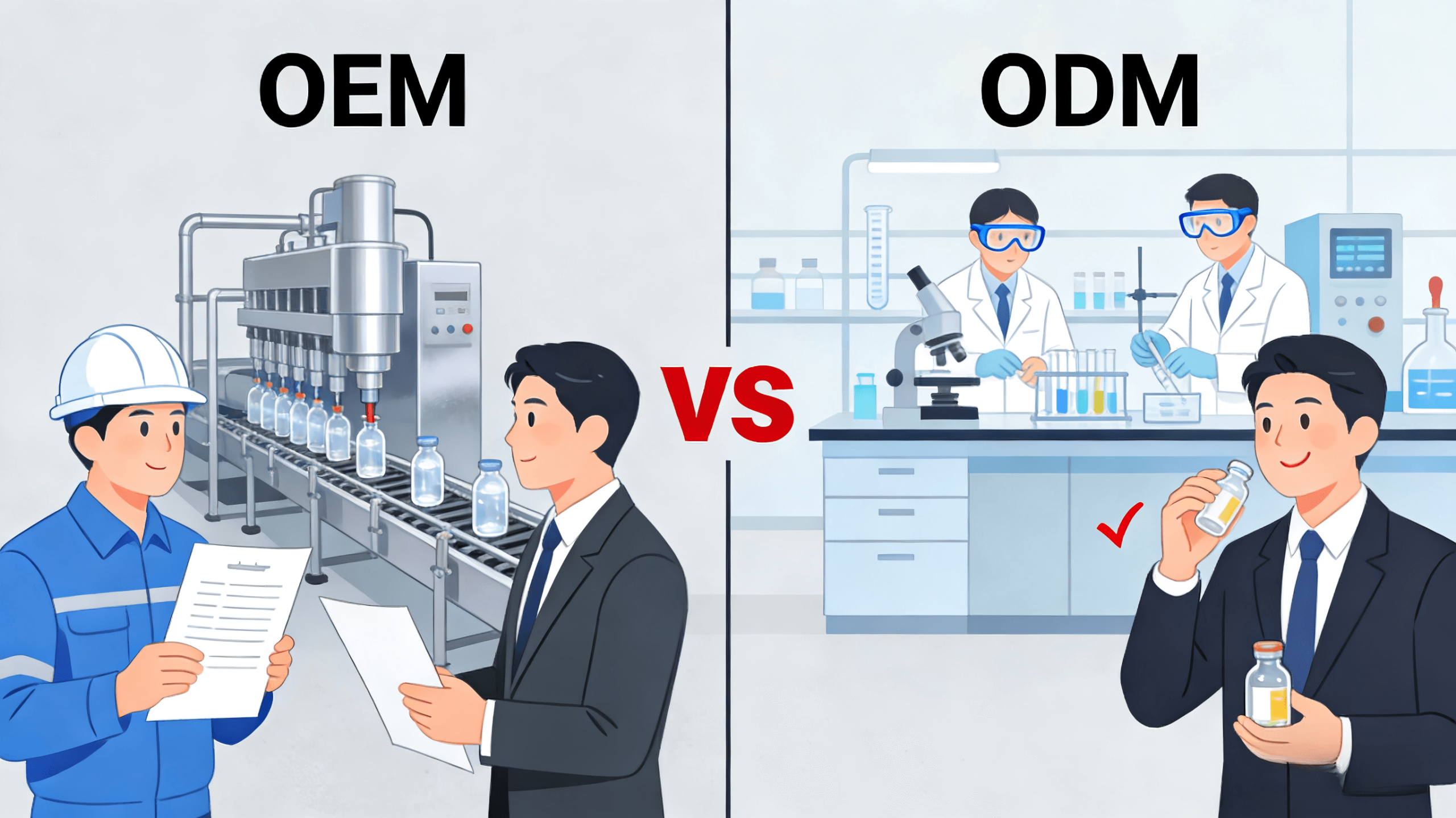
Definition of Cosmetics OEM
Cosmetics OEM (Original Equipment Manufacturing) is a business model where a company designs, develops, and produces cosmetic products for another brand. The OEM manufacturer handles the entire production process, from formulation to packaging, while the client brand markets and sells the final products under their own name. This model allows brands to launch new products without investing in manufacturing facilities or expertise.
Key Benefits of Cosmetics OEM
Cost-Effectiveness: By outsourcing production, brands avoid the high costs of building and maintaining manufacturing facilities, hiring specialized staff, and purchasing raw materials in small quantities.
Time Efficiency: OEM manufacturers have established production lines and supply chains, enabling faster product development and launch times.
Expertise Access: Brands can leverage the technical expertise and industry knowledge of OEM manufacturers, ensuring high-quality products that meet regulatory standards.
Flexibility: OEM partnerships allow brands to scale production up or down based on market demand, reducing inventory risks.
The Cosmetics OEM Manufacturing Process
Step 1: Product Concept and Formulation
The first step in the OEM process is defining the product concept. This involves identifying the target market, product type (e.g., skincare, makeup, haircare), and key ingredients. The OEM manufacturer works closely with the client to develop a unique formulation that meets their specifications, including texture, scent, and performance. This stage also includes stability testing to ensure the product remains effective and safe over time.
Step 2: Packaging Design and Selection
Packaging plays a crucial role in product appeal and functionality. The OEM manufacturer offers a range of packaging options, from bottles and jars to tubes and pumps. The client can choose from standard designs or create custom packaging that aligns with their brand identity. Factors such as material durability, sustainability, and cost are considered during this stage.
Step 3: Production and Quality Control
Once the formulation and packaging are finalized, production begins. The OEM manufacturer follows strict quality control protocols to ensure consistency and compliance with local and international regulations (e.g., FDA, EU Cosmetics Regulation). This includes testing raw materials, in-process checks, and final product inspections. Batch records are maintained to track every step of the production process.
Step 4: Labeling and Compliance
Proper labeling is essential for regulatory compliance and consumer transparency. The OEM manufacturer ensures that all labels include required information, such as ingredient lists, usage instructions, and safety warnings. They also help clients navigate complex regulatory requirements in different markets, ensuring the product can be sold globally.
Step 5: Shipping and Distribution
After production and quality control, the finished products are packaged and shipped to the client. The OEM manufacturer may offer logistics support, including warehousing and distribution services, to ensure timely delivery to the client’s desired locations.
Choosing the Right Cosmetics OEM Manufacturer
Factors to Consider When Selecting an OEM Partner
Experience and Expertise: Look for manufacturers with a proven track record in the cosmetics industry and expertise in your specific product category.
Regulatory Compliance: Ensure the manufacturer adheres to all relevant regulations and holds necessary certifications (e.g., GMP, ISO).
Production Capacity: Evaluate the manufacturer’s ability to meet your production volume requirements, both now and in the future.
Customization Options: Check if the manufacturer offers flexible formulation and packaging options to meet your brand’s unique needs.
Communication and Support: A reliable OEM partner should provide clear communication and ongoing support throughout the production process.
Questions to Ask Potential OEM Manufacturers
What is your experience with similar products?
Can you provide references from past clients?
What quality control measures do you have in place?
How do you handle product formulation changes?
What is your lead time for production and delivery?
Trends in Cosmetics OEM Manufacturing
Sustainable and Eco-Friendly Practices
Consumers are increasingly demanding sustainable cosmetic products, driving OEM manufacturers to adopt eco-friendly practices. This includes using renewable raw materials, reducing packaging waste, and implementing energy-efficient production processes. Many manufacturers now offer “green” formulations and packaging options to meet this growing demand.
Personalization and Customization
The rise of personalized beauty has led to an increase in custom OEM solutions. Manufacturers are offering tailored formulations based on individual skin types, preferences, and concerns. This trend allows brands to differentiate themselves in a competitive market and cater to niche consumer segments.
Technological Advancements
Advancements in technology, such as AI-driven formulation tools and automated production lines, are transforming the cosmetics OEM industry. These technologies improve efficiency, reduce costs, and enable faster product development. Manufacturers are also using data analytics to gain insights into consumer preferences and market trends, helping brands make informed decisions.
Common Challenges in Cosmetics OEM Manufacturing
Regulatory Compliance
Navigating the complex web of global regulations is a major challenge for both brands and OEM manufacturers. Different countries have varying requirements for ingredient safety, labeling, and testing, which can delay product launches and increase costs. It is essential to work with an OEM partner that has expertise in international regulatory compliance.
Quality Control
Maintaining consistent quality across batches is critical for brand reputation. OEM manufacturers must implement strict quality control measures to ensure every product meets the client’s specifications. This includes regular testing of raw materials, in-process checks, and final product inspections.
Supply Chain Management
Disruptions in the supply chain, such as raw material shortages or transportation delays, can impact production timelines and costs. OEM manufacturers must have robust supply chain management systems in place to mitigate these risks and ensure timely delivery.
Case Studies: Successful Cosmetics OEM Partnerships
Case Study 1: A Startup Skincare Brand
A new skincare brand wanted to launch a line of organic facial serums but lacked the manufacturing expertise. They partnered with an OEM manufacturer specializing in natural cosmetics. The manufacturer helped develop a unique formulation using sustainable ingredients, designed custom packaging, and ensured compliance with FDA regulations. The product line was a success, with high customer satisfaction and positive reviews.
Case Study 2: A Established Makeup Brand
An established makeup brand wanted to expand its product line to include vegan and cruelty-free products. They collaborated with an OEM manufacturer that had experience in vegan formulations. The manufacturer developed a range of vegan lipsticks and eyeshadows, using plant-based ingredients and eco-friendly packaging. The new line was well-received by consumers, leading to increased sales and brand loyalty.
How to Start Your Cosmetics OEM Journey
Step 1: Define Your Product Vision
Before approaching an OEM manufacturer, clearly define your product vision, target market, and unique selling points. This will help you communicate your requirements effectively and find the right partner.
Step 2: Research and Shortlist OEM Manufacturers
Conduct thorough research to identify potential OEM partners. Look for manufacturers with experience in your product category, positive client reviews, and a strong reputation for quality and compliance.
Step 3: Request Samples and Quotes
Contact shortlisted manufacturers to request product samples and quotes. This will allow you to evaluate the quality of their work and compare costs.
Step 4: Negotiate Terms and Sign a Contract
Once you have selected an OEM partner, negotiate the terms of the agreement, including pricing, production timelines, and quality control measures. Sign a formal contract to protect both parties’ interests.
Step 5: Launch and Monitor Your Product
After production, launch your product and monitor its performance. Gather feedback from customers and work with your OEM partner to make any necessary adjustments.
Conclusion
Cosmetics OEM manufacturing is a valuable business model for brands looking to launch high-quality products without the hassle of in-house production. By partnering with the right OEM manufacturer, brands can leverage expertise, reduce costs, and bring products to market faster. As the industry continues to evolve, staying informed about trends and best practices will be key to success.
Ready to Start Your Cosmetics OEM Project?
If you’re ready to launch your own cosmetic product line, contact us today to discuss your requirements. Our team of experts will guide you through every step of the OEM process, from formulation to production. Let’s turn your vision into reality!
Have Questions About Cosmetics OEM?
If you have any questions about cosmetics OEM manufacturing, feel free to reach out to us. Our knowledgeable team is here to help you make informed decisions and achieve your business goals.
Want to Learn More About Our OEM Services?
Visit our website to learn more about our cosmetics OEM services, including formulation development, packaging design, and regulatory compliance. We offer customized solutions to meet your unique needs.
Let’s Collaborate!
We’re always looking for new partners to collaborate with. If you’re interested in working with us, send us a message or give us a call. We’d love to hear from you!
Get in Touch Today!
Don’t wait to start your cosmetics OEM journey. Contact us now to schedule a consultation and take the first step towards launching your dream product line.
WhatsApp: +86 134 8026 8601