
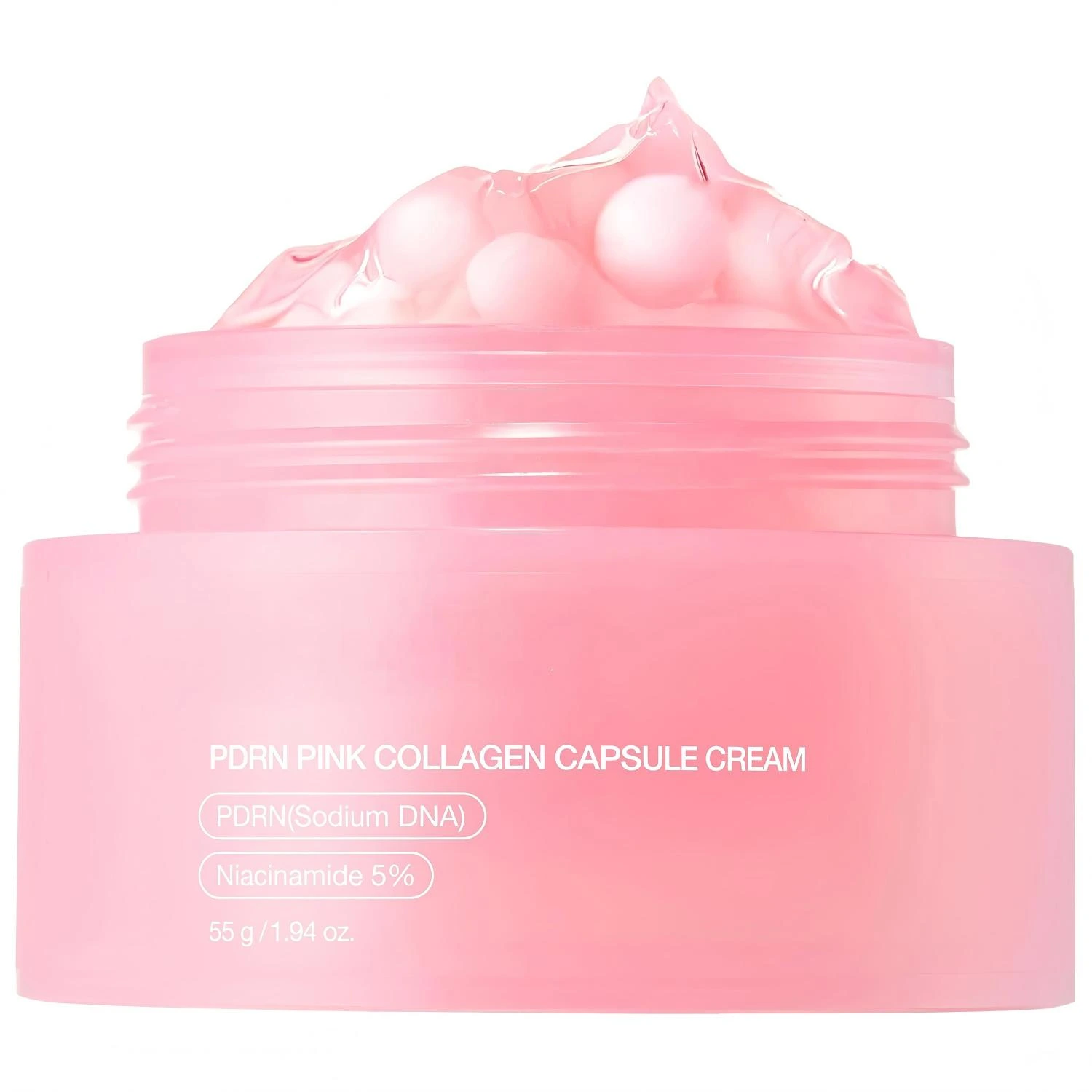
In the globalized beauty market, whether you are a rising indie brand or a large enterprise looking to expand your product line, finding a reliable Chinese private-label cosmetics manufacturer has become a core strategy for creating blockbuster products.
China boasts the world’s most mature and efficient cosmetic supply chain. However, with thousands of suppliers out there, how do you filter out the ones with strong R&D capabilities, strict adherence to international compliance standards, and reliable delivery times? This article provides a comprehensive B2B sourcing and manufacturer screening guide.
Why Choose China as Your Cosmetics Manufacturing Base?
By partnering with cosmetics manufacturers in China, brands can unlock unparalleled competitive advantages:
-
Ultimate Cost-Effectiveness & Scalability: From low Minimum Order Quantities (MOQs) for initial market testing to large-scale mass production once a product goes viral, Chinese factories offer highly flexible manufacturing solutions.
-
Complete Supply Chain Integration: Whether it’s high-end glass bottles, innovative eco-friendly packaging, or top-tier raw ingredients (like peptides and plant extracts), you can achieve “one-stop” sourcing and assembly in China, drastically reducing your Time-to-Market.
-
Advanced R&D Technologies: Top Chinese manufacturers have long shed the “low-end manufacturing” label. Today, they lead the industry in formula development for scalp care (e.g., anti-hair loss shampoos, botanical hair dyes), cutting-edge skincare, and niche color cosmetics (like highly moisturizing lip oils).
OEM vs. ODM: Which Model Suits Your Brand Best?
Before reaching out to a Chinese private-label cosmetics manufacturer, it is crucial to define your business needs:
-
OEM (Original Equipment Manufacturer): You provide a mature formula, packaging design, and detailed product specifications. The factory is solely responsible for production according to your standards. This is ideal for mature brands with strong in-house R&D.
-
ODM (Original Design Manufacturer): The factory provides mature, market-tested formulas (white-label products). You simply choose the product you like and slap your brand label on it. For startups looking to quickly enter the hair care, skincare, or lip care niches, this is the most asset-light and low-risk model.
Core Criteria for Selecting a Chinese Cosmetics Manufacturer
To protect your brand reputation and product quality, be sure to verify the following core dimensions when sending inquiries and conducting background checks:
1. International Compliance & Factory Certifications
Cosmetics are applied directly to the human body, making safety the absolute baseline. An excellent factory must hold the following foundational certifications:
-
ISO 22716 & GMPC: Good Manufacturing Practices for Cosmetics, which are the stepping stones for exporting to European and American markets.
-
FDA Registration & CE Certification: Ensures products meet the strict market entry standards of the US and Europe.
-
MSDS & COA Reports: The factory should be able to provide detailed Material Safety Data Sheets and Certificates of Analysis for every batch.
2. R&D and Custom Formulation Capabilities
Don’t just look at the factory’s production lines; inspect their laboratories. A top-tier manufacturer should have a team of experienced formulators. For instance, if you plan to launch a tinted Lip Oil that combines makeup and skincare benefits, the factory must master not only color adhesion but also the moisturizing stability of various botanical oils. If your focus is high-end Shampoo & Hair Care, the factory needs solid R&D reserves in scalp micro-ecology.
3. Communication Efficiency & Responsiveness
B2B success relies heavily on communication. Test their performance during the initial inquiry stage:
-
Can they communicate fluently in English using professional technical terminology?
-
Can they provide market insights for TDK optimization or highlighting product selling points?
-
Is their sample lead time reasonable (typically 7-14 days)?
Trending Product Lines & Manufacturing Opportunities
When collaborating with Chinese factories, the following categories are experiencing explosive growth and serve as excellent entry points for building a high-converting independent website:
-
Niche Hair Care Market: A surging demand for silicone-free, amino acid shampoos, and gentle botanical hair dye products.
-
“Skincare-Infused” Makeup: Foundations with nourishing benefits and visually appealing lip oils with high repurchase rates.
-
Sustainable & Clean Beauty: The use of biodegradable packaging, Cruelty-Free commitments, and Vegan formulas have become standard requirements for European and American buyers.
FAQ: Frequently Asked Questions About Sourcing Chinese Cosmetics Manufacturers
Q1: What is the typical workflow when partnering with a Chinese private-label cosmetics manufacturer? A: The standard process usually includes: Sending an initial inquiry & requirements ➔ Factory evaluation & quotation ➔ Paying sample fees & formulation prototyping ➔ Sample testing & feedback ➔ Confirming final formula & packaging ➔ Signing the contract & paying the deposit ➔ Mass production & quality control ➔ Paying the balance & arranging sea/air freight.
Q2: What is the typical Minimum Order Quantity (MOQ) for Chinese cosmetics factories? A: It depends on the product type and the level of packaging customization. For off-the-shelf ODM formulas and standard packaging, the MOQ can be as low as 500-1,000 units. However, if you require a fully customized formula or a unique custom-molded bottle, the MOQ typically ranges from 3,000 to 10,000 units.
Q3: How can I verify the authenticity of a manufacturer and avoid trading companies (middlemen)? A: You can conduct background checks by: Requesting a video meeting with the factory manager (asking to see the workshop and lab directly); checking their business license scope (it must include words like “production” or “manufacturing”); or hiring a third-party factory auditing service (like SGS or TUV) for an on-site inspection.
Q4: Can the factory help handle customs clearance and import documents for my country? A: Most experienced manufacturers can provide all the technical documents required for customs clearance (such as ingredient lists, MSDS, etc.). Some factories also have a tight-knit network of freight forwarders and can offer DDP (Delivered Duty Paid) services, shipping the goods directly to your overseas warehouse.
Conclusion: Taking the First Step Toward Building Your Brand
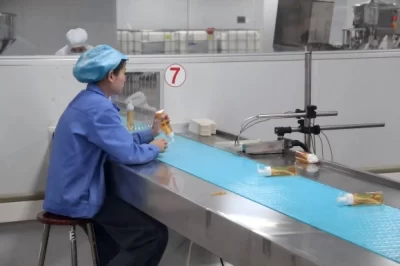
Finding the right Chinese private-label cosmetics manufacturer is half the battle for your brand’s success. Throughout this process, don’t just look for the “cheapest” quote; instead, seek a long-term strategic partner with solid R&D strength, stable production capacity, and a willingness to grow alongside your brand.
If you are planning your next blockbuster skincare or hair care product matrix, we recommend clarifying your target audience, preparing a detailed requirements list, and starting to send targeted inquiries to your preferred factories today!