
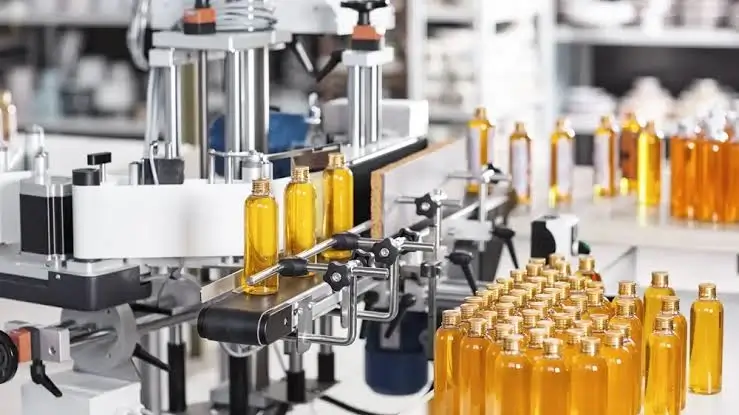
The global beauty industry is booming, driven by shifting consumer demands, clean beauty innovations, and the rise of independent brand founders. But behind every cult-favorite serum, hydrating moisturizer, or gentle cleanser sits an essential operation: a reliable skincare manufacturer.
Whether launching a boutique startup or scaling an established skincare brand, finding the right manufacturing partner is easily one of the most critical operational decisions you will make. Your manufacturer does not just mix ingredients in a vat; they safeguard your brand’s reputation, ensure product safety, maintain regulatory compliance, and directly impact your profit margins.
With thousands of facilities operating worldwide, evaluating potential partners and choosing the right one requires a structured approach. This guide breaks down everything you need to know about partnering with a top-tier skincare manufacturer, from understanding manufacturing models to vetting facilities and avoiding costly mistakes.
What Does a Skincare Manufacturer Do?
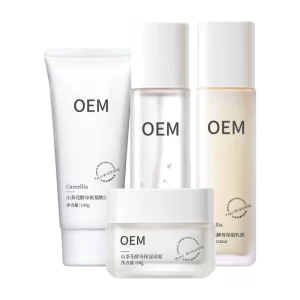
A skincare manufacturer is a specialized facility equipped with the technical expertise, equipment, and regulatory credentials required to create topical cosmetic and skincare products at scale. While brand founders focus heavily on marketing, brand identity, and distribution, the manufacturer manages the complex technical execution behind the scenes.
Core services provided by a professional skincare manufacturer typically include:
-
Research & Development (R&D): Formulating new products or refining existing formulations with qualified cosmetic chemists.
-
Ingredient Sourcing: Securing high-quality raw materials, active ingredients, botanical extracts, and preservatives from verified global suppliers.
-
Quality Control & Testing: Conducting micro-testing, stability testing, and compatibility testing to ensure formulas remain safe, effective, and shelf-stable over time.
-
Regulatory Compliance Support: Assisting with ingredient safety documentation (Safety Data Sheets / Certificates of Analysis), regulatory filings, and labeling guidelines for major markets (such as the US FDA or EU CPNP).
-
Batch Production & Filling: Mixing ingredients in controlled sanitary environments, filling containers (tubes, jars, airless pumps), and packaging finished goods for distribution.
Key Manufacturing Models: Private Label vs. Custom Contract Manufacturing
Before reaching out to a skincare manufacturer, you must clarify which production model best aligns with your brand strategy, timeline, and budget.
1. Private Label Manufacturing
Private label manufacturing involves choosing from a factory’s existing library of pre-formulated, pre-tested skincare products. You select a base formula, customize the packaging and labeling, and market the finished product under your brand name.
-
Best for: Startups, spas, dermatologists, or influencers who want to enter the market quickly with lower upfront capital.
-
Pros: Lower Minimum Order Quantities (MOQs), faster time-to-market, minimal initial R&D costs.
-
Cons: Limited formulation customization; competing brands can potentially market identical formulas.
2. Custom Contract Manufacturing (OEM/ODM)
Custom contract manufacturing involves developing a bespoke formula from scratch or making significant modifications to an existing formulation. You work directly with cosmetic chemists to select specific active ingredients, textures, scents, and clinical performance targets.
-
Best for: Brands seeking a distinct competitive moat, unique market positioning, or proprietary intellectual property (IP).
-
Pros: Complete formulation control, unique brand narrative, exclusive ownership of formulation IP.
-
Cons: Higher MOQs, longer development timelines (often 6 to 12 months), and substantial R&D testing fees.
Private Label vs. Custom Contract Manufacturing
| Feature | Private Label Skincare | Custom Contract Manufacturing |
| Development Timeline | 1 to 3 Months | 6 to 12+ Months |
| R&D & Sampling Costs | Low / Included in order | High ($1,500 – $5,000+ per formula) |
| Minimum Order Quantity (MOQ) | Low (50 – 500 units) | High (2,000 – 10,000+ units) |
| Formulation Ownership | Retained by Manufacturer | Retained by Brand Owner (upon agreement) |
| Market Differentiation | Moderate (Packaging-focused) | High (Proprietary Formula) |
Crucial Factors to Evaluate in a Skincare Manufacturer
Choosing a manufacturing partner is a long-term operational commitment. Evaluate prospective partners across these vital criteria before signing a contract:
1. Certifications and Regulatory Compliance
Top-tier skincare manufacturing facilities adhere to strict international quality standards. Never compromise on compliance. Essential credentials include:
-
ISO 22716 / Good Manufacturing Practices (GMP): Guarantees strict hygiene, batch tracking, and quality control throughout production.
-
FDA Registration & MoCRA Compliance: Mandatory for facilities manufacturing cosmetic products sold in the United States under the Modernization of Cosmetics Regulation Act.
-
Specialty Certifications: If you plan to market organic, vegan, or cruelty-free products, ensure the factory holds recognized credentials (such as USDA Organic, COSMOS, or Leaping Bunny compatibility).
2. Minimum Order Quantities (MOQs) and Scalability
MOQs dictate the minimum number of units you must order per production run. A low MOQ skincare manufacturer (offering 500 to 1,000 units per SKU) is ideal for testing new product lines without tying up excessive capital in inventory. However, confirm that the factory also possesses the machinery and labor to scale to 50,000+ units seamlessly as your sales volume expands.
3. In-House R&D and Chemist Expertise
A strong manufacturing partner does more than just blend ingredients; they solve formulation challenges. Look for facilities with dedicated in-house cosmetic chemists who actively track industry innovations—such as skin barrier repair complexes, microbiome-friendly ingredients, or sustainable encapsulation technologies—and can recommend stability improvements or cost optimizations.
4. Quality Assurance and Testing Capabilities
Skincare formulations contain water and active compounds, making them vulnerable to contamination or physical breakdown. Verify that your skincare manufacturer conducts comprehensive testing protocols:
-
Microbial Testing: Ensures raw materials and finished batches are free from harmful bacteria, mold, and yeast.
-
Stability & Freeze-Thaw Testing: Confirms the emulsion will not separate or discolor under varying environmental conditions over its shelf life.
-
Container Compatibility Testing: Verifies that active ingredients do not react negatively with the packaging material (e.g., leaching or degradation).
How to Onboard a Skincare Manufacturer Step-by-Step
Once you have narrowed down a shortlist of potential partners, follow this structured process to move from inquiry to final production:
-
Submit a Clear Product Brief: Outline your target product category, key active ingredients, desired texture/finish, target market retail price, and expected order quantities.
-
Request and Evaluate Lab Samples: Test bench samples thoroughly for skin feel, absorption rate, scent, and packaging performance across different skin types.
-
Review Technical & Safety Documentation: Prior to batch commitment, review the Certificate of Analysis (COA), Safety Data Sheets (SDS), and stability test results.
-
Run a Pilot Batch: Execute a smaller trial run (typically 100 to 500 units) to verify filling accuracy, packaging seal integrity, and batch consistency on production machinery.
-
Finalize Legal Agreements: Ensure your Master Services Agreement clearly defines IP ownership, production lead times, defect rate tolerances, and payment schedules.
Red Flags to Watch Out For
As you vet potential manufacturing partners, keep an eye out for these warning signs:
-
Reluctance to Provide Compliance Documentation: If a supplier hesitates to share ISO certificates, facility registration numbers, or ingredient COAs, proceed with extreme caution.
-
Vague Pricing and Hidden Fees: Ambiguity regarding setup charges, filling costs, or raw material markups can rapidly erode your profit margins.
-
Unusually Low Pricing Quotes: Suspiciously cheap quotes often indicate lower-grade raw ingredients, omitted stability testing, or compromised quality control.
-
Poor Communication: Protracted response times during initial inquiries usually worsen once production deposits are paid.
Building a Sustainable Manufacturing Partnership
Selecting the right skincare manufacturer is not a simple vendor transaction—it is a foundational partnership for your business. By prioritizing regulatory compliance, clear communication, rigorous quality testing, and scalable production capabilities, you position your beauty brand for sustainable growth and long-term customer trust.
Taking the necessary time to audit facilities, test multiple sample iterations, and establish transparent contractual terms will pay massive dividends as your product line expands in the marketplace.