
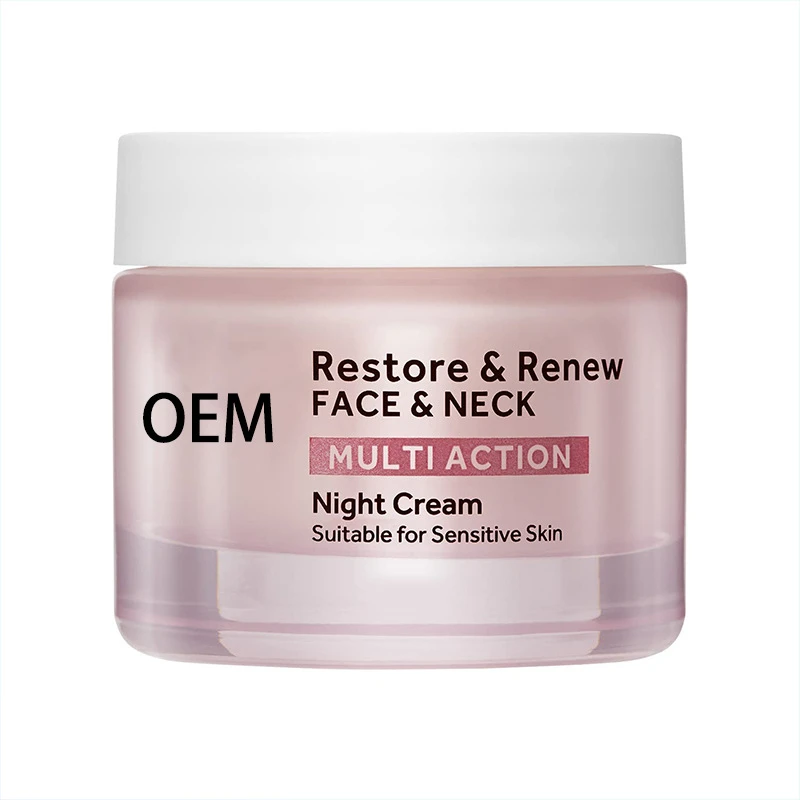
The global beauty market in 2026 is moving faster than ever. For indie beauty founders and cosmetics startups, the dream of launching a unique makeup or skincare line has never been closer. However, the road from a brilliant concept to a physical product is often blocked by a massive supply chain hurdle: Minimum Order Quantities (MOQs).
Traditionally, top-tier cosmetics manufacturers demanded orders of 10,000 to 20,000 units per Stock Keeping Unit (SKU). For a startup testing the waters, this means tying up tens of thousands of dollars in unsold inventory.
But here is the good news: the manufacturing landscape has shifted. Partnering with a reliable private label cosmetics low MOQ factory is no longer a compromise on quality. In fact, it is the exact strategy that today’s fastest-growing beauty brands use to scale rapidly with minimal risk.
This guide will deconstruct how low MOQ manufacturing works, why premium large-scale factories are now opening their lines to small batches, and how you can leverage this to launch your first successful batch.
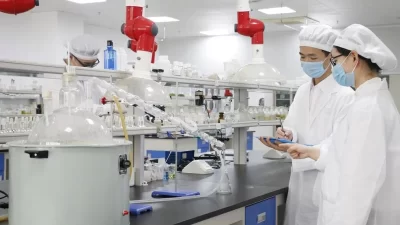
The Ultimate Startup Dilemma: Cash Flow vs. Inventory Risk
When launching a beauty brand, your primary goal is to test product-market fit. Investing heavily in massive inventory before validating your target audience’s preferences is a recipe for financial strain.
Choosing a low MOQ approach solves three critical pain points:
-
Capital Preservation: Instead of pouring 80% of your budget into manufacturing, you save precious capital for what actually drives sales—digital marketing, branding, and community building.
-
Agile Market Testing: If a specific lip gloss shade or serum formulation blows up on TikTok, you can pivot instantly. If a shade underperforms, your financial downside is negligible.
-
Reduced Storage Overhead: Small batches mean you don’t need to rent massive, temperature-controlled warehouse spaces to prevent products from expiring.
The Insider Secret: Why Premium Large Factories Now Offer Low MOQ Solutions
Many buyers mistakenly believe that a “low MOQ factory” implies a small, back-alley workshop with subpar quality control. In reality, modern, state-of-the-art cosmetic manufacturing hubs—particularly those in dominant supply regions like Guangdong—have actively optimized their operations for small batches.
Why are world-class factories willing to run orders of 500 or 1,000 units? It comes down to three operational shifts:
1. Flexible Agile Production Lines
Top manufacturers have invested heavily in lean manufacturing systems and modular, automated packaging lines. They can change filling nozzles, molds, and cleaning protocols in a fraction of the time it used to take. This drastically lowers the “setup cost” of a production run, making small batches profitable for the factory.
2. The “Nurturing the Next Unicorn” Strategy
Every global beauty giant started small. Premium factories recognize that today’s 500-unit startup could be tomorrow’s 500,000-unit retail powerhouse. By lowering the barrier to entry, factories build deep loyalty with emerging brands early on.
3. Smart Standardization of Raw Materials
Factories achieve economies of scale by manufacturing massive batches of high-demand, stable base formulations (e.g., standard hydrating serums, matte liquid lipsticks, or niacinamide creams). When you order low MOQ private label cosmetics, the factory uses these pre-tested, regulatory-compliant base formulas, allowing them to customize only the shade, fragrance, and external packaging for your brand.
Insider Tip: By choosing a large private label cosmetics low MOQ factory that manages both massive and agile lines, you secure a partner that can seamlessly scale with you from 500 units to 50,000 units without you ever having to switch suppliers.
How to Smartly Navigate Low MOQ Sourcing for Your First Batch
To successfully launch using a low MOQ framework without sacrificing your brand’s premium feel, you need a strategic approach to product development.
Step 1: Prioritize R&D-Proven Stock Formulations
Custom formulation (building a product from scratch in a lab) is expensive and requires high MOQs due to chemical blending minimums. Instead, look for a factory with a deep catalog of ready-to-market (stock) formulations. These formulas have already passed stability testing, microbial screening, and global regulatory checks, saving you thousands of dollars and months of development time.
Step 2: Strategic Component and Packaging Customization
While the formula inside might be standard, your brand identity comes from the packaging. To keep MOQs low, use the factory’s in-stock components (tubes, jars, bottles) and customize them via:
-
High-Quality Silk-Screen Printing: Clean, modern text printed directly onto standard bottles looks incredibly luxurious.
-
Custom Outer Paper Boxes: Printing custom boxes is highly cost-effective and instantly elevates the unboxing experience.
Step 3: Curate a Focused Multi-SKU Strategy
Instead of launching 20 shades of foundation, launch 3 to 5 universally flattering shades of a hero product (like a lip oil or a cream blush). This allows you to meet the factory’s per-shade MOQ while offering enough variety to look like a complete, professional brand.
Stock Formulations vs. Full Customization: A Quick Blueprint
To help you make the right structural decision for your supply chain, here is how the options compare when working with a flexible contract manufacturer:
| Feature | Stock Formulation (Low MOQ) | Full Custom Formula (High MOQ) |
| Typical MOQ | 500 – 1,000 units per SKU | 5,000 – 10,000+ units per SKU |
| Time-to-Market | 2 to 4 weeks | 4 to 9 months |
| Upfront R&D Costs | $0 (Included in unit price) | $1,500 – $5,000+ lab fees |
| Stability Testing | Already completed and certified | Requires 3+ months of active testing |
| Customization Level | High (Packaging, shade, scent) | Absolute (Unique ingredients, texture) |
Red Flags to Watch Out For in Low MOQ Sourcing
Not all low MOQ offers are created equal. When sourcing on B2B platforms, be vigilant about these common traps:
-
Hidden Fees: Some suppliers offer a low product MOQ but inflate the cost of printing plates, setup, or export documentation. Always ask for a fully itemized quote (FOB/DDP).
-
Lack of Certification: Ensure the factory operates under ISO 22716 and GMPC (Good Manufacturing Practices) standards. This is non-negotiable if you plan to sell in the US, EU, or UK.
-
Inconsistent Batch Quality: Request physical, pre-production samples of both the formula and the printed packaging before wire-transferring your deposit.
Build Your Beauty Empire from a Solid Foundation
Launching a cosmetics brand doesn’t require a fortune; it requires an intelligent supply chain partner. By leveraging a professional private label cosmetics low MOQ factory, you combine the rigorous quality, safety compliance, and advanced technology of a major manufacturing plant with the agility required to capture today’s fast-moving market trends.
Ready to Launch Your Custom Cosmetics Line?
We specialize in helping international indie beauty brands scale from small, high-impact initial batches to global retail placement. Our state-of-the-art facility offers a premium catalog of R&D-proven formulations with highly flexible packaging customization.
[Click here to chat directly via WhatsApp] or fill out our quick [Inquiry Form] to receive a free catalog, instant pricing breakdown, and sample kit options today!