
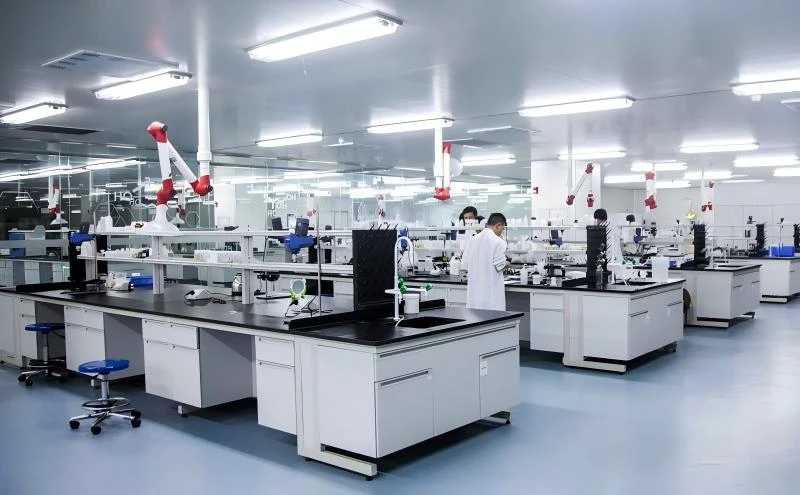
The global skincare market is undergoing a major shift. Consumers are no longer swayed by flashy marketing campaigns alone; they are highly educated, deeply analytical about ingredient lists, and focused on long-term skin health. For skincare brands, beauty entrepreneurs, and clinical lines, this means the battlefield has moved from the advertising dashboard to the factory floor.
Most successful beauty brands do not own manufacturing facilities. Instead, they scale by plugging into the advanced infrastructure of a professional skincare OEM/ODM factory. Finding the right partner allows you to focus on branding, community building, and distribution, while leaving the complex science, chemical engineering, and regulatory compliance to industry specialists.
This comprehensive guide breaks down everything you need to know about navigating the manufacturing landscape, aligning with modern consumer trends, and choosing a production partner built to scale your business.
1. Demystifying the Terminology: Private Label, OEM, and ODM
Before reaching out to manufacturers, it is essential to understand the distinct business models available. Choosing the wrong path can either drain your capital or limit your brand’s unique identity.
| Manufacturing Model | What It Means | Ideal For | Formula Ownership |
| Private Label / White Label | Rebranding an existing, pre-tested factory formula with your logo and custom packaging. | Startups, spas, and influencers needing a fast, low-MOQ market entry. | The Factory |
| OEM (Original Equipment Manufacturer) | The factory manufactures the product using your exact, custom-developed formula and specifications. | Established brands with internal R&D or proprietary formulations looking for scale. | The Brand |
| ODM (Original Design Manufacturer) | The factory handles everything: R&D, custom formulation engineering, raw material sourcing, and manufacturing based on your conceptual brief. | Brands wanting completely custom, unique products without hiring full-time chemists. | Negotiable / Shared |
Selecting between Private Label, OEM, and ODM depends entirely on your budget, timeline, and how much formula differentiation your target audience demands.
2. Dynamic Skincare Manufacturing Trends Driving Brand Value
To maintain top-tier topical authority and secure high search visibility on Google, your product lineup must reflect real-time market demands. High-performing factories are currently optimizing their manufacturing lines around several core pillars:
Barrier-First & Neurocosmetics Formulations
Aggressive, high-concentration active treatments are seeing diminishing returns. The market is shifting heavily toward skin barrier reinforcement, lipid replenishment, and microbiome support. Additionally, neurocosmetics—skincare designed to address the skin-brain connection via stress-reducing, sensory-rich textures (like gel-to-water emulsions or adaptive cloud creams)—are redefining user engagement.
“Skinification” of Body and Hair Care
The dividing lines between facial skincare, body care, and hair care have completely dissolved. Consumers now expect face-grade active ingredients—such as encapsulated retinol, niacinamide, ceramides, and advanced peptides—inside their body serums, scalp treatments, and daily lotions.
Clean Chemistry and Sustainable Supply Chains
Sustainability is no longer an optional marketing badge; it is a regulatory and retail requirement. Leading OEM/ODM partners are integrating upcycled raw materials, fermentation-derived ingredients, bio-based preservation systems, and biodegradable or highly recyclable packaging options directly into their standard offerings.
3. The Step-by-Step Journey: From Concept to Mass Production
A reliable manufacturing process is a highly coordinated system of engineering. Misordering steps or cutting corners during development can lead to batch instability, skin irritation complaints, or costly product recalls.
Below is the verified workflow used by premium skincare factories to transition a conceptual product brief into a market-ready shipment:
4. How to Vet a Skincare Manufacturer: Meeting Gold Standards
Supplier Comparison: Certifications and US Market Access
If you are selling guide to choosing a private label skincare oem/odm factory into the United States, the certification list is where supplier tiers separate most sharply. The table below compares what each level of compliance investment actually covers, and what it still leaves you responsible for.
| Requirement | What it covers | Who it applies to | Who maintains it |
|---|---|---|---|
| ISO 22716 | Good Manufacturing Practice for cosmetics | Factory | Factory, audited annually |
| FDA facility registration | Listing cosmetics manufacturing and repacking sites | Factory in the US facility listing | Factory, renewed biennially |
| MoCRA Responsible Person | Named US party accountable for adverse event reporting | Brand owner / importer | Brand owner, not the factory |
| Cosmetic product labelling (MoCRA) | Safety substantiation, accurate ingredient and net-content declarations | Brand owner | Brand owner |
| Prop 65 assessment | California-specific exposure risk labelling | Brand owner selling into California | Brand owner |
| COA per batch | Identity, purity and microbiological results for each lot | Brand owner / ingredient buyer | Factory, issued per shipment |
The most common failure we see is a factory holding a valid ISO certificate while the brand owner has never appointed a US Responsible Person. Ask specifically who holds that role.
Want numbers for your own product? Send us your target category,
packaging preference and estimated annual volume, and we will come back with a written quotation and MOQ options —
usually within one business day.
search algorithms prioritize content that demonstrates high(Experience, Expertise, Authoritativeness, and Trustworthiness), especially in niches tied to physical wellness and cosmetics. When sourcing or writing about a manufacturer, verifying these strict industry credentials separates professional operations from substandard facilities.
The Quality Control Rule: A lower per-unit cost should never override a factory’s certification status. Inconsistent batch quality or contamination risks will destroy customer retention and brand equity instantly.
When auditing potential OEM/ODM partners, evaluate them across four non-negotiable criteria:
1. International Standard Certifications
Ensure the facility holds up-to-date ISO 22716 (Good Manufacturing Practices for Cosmetics) and GMPC certifications. These frameworks dictate strict cleanroom air filtration, water purification systems, and batch traceability codes.
2. R&D Capabilities and Scientific Alliances
A factory is only as good as its laboratory. Ask about their custom formulation history, patented delivery systems (such as liposomal encapsulation), and whether they collaborate with external scientific research institutions or independent dermatological labs.
3. Supply Chain Integrity & Ingredient Traceability
A trustworthy factory must provide full documentation for all raw materials, including Certificate of Analysis (COA) sheets, Material Safety Data Sheets (MSDS), and cruelty-free or organic verifications where applicable. This transparency is crucial for your brand’s regulatory filings and marketing claims.
4. Minimum Order Quantities (MOQ) and Scalability
Startups often require flexible, lower MOQs (e.g., 1,000 to 3,000 units per SKU) to preserve working capital. However, ensure the factory possesses the industrial capacity, high-speed emulsifiers, and automated filling lines required to scale seamlessly to tens of thousands of units as your market demand surges.
Conclusion: Choosing a Partner Built for Your Brand’s Future
Launching or growing a beauty brand requires a balance of market execution and chemical reliability. By shifting production responsibility to a certified, trend-aware skincare OEM/ODM factory, you insulate your business from operational bottlenecks, equipment depreciation costs, and complex laboratory hiring.
The most competitive products hitting retail shelves are those where rigorous engineering meets human-centric, sensory design. When choosing your partner, look past simple catalogs and generic templates—look for a collaborative team whose technical expertise, quality benchmarks, and manufacturing capacity align directly with your long-term business vision.