
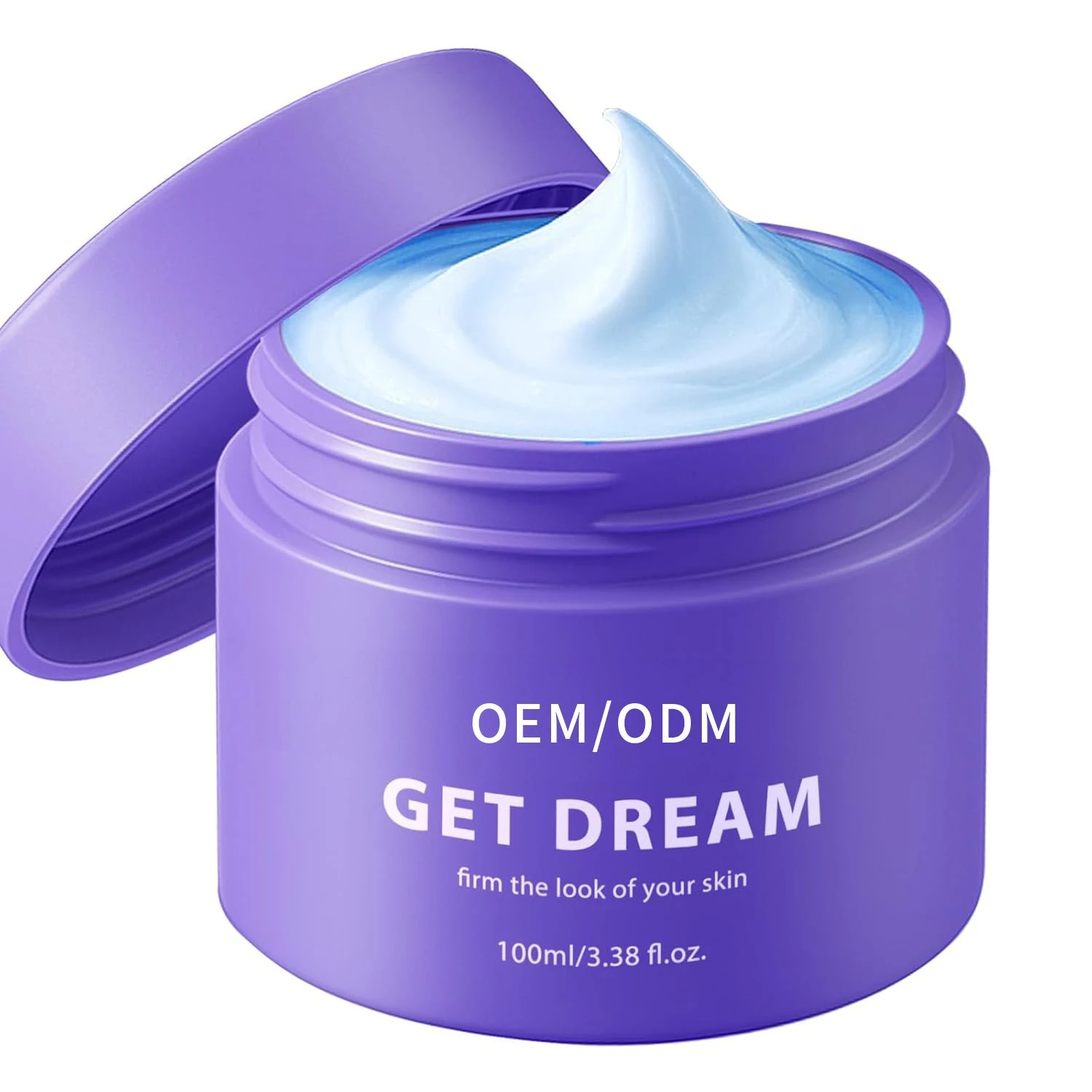
The global skincare market is experiencing an unprecedented shift. Driven by clean beauty trends, clinical formulations, and agile indie brands, the demand for high-quality custom skincare products has never been higher. However, bringing a unique skincare line to life requires more than just a vision; it demands a deep understanding of the manufacturing backend.
For beauty entrepreneurs, brand founders, and sourcing managers, navigating the world of contract manufacturing can be overwhelming. Choosing between standard formulas and bespoke chemistry, evaluating factory compliance, and managing supply chains requires precise technical knowledge.
This comprehensive guide breaks down everything you need to know about OEM/ODM sourcing for custom skincare, ensuring your next product launch is compliant, scalable, and highly profitable.
1. Demystifying the Industry: OEM vs. ODM Explained
Before reaching out to a global manufacturing hub, you must define the exact business model your brand requires. Contract manufacturing in the cosmetics industry is fundamentally split into two paths: OEM and ODM.
OEM (Original Equipment Manufacturer)
Under an OEM partnership, the brand provides the exact formulation, specifications, and packaging designs. The factory acts strictly as the production facility, leveraging its advanced machinery, mixing tanks, and cleanrooms to manufacture and fill the product according to your exact blueprint.
-
Best For: Established brands with an in-house R&D (Research & Development) team, proprietary formulations, or patented ingredients looking to scale production capacity.
ODM (Original Design Manufacturer)
An ODM partner offers a full-service, turnkey solution. The manufacturer handles everything from raw material sourcing and product formulation to packaging selection and regulatory testing. Brands can choose from thousands of market-tested, “ready-to-go” stock formulas (Private Label) or work alongside the factory’s chemists to tweak an existing base formula (Custom ODM).
-
Best For: Startup founders, indie beauty brands, and businesses looking to enter the market quickly without investing heavily in independent laboratory setups.
2. The Step-by-Step Sourcing Workflow
Developing a custom skincare product from scratch is an exact science where sequence dictates success. Skipping a single stability test or rushing a packaging compatibility phase can result in catastrophic product recalls or separated emulsions down the line.
3. How to Evaluate and Choose the Right Skincare Manufacturer
The success of your brand rests entirely on your manufacturer’s operational standards. When vetting potential facilities, look past superficial marketing and audit their physical capabilities, raw material supply networks, and quality control systems.
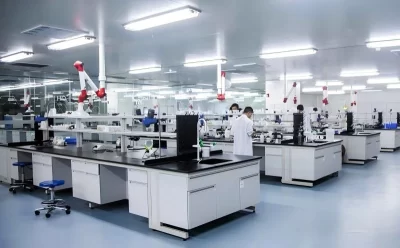
A tier-1 skincare factory must demonstrate robust infrastructure, explicit regulatory compliance, and verified automated capabilities to handle large-scale orders seamlessly.
Core Evaluation Matrix
When auditing a factory, use this checklist to cross-verify their operational compliance against industry standards:
| Evaluation Criteria | Industry Gold Standard | Why It Matters |
| Certifications | ISO 22716, GMPC (Good Manufacturing Practices for Cosmetics) | Guarantees the factory operates under strict sanitary conditions to prevent microbial contamination. |
| R&D Capabilities | In-house laboratory with dedicated cosmetic chemists | Allows for custom adjustments, troubleshooting separation issues, and reverse-engineering complex textures. |
| MOQ Flexibility | 3,000 to 5,000 units per SKU | High minimum order quantities (MOQs) are standard for custom formulas due to large industrial mixing tank capacities. |
| Supply Chain Proximity | Located within major cosmetics industrial clusters (e.g., Guangzhou Baiyun hub) | Grants immediate, cost-effective access to raw material suppliers, specialized packaging plants, and logistics networks. |
4. Navigating Formulations: Stock vs. Custom Chemistry
One of the biggest financial decisions you will make is choosing between a pre-formulated stock base and a completely customized chemical profile.
The Private Label / Stock Formula Route
Manufacturers maintain libraries of stable, market-ready formulas for cleansers, serums, and moisturizers. These have already undergone extensive stability testing, meaning you can skip the expensive R&D phase and go straight to packaging design.
-
Pros: Low upfront costs, faster time-to-market, low technical risk.
-
Cons: Limited product differentiation; competing brands may launch identical formulas under different labels.
The Bespoke / Custom Formulation Route
If you want to introduce a unique texture, a proprietary plant extract, or specific clinical claims, custom chemistry is mandatory. This requires a dedicated R&D budget and a deep understanding of cosmetic synergy—ensuring that active ingredients do not cancel each other out or cause skin irritation.
-
Pros: Complete IP (Intellectual Property) ownership, unique marketing angles, and targeted efficacy.
-
Cons: Higher MOQs, extensive lead times, and upfront R&D testing fees.
5. Regulatory Compliance & Quality Assurance
Supplier Comparison: Shipping Terms and Delivered Cost
Landed cost is where sourcing projects most often lose their margin, because quotes are usually compared on an FOB basis. This table sets out the four Incoterms you will be quoted, and what each one means for your landed cost and your exposure in transit.
| Term | Who arranges freight | Who bears import duty | Where risk transfers | Typical use |
|---|---|---|---|---|
| EXW | You | You | At the factory gate | Sample shipments and small pilot runs |
| FOB | You, using the factory’s forwarder | You | On board the vessel | Consolidator shipments via Shenzhen / Nansha |
| CIF | Factory | You | On board the vessel | Sea freight with the factory arranging insurance |
| DDP | Factory | Factory, within agreed scope | At your door | Air or express orders where speed matters |
For the complete oem/odm sourcing guide for custom skincare prod shipments at typical startup volumes, FOB is usually the cheapest workable option. Budget an additional 8–15% on top of the FOB value for freight, duty and clearance before you compare supplier quotes against a US or EU retail price point.
Want numbers for your own product? Send us your target category,
packaging preference and estimated annual volume, and we will come back with a written quotation and MOQ options —
usually within one business day.
guidelines place a massive premium on Trustworthiness and Expertise, especially when discussing products that affect consumer health and skincare. To position your brand authoritatively and pass global custom clearance, your sourcing strategy must be rooted in strict regulatory compliance.
Document Checklist for Global Compliance
Every reputable OEM/ODM factory must supply a comprehensive documentation package for every single batch produced. Never work with a facility that hesitates to provide the following papers:
-
MSDS (Material Safety Data Sheet): Breaks down the chemical composition, hazard identification, and handling safety rules for the bulk liquid.
-
COA (Certificate of Analysis): A batch-specific document verifying that the physical and chemical properties (pH levels, heavy metal limits, viscosity, and microbial count) match safety standards.
-
INCI List (International Nomenclature of Cosmetic Ingredients): The standardized, legally compliant ingredient list required for product labels, ordered from highest concentration to lowest.
Industry Insight on Clean Beauty Compliance: If you plan to market your products as “Clean,” “Organic,” or “Cruelty-Free,” your manufacturer must maintain separate ingredient tracking logs to prove zero cross-contamination with banned substances, sulfonates, or synthetic colorants during production.
Summary: Securing a Successful B2B Sourcing Partnership
Sourcing custom skincare products via OEM/ODM channels is a highly strategic move that allows brands to leverage world-class manufacturing infrastructure without building multi-million dollar facilities. By choosing a factory with rigorous GMPC standards, setting a realistic 12-to-16-week timeline, and insisting on exhaustive stability testing, you ensure your product launch is built on a foundation of safety, efficacy, and commercial scalability.
Ready to transform your cosmetic vision into a market-disrupting product line? Contact our expert B2B consulting team today to request a custom formulation sample or get a direct manufacturing quote for your project.
Ready to verify our standards?