
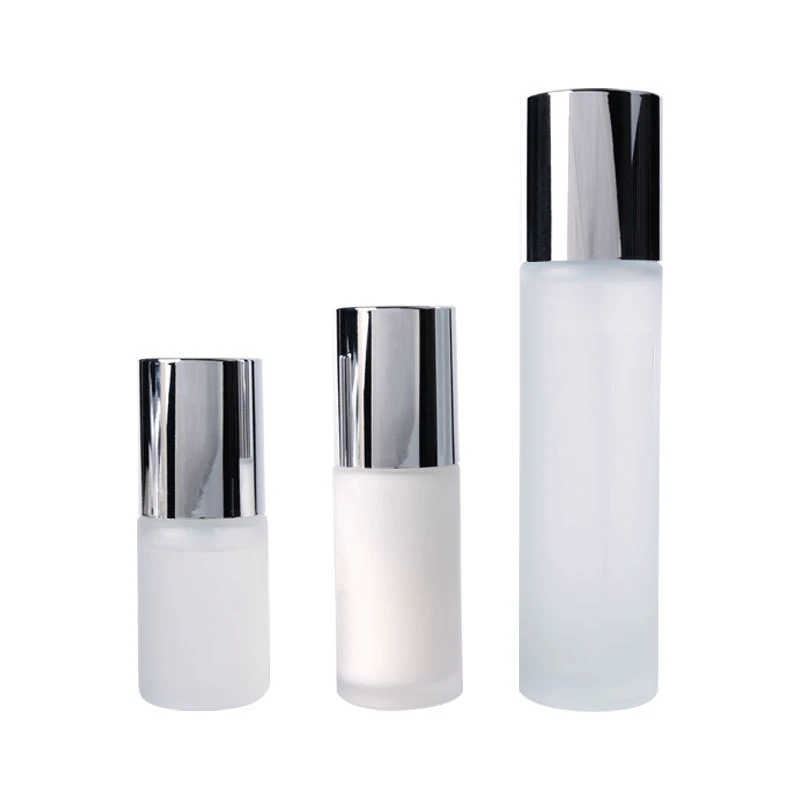
The global beauty and skincare industry is expanding at an unprecedented pace. For emerging brands and established enterprises alike, bringing high-quality products to market quickly and cost-effectively is the ultimate goal. To achieve this, partnering with a top-tier China cosmetics OEM factory is one of the most strategic moves your business can make.
However, with thousands of manufacturers operating in major industrial hubs like Guangdong, finding a partner that aligns with your brand’s quality standards, compliance needs, and scaling goals can be challenging.
This comprehensive guide breaks down everything you need to know to select the ideal cosmetic manufacturing partner in China.
Understanding the Basics: Cosmetics OEM vs. ODM
Before diving into the selection process, it is crucial to understand the exact type of manufacturing service your business requires. Most major factories offer two primary options:
| Service Type | What It Means | Ideal For |
| OEM (Original Equipment Manufacturer) | The factory manufactures products based entirely on your existing formulas, specifications, and designs. | Brands that already have proprietary formulations and want to outsource production. |
| ODM (Original Design Manufacturer) | The factory handles everything from R&D, custom formulation, testing, to final packaging based on your concept. | Startups or brands looking to launch curated private-label lines without investing heavily in formula development. |
Why Partner with a China Cosmetics OEM Factory?
China has solidified its position as the global powerhouse for cosmetics contract manufacturing. Partnering with a specialized factory offers distinct competitive advantages:
-
Unmatched Supply Chain Efficiency: From raw material sourcing (like specialized botanical extracts and active ingredients) to advanced packaging solutions (bottles, pumps, and eco-friendly tubes), the entire ecosystem is interconnected. This significantly reduces lead times.
-
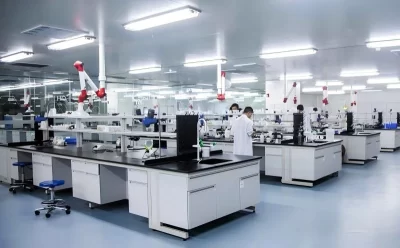
Advanced R&D and Innovation: Leading Chinese factories house state-of-the-art laboratories and collaborate with international dermatologists to develop cutting-edge formulas, such as clean beauty, sulfate-free shampoos, and high-performance hair dyes.
-
Scalability & Cost-Effectiveness: Automated production lines allow factories to maintain highly competitive pricing while easily scaling production from initial small-batch testing (low MOQs) to mass market volumes.
Key Factors to Evaluate When Choosing a Factory
To ensure your brand’s reputation remains spotless, you must rigorously vet potential manufacturing partners. Focus on these four pillars:
1. International Certifications and Compliance
Never compromise on regulatory standards. A reputable China cosmetics OEM factory must comply with international markets (US, EU, ASEAN). Ensure they hold the following certifications:
-
ISO 22716: The international standard for Good Manufacturing Practices (GMP) for cosmetics.
-
GMPC (US/EU): Guidelines for Good Manufacturing Practice of Cosmetic Products.
-
Testing and Documentation: The factory should provide full MSDS (Material Safety Data Sheet), COA (Certificate of Analysis), and heavy metal/microbiological test reports.
2. Strong Quality Control (QC) Systems
A reliable manufacturer enforces strict quality control at every stage of production. Ask the factory about their protocols for:
-
IQC (Incoming Quality Control): Testing raw materials and packaging before production begins.
-
IPQC (In-Process Quality Control): Monitoring formulas during mixing and filling.
-
FQC (Final Quality Control): Inspecting finished goods before dispatch to guarantee consistency in color, texture, and stability.
3. Custom Formulation & R&D Capabilities
If you want your brand to stand out, avoid “cookie-cutter” formulas. Partner with a factory that boasts a dedicated R&D team capable of reverse-engineering formulas, optimizing texture, and customizing active ingredient concentrations to meet your target market’s demands.
4. Transparent Communication & Export Experience
Language barriers and poor communication can stall product launches. Look for factories with dedicated international B2B sales teams who understand global logistics, customs clearance, and the specific labeling laws of your destination country.
The Step-by-Step OEM Manufacturing Process
Working with a professional cosmetics manufacturer generally follows a structured, efficient timeline:
-
Initial Consultation & Briefing: You share your product concept, target audience, budget, and performance requirements.
-
Sample Development: The factory’s R&D lab creates custom samples for your evaluation (feedback on scent, texture, and efficacy).
-
Packaging Design & Selection: Sourcing matching bottles, jars, or pumps and finalizing the artwork layout.
-
Contract & Deposit: Finalizing pricing, minimum order quantities (MOQs), and production timelines.
-
Mass Production & Filling: Bulk manufacturing of the formula followed by automated filling, sealing, and batch coding.
-
QC Inspection & Shipping: Final laboratory checks before the cargo is securely packed for global sea or air freight.
Frequently Asked Questions (FAQ)
Q1: What is the average MOQ for a China cosmetics OEM factory?
A: Minimum Order Quantities (MOQs) typically range from 3,000 to 10,000 pieces per SKU, depending on the product type and packaging requirements. Specialized items like custom-molded bottles or complex hair dye formulas may require higher MOQs, while standard skincare formulations might have lower entry barriers for initial test batches.
Q2: How can I ensure the cosmetic products comply with my country’s regulations (e.g., FDA or EU regulations)?
A: You should only partner with factories that hold GMPC and ISO 22716 certifications. A professional exporter will provide all necessary documentation—including MSDS, COA, and stability test reports—to ensure smooth custom clearance and registration with regulatory bodies like the US FDA or European CPNP.
Q3: Can I get product samples before placing a bulk OEM order?
A: Yes, reputable manufacturers always provide pre-production samples. The R&D team will adjust the formula’s texture, color, and scent based on your feedback. Bulk production will only begin after you have officially tested and signed off on the approved sample.
Q4: How long does the typical cosmetics OEM production turnaround take?
A: The standard production lead time is usually 25 to 45 days after the formulation is finalized, packaging designs are approved, and the deposit is received. Custom packaging manufacturing or sourcing specialized raw materials can occasionally extend this timeline.
Q5: Can a Chinese cosmetics factory help with packaging sourcing and design?
A: Absolutely. Most top-tier factories operate within robust industrial clusters, allowing them to source a wide variety of packaging materials (tubes, pumps, glass jars, eco-friendly plastics) at competitive prices. They can handle the entire one-stop integration of formulation, filling, and packaging layout.
Elevate Your Brand with the Right Manufacturing Partner
Finding the right China cosmetics OEM factory is more than just sourcing a supplier—it is about choosing a long-term growth partner. By prioritizing compliance, robust R&D, and stringent quality control, you ensure that every product leaving the line perfectly reflects your brand’s vision.
Ready to bring your cosmetics line to life?
We specialize in high-quality B2B cosmetics OEM/ODM services, offering custom formulation, advanced packaging solutions, and full global compliance. [Chat with us on WhatsApp to get a custom quote and free samples!]