The global beauty and skincare market is projected to surpass $650 billion, and the barrier to entry has never been lower—or more strategic. If you are planning to launch a private label skincare brand in 2026, the most critical question you face is: How much upfront capital do I actually need?
The short answer is that it depends heavily on your launch model. A lean, on-demand private label launch can cost as little as $1,000 to $5,000, while a fully customized, premium mid-tier skincare line requires an investment between $25,000 and $75,000.
This comprehensive guide breaks down the realistic costs of starting a private label skincare line in 2026, including formulation, manufacturing, packaging, and the latest regulatory compliance requirements.
The 3 Launch Models: Budget Overview
Before diving into individual line items, you must choose your business model. In 2026, skincare development generally falls into three budget tiers:
| Launch Tier | Typical Cost Range | Best For |
| Lean / On-Demand Launch | $1,000 – $5,000 | Influencers, niche marketers, and testing a proof of concept with minimal risk. |
| Standard Private Label (ODM) | $8,000 – $25,000 | Serious entrepreneurs using pre-validated stock formulas with custom branding and packaging. |
| Full Custom Formulation (OEM) | $50,000 – $150,000+ | Brands looking to create proprietary, highly differentiated formulas with functional actives. |
Detailed Breakdown of Skincare Startup Costs
To build an accurate business plan, you need to understand where every dollar goes. Here is a granular look at the true cost of launching a private label skincare product in 2026.
1. Product Development & Formulation
If you choose a traditional ODM (Original Design Manufacturer) route, you use pre-existing, laboratory-tested stock formulations.
-
Stock Formulations: $0 – $1,500. Most private label manufacturers offer a catalog of pre-made cleansers, serums, and moisturizers for free or for a minor sample fee ($300).
-
Custom OEM Formulations: $2,000 – $15,000 per SKU. If you want to adjust active ingredients, scents, or textures to create a proprietary formula, you must pay for chemist fees and custom R&D.
2. Mandatory Testing and Regulatory Compliance (MoCRA)
In 2026, regulatory compliance is no longer a late-stage checkpoint—it is a mandatory upfront cost. The FDA’s Modernization of Cosmetics Regulation Act (MoCRA) is fully enforced.
-
Safety Substantiation & Listing: While there is no direct FDA fee to list products, you must invest $1,000 to $3,000 per SKU for professional safety reviews, microbial challenge testing, and stability testing (ensuring your product has a valid shelf life).
-
Small Business Exemption: If your average gross sales are under $1 million, you may be exempt from certain facility registrations, but you must still prove safety substantiation and maintain proper allergen labeling.
3. Manufacturing and Minimum Order Quantities (MOQs)
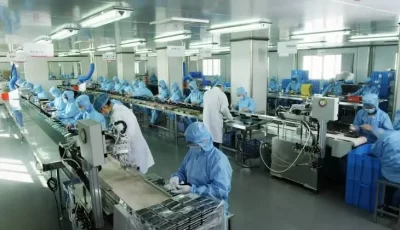
Your biggest manufacturing cost driver is the MOQ imposed by contract manufacturers.
-
Low-MOQ Private Label: Some modern labs allow orders as low as 100 to 500 units per SKU. If a serum costs $4 to manufacture, a 500-unit run will cost $2,000.
-
Standard Industrial MOQ: Traditional high-quality cosmetics factories usually require 1,000 to 5,000 units per SKU. Launching a basic 3-product routine (Cleanser, Serum, Moisturizer) at 1,000 units each easily pushes inventory costs to $12,000 – $20,000.
4. Packaging and Sustainable Labeling
2026 consumers heavily favor eco-friendly, sustainable packaging (glass, PCR plastics, refillable components).
-
Stock Packaging: Choosing standard bottles and jars keeps costs low at $0.50 – $1.50 per unit.
-
Custom Molds: If you want a completely unique bottle shape, custom tooling and injection molds add an extra $2,000 to $10,000 upfront.
-
Labeling & Design: Expect to spend $500 – $1,500 for a professional packaging designer to ensure your labels comply with FDA 2026 font and allergen disclosure rules.
5. Branding, E-Commerce, and Marketing Setup
A great product won’t sell itself. A realistic budget must account for your digital storefront and customer acquisition.
-
Branding & Visual Identity: $500 – $2,500 (Logo, color palette, brand guidelines).
-
E-commerce Platform: $500 – $2,000 (Shopify setup, premium themes, domain, and custom secure payment gateways).
-
Initial Marketing Budget: $2,000 – $5,000. This covers User-Generated Content (UGC) creation, influencer product gifting, and initial paid ad testing on platforms like Meta and TikTok.
Sample Budget Blueprint: Launching a 3-Product Line
If you aim for a professional, competitive mid-tier launch using pre-validated formulas with custom branding, your initial ledger will look approximately like this:
Product Samples & R&D ───────────── $500
Inventory Production (3 SKUs x 500 units) ── $6,500
Compliance & Stability Testing ───── $2,000
Packaging & Label Printing ───────── $1,500
Branding & Website Development ────── $1,200
Initial Marketing & Launch Ads ───── $2,500
─────────────────────────────────────────────
TOTAL ESTIMATED STARTUP CAPITAL:    $14,200
Strategic Tips to Lower Your Capital Requirements
-
Start with a Single “Hero” Product: Instead of launching an entire 5-step skincare routine, focus your capital on one highly effective, high-margin product (like a specialized vitamin C or hyaluronic acid serum).
-
Leverage Pre-Validated Formulas: Avoid custom R&D fees. Reputable OEM/ODM factories have catalogs of clinical-grade formulas that have already passed stability and microbial testing.
-
Prioritize Digital Traffic Over Paid Ads: Build an audience organically through TikTok, Instagram reels, and SEO-optimized blog content before sinking thousands into competitive paid ad auctions.
Frequently Asked Questions (FAQ)
Is a skincare business profitable in 2026?
Yes. Skincare remains one of the highest-margin sectors in the beauty industry. Private label skincare products typically carry gross margins between 70% and 80%. If a product costs $4 to manufacture, it commonly retails for $25 to $35.
What are the MoCRA requirements for small skincare brands?
If your beauty brand generates less than $1 million in annual revenue, you are considered a small business by the FDA. You are exempt from full facility registration and product listings, but you are legally required to provide adequate safety substantiation for your formulas and comply with updated fragrance allergen labeling rules.
Can I start a skincare line with $1,000?
Yes, via dropshipping or print-on-demand private label vendors. However, your profit margins will be lower, and you will have minimal control over the packaging and formulation. For a standalone, branded business, a realistic minimum budget is around $5,000 to $10,000.
How long does it take to launch a private label skincare brand?
Using stock private label formulas typically takes 3 to 6 months from initial sampling to final production. If you choose custom OEM formulation, the process can take 9 to 18 months due to extended R&D, stability testing, and regulatory documentation phases.
Ready to bring your cosmetics line to life?
We specialize in high-quality B2B cosmetics OEM/ODM services, offering custom formulation, advanced packaging solutions, and full global compliance. [Chat with us on WhatsApp to get a custom quote and free samples!]