
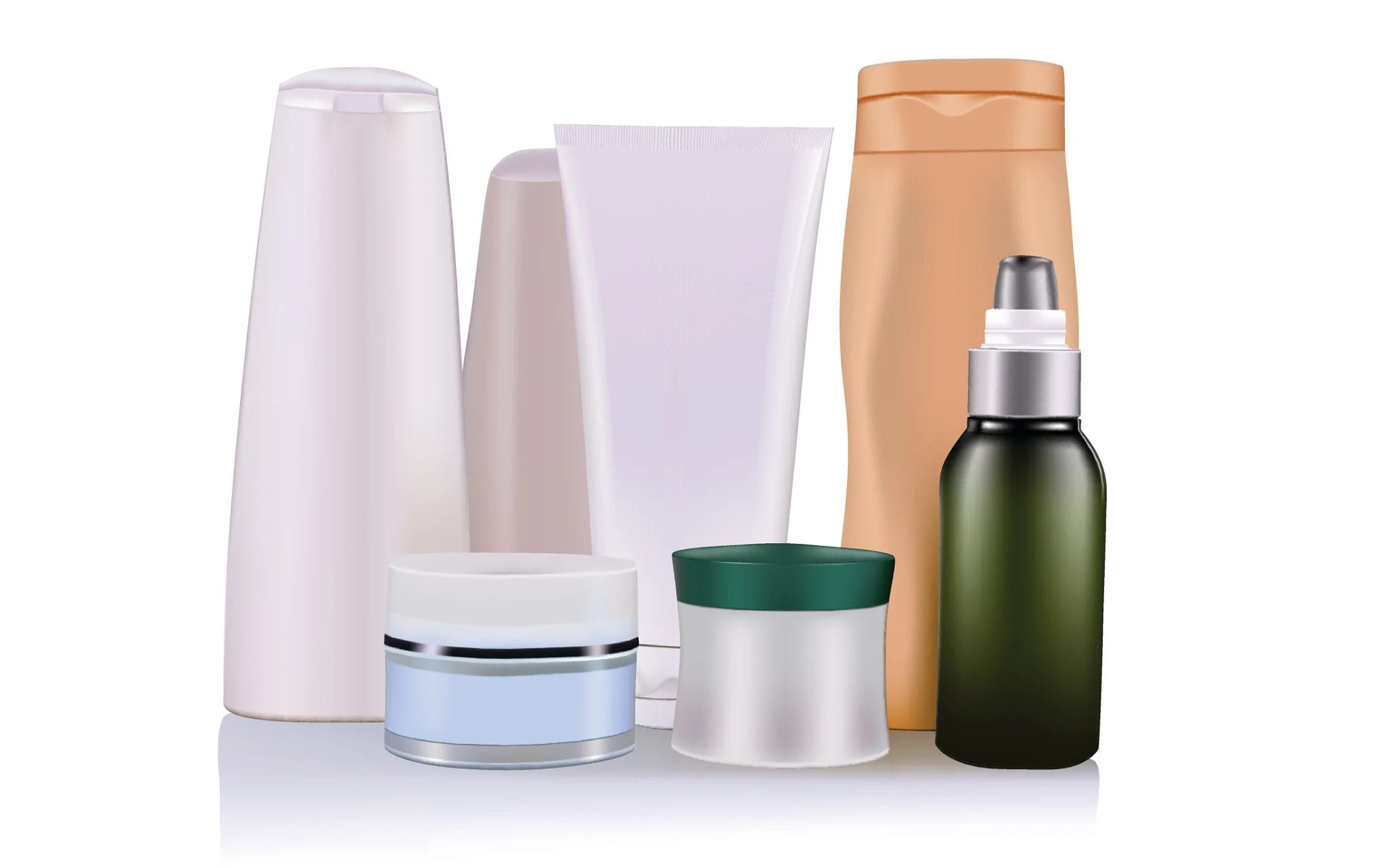
The global beauty and skincare market is expanding rapidly, with brands constantly seeking agile, high-quality, and cost-effective production partners. If you are launching a skincare line or scaling an existing brand, your search will inevitably lead you to China’s ultimate cosmetics capital: Guangzhou.
Finding a reliable private label skincare manufacturer in Guangzhou is one of the most strategic moves a B2B beauty brand can make. Guangzhou, particularly districts like Baiyun and Huadu, hosts the world’s most dense ecosystem of cosmetics raw material suppliers, packaging designers, and state-of-the-art automated factories.
This comprehensive guide breaks down why Guangzhou remains the global hub for skincare OEM/ODM, how to evaluate factory capabilities, and the exact steps to transition your product concepts into market-ready formulations.
Why Guangzhou is the Global Epicenter for Skincare Manufacturing
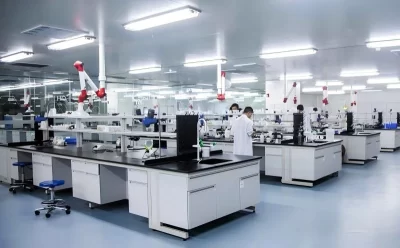
Guangzhou’s dominance in the beauty supply chain is not an accident. It is the byproduct of decades of industrial clustering, infrastructure investment, and technological refinement. Events like the China (Guangzhou) International Beauty Expo (CIBE) showcase thousands of top-tier source factories under one roof, bridging upstream raw material innovation with global cross-border brands.
When you partner with a private label skincare manufacturer in Guangzhou, you tap into several unmatched competitive advantages:
-
Complete Supply Chain Synergies: Within a 30-mile radius, factories have direct access to premium chemical suppliers, innovative packaging specialists, and third-party testing labs. This geographical density dramatically compresses lead times.
-
Advanced Formulation R&D: Modern Guangzhou manufacturers are no longer just compounding basic creams. They invest heavily in biomedical research, exploring active ingredients like specialized polypeptides, fermented plant extracts, and advanced anti-aging complexes.
-
Unrivaled Cost Efficiency: Scale economies allow these facilities to maintain razor-thin production margins while utilizing the same high-end European or Japanese manufacturing equipment found in luxury labs.
OEM vs. ODM: Which Manufacturing Model Fits Your Brand?
Before reaching out to a factory, you must determine your product development approach. Most facilities in Guangdong operate on two primary models: OEM (Original Equipment Manufacturer) and ODM (Original Design Manufacturer).
| Feature | OEM (Original Equipment Manufacturing) | ODM (Original Design Manufacturing) |
| Formula Ownership | Provided by the buyer or custom-developed. | Pre-formulated by the manufacturer’s lab. |
| Packaging & Design | Buyer provides complete specs and sourcing. | Factory assists with trend-aligned packaging templates. |
| Time-to-Market | Longer (requires rigorous custom batch testing). | Fast (uses pre-tested, stable base formulations). |
| Upfront Investment | High R&D and specialized tooling costs. | Minimal initial setup fees; optimal for startups. |
| Target Audience | Established brands with in-house formulation expertise. | E-commerce brands, influencers, and expanding portfolios. |
For brands looking for a turnkey solution, a private label skincare manufacturer in Guangzhou offering ODM services is highly efficient. They provide thousands of mature, market-proven formulas—ranging from rice water toners to hydrogel eye patches—allowing you to print your logo directly onto premium packaging with minimal delay.
The Step-by-Step Sourcing Workflow
Developing a skincare product across borders requires a systematic, structured process to ensure quality consistency and regulatory alignment. Skipping a single step can lead to unstable formulas or compliance rejections in your target market.
Critical Quality Standards and Certifications to Verify
Skincare products are applied directly to the body, meaning overseas regulatory bodies hold them to strict public health safety metrics. When vetting a private label skincare manufacturer in Guangzhou, do not judge them solely on their showroom. Demand verified proof of the following international certifications:
GMPC (Good Manufacturing Practices for Cosmetics): Essential for exporting to the United States and ASEAN nations. It guarantees that the production environment maintains rigid airborne particulate and microbial controls.
ISO 22716:2007: The global benchmark for cosmetics manufacturing hygiene, covering everything from raw material intake to finished product storage workflows.
If a manufacturer hesitates to provide updated copies of these certificates alongside their business registration, conclude your discussions immediately. Top-tier Guangzhou facilities keep these documents transparently accessible for international auditing.
Strategic Negotiation: Managing Minimum Order Quantities (MOQs)
One of the largest hurdles for emerging beauty brands is the Minimum Order Quantity. In skincare manufacturing, MOQs exist because production machinery requires a baseline volume of ingredients to operate efficiently inside massive vacuum emulsification mixers.
-
Stock Formulations (White Label): If you use the factory’s pre-existing formulas and standard stock packaging, MOQs can be exceptionally beginner-friendly, sometimes starting at just 500 to 1,000 pieces per SKU.
-
Custom Formulations (OEM): If you demand a highly bespoke formula—such as custom-scented botanical hair dyes or specialized organic sheet masks—the MOQ typically scales to 3,000 or 5,000 pieces due to the economics of custom ingredient sourcing and line setup times.
To mitigate inventory risk, negotiate a tiered scaling approach. Many factories will allow a lower initial order if you commit to a long-term supply contract or pay a slight premium on the per-unit cost for the initial test batch.
Final Checklist: Choosing Your Ideal Guangzhou Partner
To secure your supply chain and build a profitable, long-term brand, ensure your chosen manufacturer meets these final criteria:
-
Communication Efficiency: Do they have a dedicated international trade department with fluent English-speaking account managers? Fast, clear communication prevents costly production misunderstandings.
-
Cross-Border Experience: Have they actively exported products to your specific target market (e.g., US, EU, Middle East)? Factories with deep export experience naturally handle customs documentation and labeling compliance with far fewer errors.
-
Formulation Library Breadth: A lab with a database of over 4,000 mature, pre-tested formulas indicates deep technical expertise and allows your brand to pivot or expand product lines rapidly.
By aligning with a vetted, compliant, and technologically advanced manufacturing partner in Guangzhou, your brand gains the structural foundation required to compete effectively in today’s fast-moving global beauty industry.