
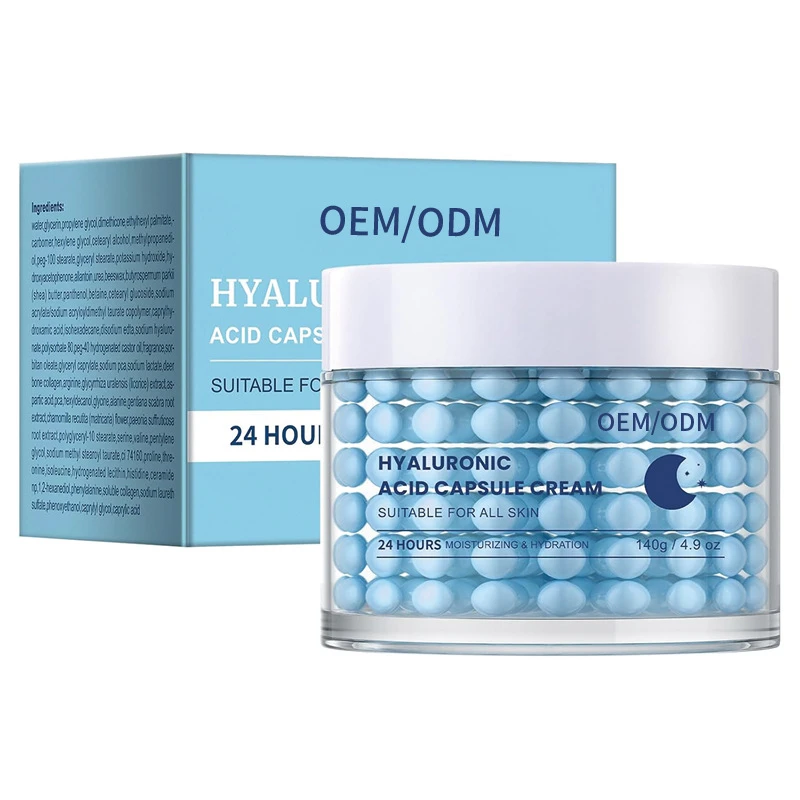
The global skincare market is experiencing unprecedented growth. Driven by social commerce, clean beauty movements, and highly educated consumers, new beauty brands are launching at a rapid pace. However, building a skincare brand from scratch involves a massive hurdle: infrastructure. Setting up an in-house laboratory, hiring cosmetic chemists, and purchasing industrial-grade manufacturing equipment requires millions of dollars in upfront capital.
This is where private label skincare contract manufacturing becomes the ultimate strategic equalizer.
By partnering with a specialized manufacturer, brands can bypass production bottlenecks, mitigate financial risk, and focus 100% of their energy on branding, marketing, and distribution. Whether you are an established beauty brand scaling your product line or an entrepreneur launching your first serum, understanding how the contract manufacturing landscape works is critical to your long-term success.
1. Demystifying the Terminology: Private Label vs. Contract Manufacturing
In the beauty B2B ecosystem, terms like “white label,” “private label,” and “contract manufacturing” are frequently thrown around interchangeably. However, they represent distinctly different operational paths.
| Production Model | Customization Level | Development Time | Upfront R&D Cost | Best For |
| White Label | None (Generic formula, unique sticker) | 1–4 Weeks | Zero | Quick entry, low budget, spa/salon retail |
| Private Label | Moderate (Proven baseline formula + custom scents/actives) | 1–3 Months | Minimal | Fast scaling, established audiences |
| Contract Manufacturing | 100% Bespoke (Custom formulation from scratch) | 6–12+ Months | High | Unique market positioning, proprietary IP |
Private Label Skincare
With private label manufacturing, the factory has a library of pre-formulated, pre-tested skincare products (e.g., a clinically proven Vitamin C serum or a niacinamide barrier repair cream). You choose a formula, customize minor elements like the fragrance or a specific botanical active ingredient, and put your brand’s label on the packaging.
Skincare Contract Manufacturing (OEM/ODM)
Contract manufacturing is a full-service, bespoke solution. You work directly with cosmetic chemists to build a proprietary formula from the ground up. This model gives you complete control over texture, ingredient selection, color, efficacy levels, and performance metrics, resulting in a product that belongs entirely to your brand.
2. Key Benefits of Outsourcing Your Skincare Production
Partnering with an established B2B skincare manufacturer provides significant competitive advantages that extend far beyond simply outsourcing labor.
-
Accelerated Speed to Market: Developing a custom formula from scratch can take over a year due to stability testing. Private label options allow brands to launch market-ready, compliant products in a fraction of the time.
-
Regulatory Compliance Support: Experienced manufacturers operate within certified facilities (such as ISO 22716 and cGMP environments). They manage the heavy lifting of regulatory documentation, safety data sheets (SDS), and microbiology testing.
-
Access to Cutting-Edge R&D: Leading contract manufacturers closely track global raw material innovations. By partnering with them, your brand instantly gains access to advanced delivery systems (like encapsulated retinol), plant-based active ingredients, and sustainable beauty formulations.
-
Scalability and Cost Efficiency: Factories buy raw ingredients and packaging materials in massive bulk quantities. They pass these economies of scale down to you, lowering your cost of goods sold (COGS) and maximizing your retail profit margins.
3. The Lifecycle of Skincare Contract Manufacturing
Launching a successful skincare product requires a structured, step-by-step process to ensure quality control and market viability. A typical manufacturing lifecycle follows five essential phases.
Phase 1: Product Briefing and Ideation
Everything begins with a detailed product brief. Brands define their target audience, target retail price, ingredient preferences (e.g., vegan, cruelty-free, silicone-free), and functional goals (e.g., a lightweight gel-cream that targets hyperpigmentation).
Phase 2: Formulation and R&D Sampling
If you choose a fully custom contract manufacturing route, chemists will create initial lab samples based on your brief. If you choose a private label route, the manufacturer will send you samples from their existing benchmark catalog. You will evaluate these samples for texture, absorption, scent, and immediate skin feel.
Phase 3: Rigorous Testing and Compliance
Before a formula can hit mass production, it must pass strict safety protocols:
-
Stability Testing: Samples are exposed to extreme temperatures and UV light over 8 to 12 weeks to ensure the formula won’t separate, change color, or lose active ingredient efficacy.
-
Preservative Challenge Testing (PET): Ensures the product’s preservation system effectively prevents microbial, bacterial, and fungal growth during real-world consumer use.
-
Compatibility Testing: Verifies that the formulation does not chemically react with or degrade the primary packaging container (e.g., plastic leaching into a chemical sunscreen).
Phase 4: Packaging and Container Selection
While testing is underway, packaging is sourced. The primary packaging (bottles, jars, tubes, airless pumps) must not only look aesthetically pleasing but must also protect the integrity of the formula. For example, light-sensitive ingredients like pure retinol or ascorbic acid require opaque or amber glass packaging to prevent oxidation.
Phase 5: Mass Production, Filling, and Logistics
Once the formula is approved and components arrive at the facility, bulk manufacturing begins using high-shear industrial mixers. The product is filled into containers, capped, batch-coded for traceability, boxed into secondary packaging, and prepared for freight shipping to your distribution center.
4. How to Evaluate and Choose the Right Manufacturing Partner
Your manufacturer is the literal engine of your skincare business. Choosing the wrong partner can lead to catastrophic product recalls, delayed launches, or compromised product quality. When vetting potential facilities, look for these foundational markers:
Verified Certifications
Ensure the factory holds updated certifications. Look for GMP (Good Manufacturing Practices) compliance and ISO 22716 certification, which is the international standard for cosmetics manufacturing. If your brand positioning relies on specific claims, verify that the facility is registered to produce certified organic, vegan, or cruelty-free formulations.
Minimum Order Quantities (MOQs)
MOQs vary drastically across the industry. Large-scale contract manufacturers may require minimums of 10,000 units per stock-keeping unit (SKU), whereas boutique private label suppliers might offer low MOQs starting at 500 to 1,000 units. Choose a partner whose production thresholds align with your current capital and growth projections.
Sourcing and Sustainability Alignment
Modern consumers demand transparency. Ask potential partners about their ingredient supply chain. Can they source zero-waste botanical extracts, upcycled active ingredients, or biodegradable raw materials? Furthermore, check if they offer eco-friendly packaging alternatives like PCR (Post-Consumer Recycled) plastic, sugarcane tubes, or lightweight refillable glass systems.
5. Pitfalls to Avoid When Negotiating Production Contracts
Supplier Comparison: Certifications and US Market Access
If you are selling guide to private label skincare contract manufacturing into the United States, the certification list is where supplier tiers separate most sharply. The table below compares what each level of compliance investment actually covers, and what it still leaves you responsible for.
| Requirement | What it covers | Who it applies to | Who maintains it |
|---|---|---|---|
| ISO 22716 | Good Manufacturing Practice for cosmetics | Factory | Factory, audited annually |
| FDA facility registration | Listing cosmetics manufacturing and repacking sites | Factory in the US facility listing | Factory, renewed biennially |
| MoCRA Responsible Person | Named US party accountable for adverse event reporting | Brand owner / importer | Brand owner, not the factory |
| Cosmetic product labelling (MoCRA) | Safety substantiation, accurate ingredient and net-content declarations | Brand owner | Brand owner |
| Prop 65 assessment | California-specific exposure risk labelling | Brand owner selling into California | Brand owner |
| COA per batch | Identity, purity and microbiological results for each lot | Brand owner / ingredient buyer | Factory, issued per shipment |
The most common failure we see is a factory holding a valid ISO certificate while the brand owner has never appointed a US Responsible Person. Ask specifically who holds that role.
Want numbers for your own product? Send us your target category,
packaging preference and estimated annual volume, and we will come back with a written quotation and MOQ options —
usually within one business day.
To protect your brand equity and financial investment, stay alert to these common industry pitfalls during the negotiation stage:
-
Unclear Formulation Ownership: If you develop a custom formula with a contract manufacturer, ensure the contract explicitly states who owns the intellectual property (IP). If the factory owns the formula, you cannot take that exact recipe to a different manufacturer if production rates rise.
-
Ignoring Hidden Turnkey Fees: Clarify what is included in the unit price. Does it cover batch testing, labeling, palletization, and customs documentation? Watch out for surprise add-on fees for storage or quality control checks.
-
Failing to Plan for Lead Time Fluctuations: Standard production lead times hover around 8 to 12 weeks, but raw material shortages or global shipping bottlenecks can easily double that timeline. Always factor a buffer into your launch calendar.
Conclusion: The Path Forward
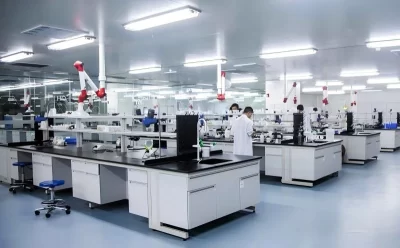
Leveraging private label skincare contract manufacturing is the most efficient path to turning a creative beauty concept into a highly profitable, tangible product line. By identifying a reliable manufacturer that aligns with your brand value, compliance standards, and scaling requirements, you effectively secure a world-class production infrastructure. This allows you to step away from the lab bench and focus entirely on what matters most: building an authentic connection with your consumers and capturing market share in the thriving beauty industry.