
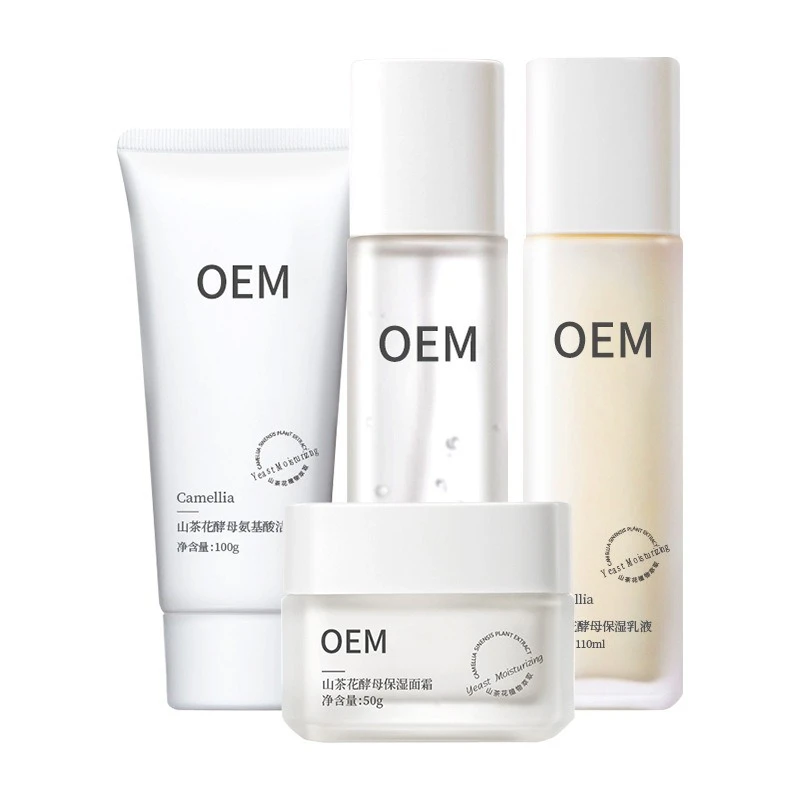
For ambitious beauty brands, China is no longer just the factory floor of the world—it is the innovation engine. Working with a cosmetics manufacturer in China gives you access to mature supply chains, world-class formulation talent, and the scale to grow from a single hero SKU to a global portfolio. But partnership is a craft, not a purchase order. The brands that win are the ones who manage the journey from formula to full production with clarity, documentation, and mutual trust.
This playbook breaks the partnership into six stages—briefing, formulation, sampling, verification, mass production, and export compliance—so you can move from concept to shelf without the costly detours that derail first-time launches.
Stage 1: Write a Brief a Manufacturer Can Actually Build
Everything downstream depends on a sharp brief. Before contacting a cosmetics manufacturer in China, document:
- Product concept and claims: What does it do, and which claims are legal in your market?
- Texture and sensory targets: Gel, cream, oil, powder? Fragrance family?
- Key actives and concentrations: Niacinamide 5%, vitamin C 10%, peptide blend, etc.
- Target skin/hair type and use scenario.
- Packaging direction: Airless pump, jar, tube, sachet—and sustainability constraints.
- Volume and timeline: Pilot batch size, reorder cadence, launch date.
A precise brief shortens the formulation loop and prevents the endless “let’s try again” cycle that burns both time and goodwill.
Stage 2: Formula Development and Co-Creation
A strong cosmetics manufacturer in China does not just copy a reference sample—it co-creates. Expect a structured R&D process:
- Benchmark analysis of your reference product (texture, pH, viscosity, active profile).
- Prototype formulation aligned to your INCI and claims.
- Sensory and stability adjustment—tuning feel, absorption, and shelf life.
- Claims support through documented testing where required.
For a detailed look at the formula-customization process—raw-material selection and cost control—see our complete guide to cosmetics manufacturer formula customization. The goal is a formula that is stable, pleasant, and defensible, not merely “good enough.”
Stage 3: Sampling—Approve with Your Senses, Not a PDF
Sampling is where intentions meet reality. Run a disciplined loop:
- First sample: Validate concept and texture. Expect 1–2 iterations.
- Stability sample: Subject to temperature cycling and accelerated aging to predict shelf life.
- Pilot packaging sample: Confirm filling, labeling, and consumer unpacking experience.
Never approve production from a screen. A reliable cosmetics manufacturer in China will encourage physical sampling and independent lab testing for microbiology and heavy metals before you scale. The five-core sourcing steps in our 2026 guide to finding a reliable Guangzhou cosmetics manufacturer reinforce exactly this disciplined, audit-first approach.
Stage 4: Quality Control and Batch Consistency
Consistency is the difference between a one-time sale and a loyal customer. Insist on:
- Incoming material inspection with supplier COAs.
- In-process checks at mixing, filling, and packaging.
- Finished-goods testing—microbiology, pH, viscosity, appearance.
- Batch records you can trace for every lot shipped.
A professional cosmetics manufacturer in China treats QC as a system, not a final gate. Ask to see their standard operating procedures and defect-rate history; transparency here predicts your future return rate.
Stage 5: Mass Production—Scaling Without Losing Quality
Scaling from 500 units to 50,000 exposes every weakness in a process. Protect the transition by:
- Locking the approved formula and spec sheet as the production baseline.
- Running a pre-production run to confirm line settings and yield.
- Scheduling with buffer around Chinese peak seasons and holidays.
- Defining acceptance criteria (AQL sampling plan) in the contract.
The full arc—from formula development through mass production—is mapped in our China cosmetics OEM factory guide. The discipline you build at 500 units is what keeps quality intact at 50,000.
Yield and cost discipline deserve special attention at this stage. A cosmetics manufacturer in China with mature line setups will quote not just unit price but expected fill yield, allowable overage, and rejection rates—figures that quietly determine your true landed cost. Negotiate overage as a fixed percentage (typically 3–5%) rather than an open-ended top-up, confirm whether defective units are replaced or credited, and review the cost breakdown so packaging and filling are itemized separately from the formula. Small brands often save the most not by demanding the lowest quote, but by tightening spec tolerance and reducing changeovers: consolidating shades, standardizing bottle sizes, and grouping reorders all lower per-unit cost without compromising the product your customers already love.
Stage 6: Compliance and Export Readiness
A great product that cannot clear customs is not a product. Your cosmetics manufacturer in China should support:
- Regulatory filing (e.g., China’s cosmetics registration/filing, EU Responsible Person, US FDA establishment registration under MoCRA).
- Documentation pack: COA, SDS, full INCI, batch records, and certificates of free sale where needed.
- Label review for claim and language compliance in the destination market.
- Sustainable packaging options for brands targeting clean-beauty consumers.
Speaking of sustainability, our 2026 clean beauty manufacturing guide covers vegan, cruelty-free, and recyclable packaging strategies that increasingly decide shelf access in the EU and North America.
OEM, ODM, or Private Label? Match the Model to Your Stage
- Private label: Fastest launch using the manufacturer’s existing formula; ideal for testing demand. Our guide to low-MOQ private label shampoo shows how small brands build an exclusive haircare line on flexible terms.
- ODM: Manufacturer-led formula you brand and customize; balanced speed and differentiation.
- OEM: You own the formula; the factory executes. Maximum control, longer lead time.
The right cosmetics manufacturer in China offers all three and helps you choose based on runway, differentiation, and volume—not on what is easiest to sell you.
Common Mistakes When Partnering with a Cosmetics Manufacturer in China
Avoid these repeat offenders:
- Under-briefing. Vague concepts produce vague products and endless revisions.
- Skipping the NNN agreement. Protect your IP before sharing formulas or concepts.
- Price-only selection. Lowest quote often means substituted actives or skipped testing.
- No pilot order. Scale only after a small batch proves communication, quality, and lead time.
- Ignoring compliance early. Regulatory fixes after production are expensive and sometimes impossible.
Building a Long-Term Manufacturing Partnership
The most successful global brands treat their cosmetics manufacturer in China as an extension of their own team. Share roadmaps, co-plan capacity, and involve them early in new-product ideation. In return, you get priority scheduling, early access to new actives and formats, and a partner invested in your growth rather than a vendor waiting for the next PO.
Conclusion
Partnering with a cosmetics manufacturer in China is a staged journey: brief with precision, co-create the formula, sample with your senses, verify with data, scale with locked specs, and export with complete documentation. Brands that respect each stage launch faster, recall less, and build products customers repurchase.
Ready to start your formula-to-mass-production journey?
If you want a pre-vetted cosmetics manufacturer in China to take your concept from brief to bulk, reach out to our team. Share your product idea, target volume, and destination market, and we will return a tailored OEM/ODM plan with timelines, pricing, and compliance support—so you can move from idea to shelf with a partner, not a gamble.