
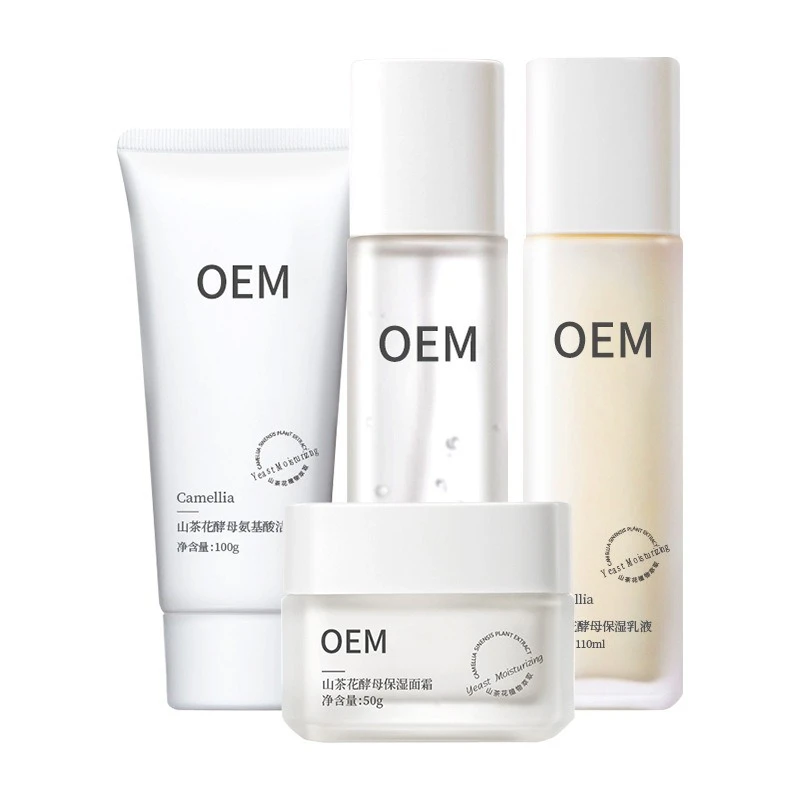
The global skincare market is experiencing an unprecedented boom, driven largely by agile, niche, and indie beauty brands. However, for emerging entrepreneurs and startup founders, one massive hurdle stands in the way of turning a formula idea into a physical product: Minimum Order Quantities (MOQs).
Traditionally, cosmetic contract manufacturers required minimum orders ranging from 5,000 to 10,000 units per product SKU. For a new business, this translates to tens of thousands of dollars tied up in inventory before testing market demand.
Enter the low MOQ skincare manufacturer. By offering small-batch production runs starting anywhere from 100 to 1,000 units, these manufacturing partners are lowering the barrier to entry and reshaping how modern skincare brands launch and scale.
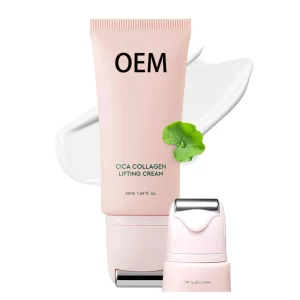
What is a Low MOQ Skincare Manufacturer?
A low MOQ skincare manufacturer is a specialized contract cosmetics factory or private label provider that accepts small-volume production runs—typically between 100 and 1,000 units per SKU—compared to traditional factories that demand 5,000+ units.
Key Definition: Minimum Order Quantity (MOQ) refers to the lowest number of product units a manufacturer is willing to produce in a single production run.
These flexible manufacturing partners cater specifically to:
-
Indie Beauty Startups testing new product concepts.
-
E-commerce Brands seeking fast turnaround times and limited cash risk.
-
Spas, Salons, & Dermatologists creating custom retail products.
-
Established Brands launching limited-edition seasonal products.
Why Partnering with a Low MOQ Manufacturer is Essential for Startups
Choosing a small-batch manufacturing partner offers crucial strategic advantages that go far beyond simple cost savings.
1. Financial Risk Mitigation
Inventory management is the #1 capital burner for physical product brands. Working with a low MOQ supplier reduces upfront capital expenditure, allowing founders to allocate funds toward marketing, branding, and customer acquisition.
2. Rapid Market Testing & Agility
In the fast-moving beauty industry, trends change rapidly. Small production batches allow you to test serums, creams, or cleansers in the market, collect authentic consumer feedback, and iterate formulas or packaging without sitting on thousands of unsold units.
3. Reduced Storage & Waste Overhead
Unsold cosmetic inventory degrades over time due to ingredient shelf-life and expiration constraints. Small batches ensure freshness, higher product quality, and zero warehousing headaches.
Low MOQ Manufacturing Options: Private Label vs. Custom Formulation
When sourcing a low MOQ skincare manufacturer, you will generally encounter two distinct service models: Private Label (White Label) and Custom Formulation (ODM/OEM).
| Feature | Private Label (Stock Formulas) | Custom Formulation (Bespoke) |
| Typical MOQ | Very Low (50 – 300 units) | Moderate (500 – 1,000+ units) |
| R&D / Development Time | Minimal (Ready-to-ship) | 3 to 6+ months |
| Upfront Costs | Low | Higher (Formulation fees + Stability tests) |
| Uniqueness | Pre-formulated base (Shared formula) | 100% Exclusive formula |
| Best For | Fast market entry, low budgets | Unique ingredient claims, brand differentiation |
How to Work with a Low MOQ Skincare Manufacturer: A Step-by-Step Guide
Launching a product successfully requires a structured workflow. Here is the standard process when collaborating with a small-batch manufacturer:
[1. Product Concept] ➔ [2. Sampling & Testing] ➔ [3. Packaging & Compliance] ➔ [4. Production & Fulfillment]
Step 1: Define Your Product Concept & Target Specs
Before reaching out to a factory, prepare a detailed Product Brief. Specify:
-
Product type (e.g., Vitamin C Serum, Hydrating Cleanser, Barrier Cream).
-
Target audience and key performance claims (e.g., vegan, fragrance-free, spot-treatment).
-
Target price per unit and retail price point.
Step 2: Request Samples & Conduct Bench Testing
Never order bulk manufacturing without thoroughly evaluating samples. Test the sample for:
-
Texture & Absorption: How does it feel on the skin?
-
Scent & Stability: Does the fragrance or color change over 2–4 weeks?
-
Packaging Compatibility: Does the pump or dropper work smoothly with the formula viscosity?
Step 3: Source Packaging and Ensure Label Compliance
Packaging choice heavily impacts MOQs. While a factory might offer a 200-unit formulation run, custom-printed bottles or boxes may carry an MOQ of 1,000+.
-
Pro Tip: Use stock packaging (bottles/jars) and customize them using custom-printed waterproof labels or silk screening to keep overall MOQs low.
Step 4: Quality Control & Small-Batch Pilot Run
Once samples and artwork are approved, the manufacturer conducts a pilot production run. Ensure your factory provides a Certificate of Analysis (COA) and Safety Data Sheets (SDS) for international export and regulatory compliance.
Crucial Checklist: How to Evaluate a Reliable Skincare Manufacturer
Not all low MOQ suppliers are created equal. To safeguard your brand’s reputation and consumer safety, vet potential partners against the following checklist:
-
[ ] Regulatory Certifications: Does the facility comply with ISO 22716 (Cosmetic GMP) and GMPC standards? Is the factory registered with relevant authorities (e.g., US FDA, EU CPNP)?
-
[ ] Ingredient Quality & Transparency: Can they provide documentation (COA, MSDS) for raw materials? Do they source ethically and sustainably?
-
[ ] In-House Testing Capabilities: Do they perform stability, micro-testing, and packaging compatibility testing?
-
[ ] Scalability Potential: Can the facility smoothly transition your brand from a 500-unit batch to a 10,000-unit batch as your sales scale?
Frequently Asked Questions (FAQs)
What is considered a “low MOQ” in skincare manufacturing?
In the cosmetics industry, an MOQ between 100 and 1,000 units per SKU is considered low. Anything under 100 units usually falls under off-the-shelf private label or sample runs.
Why are per-unit costs higher for low MOQ runs?
Manufacturing involves fixed setup costs, including machine cleaning, line calibration, raw material blending, and labor. When producing fewer units, these fixed overhead costs are distributed across a smaller quantity, resulting in a higher cost-per-unit (CPU).
Can I get a custom skincare formula with a low MOQ?
Yes, but custom formulations generally require higher MOQs (typically 500 to 1,000 units) than stock private-label formulas due to raw material purchasing constraints and specialized R&D labor.
How long does the manufacturing process take for small batches?
For private label stock formulas, lead times are usually 2 to 4 weeks. For custom formulations requiring custom packaging and stability testing, production lead times generally range from 8 to 12 weeks.
Conclusion: Scale Your Brand with the Right Manufacturing Partner
Finding the right low MOQ skincare manufacturer is one of the most vital strategic decisions for any modern beauty entrepreneur. It transforms a high-risk venture into a lean, agile brand launch strategy—allowing you to test the market, preserve capital, and iterate based on real customer feedback.
When selecting your production partner, prioritize GMP compliance, transparent communication, and scalable capabilities. By aligning with a manufacturer that supports small batches today, you build a solid foundation to scale seamlessly into large-volume production tomorrow.