
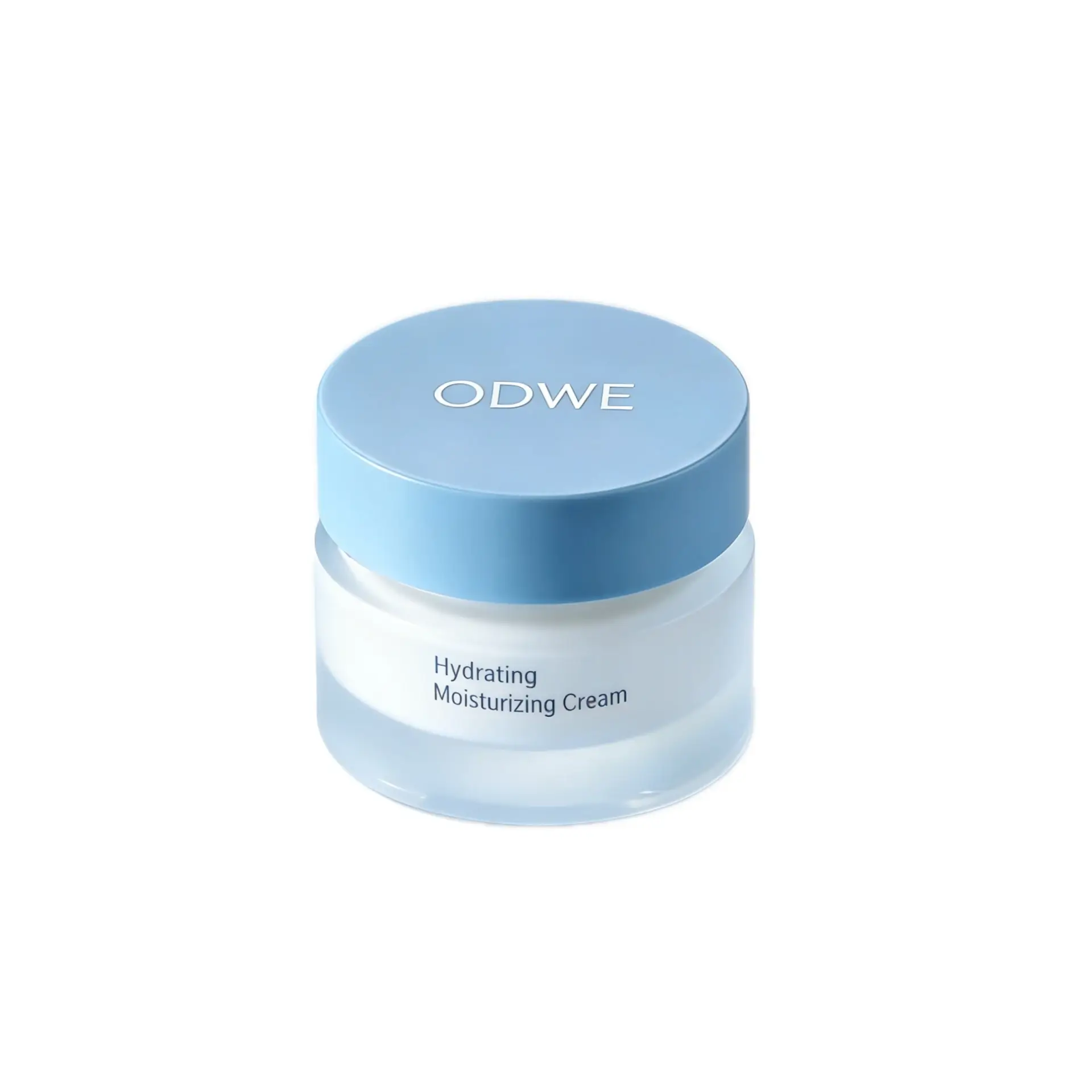
The global beauty and personal care market is booming, and sourcing your products from China—the world’s premier hub for cosmetics OEM/ODM manufacturing—is one of the most profitable ways to scale a beauty brand. Manufacturing hubs like Guangzhou house state-of-the-art facilities capable of producing high-quality shampoos, hair dyes, skincare, and makeup at highly competitive costs.
However, importing cosmetics isn’t as simple as shipping a pallet of goods. Cosmetics are applied directly to human skin, meaning international customs and health authorities regulate them strictly. Failing to secure the proper certifications won’t just result in shipping delays—it can lead to total customs seizures, heavy fines, or severe brand damage.
To ensure a seamless supply chain, this guide breaks down the essential certifications, regulatory frameworks (including US MoCRA and EU compliance), and documentation you need when importing cosmetics from China.
1. The Core Baseline: What Your Chinese Manufacturer Must Hold
Before looking at your country’s specific import regulations, you must verify that your Chinese supplier runs a legally compliant, high-quality operation. Never partner with a factory that cannot instantly provide the following foundational credentials:
Cosmetic Production License
Issued by the local provincial Medical Products Administration (MPA) in China, this license proves the factory is legally permitted to manufacture cosmetics. It specifies what product categories (e.g., hair care, liquids, creams, powders) the facility is certified to produce.
ISO 22716 & GMPC Certification
Good Manufacturing Practices (GMP) are non-negotiable in the cosmetics industry.
-
ISO 22716: The international standard for the safety of cosmetic products, covering production, control, storage, and shipment.
-
GMPC (US/ASEAN Guidelines): Specifically tailored to meet the strict sanitation and production standards required by the US and European markets.
Pro Tip: A reputable B2B factory will routinely undergo third-party audits (by firms like SGS, Intertek, or TÜV) to keep these certificates updated. Always ask for the original PDF copies to verify their validity.
2. Destination-Specific Certifications & Regulations
Cosmetic compliance is highly regional. You must meet the specific standards of the country where you plan to sell the products. Here is what is required for the world’s major markets.
The United States: FDA & MoCRA Compliance
The regulatory landscape in the US has shifted dramatically with the full implementation of the Modernization of Cosmetics Regulation Act (MoCRA). If you are importing into the US, the old voluntary programs are gone. Compliance is now mandatory.
-
Facility Registration: The Chinese facility manufacturing your cosmetics must be registered with the FDA.
-
Product Listing: You (or the manufacturer) must submit a detailed product listing to the FDA, including the matrix of ingredients and where the product is manufactured.
-
Safety Substantiation: Importers must maintain robust scientific evidence proving that the cosmetic products are safe for consumers under customary conditions of use.
-
Color Additive Certification: The FDA strictly regulates colorants. Any color additives used in your makeup or hair dyes must be on the FDA-approved list. Some specific color batches must even be certified in FDA laboratories.
-
Fragrance Allergen Disclosures: Labels must explicitly list designated fragrance allergens.
The European Union (EU) & United Kingdom (UK)
The EU and UK have some of the strictest cosmetic safety standards in the world, regulated under EU Regulation (EC) No 1223/2009 and the UK Cosmetics Regulation.
| Requirement | What It Involves |
| Responsible Person (RP) | You must appoint a legal entity based inside the EU/UK to act as your Responsible Person. They assume full legal liability for product compliance. |
| Product Information File (PIF) | A massive compliance dossier containing the exact formulation, manufacturing methods, proof of effects, and the Cosmetic Product Safety Report (CPSR) signed by a qualified toxicologist. |
| CPNP / SCPN Notification | Before your goods land at the port, your RP must notify the products via the Cosmetic Products Notification Portal (CPNP) for the EU, or the Submit Cosmetic Product Notifications (SCPN) portal for the UK. |
A Note on Animal Testing: The EU and UK ban animal testing completely. When sourcing from China, ensure your manufacturer utilizes alternative, in-vitro safety testing methods to comply with Western “Cruelty-Free” expectations and laws.
3. Essential Testing Reports & Technical Paperwork
Beyond major registrations, customs clearance requires a specific “paperwork trail” for every production batch. Your Chinese OEM/ODM partner should compile these technical documents for your shipping dossier:
Certificate of Analysis (COA)
A COA is issued for every single batch of products shipped. It verifies that the specific batch meets the required chemical and physical specifications (such as pH levels, viscosity, and active ingredient percentages).
Safety Data Sheet (SDS / MSDS)
Crucial for international logistics, an SDS details the chemical composition of the product, handling instructions, potential hazards, and transport safety protocols. Shipping lines and airlines will refuse to load cosmetics without an accurate SDS.
Heavy Metal & Microbiological Testing
Cosmetics must be free from harmful pathogens and heavy metals. Your import dossier should include lab reports proving the product stays within safe boundaries for:
-
Heavy Metals: Lead, Arsenic, Mercury, and Cadmium.
-
Microbiology: Total aerobic microbial count (TAMC), yeast, and mold, alongside tests proving the absence of dangerous pathogens like Staphylococcus aureus.
4. The Cosmetic Importer’s Compliance Checklist
To make your next B2B sourcing journey as seamless as possible, use this step-by-step checklist when working with your Chinese manufacturer:
-
[ ] Verify Supplier Credentials: Request and cross-check the factory’s Cosmetic Production License, ISO 22716, and GMPC certificates.
-
[ ] Formulation Review: Run the product formulation against your target market’s banned ingredient list (e.g., FDA or EU cosmetic ingredient databases).
-
[ ] Appoint Compliance Representatives: (If importing to the EU/UK) Secure an established Responsible Person.
-
[ ] Finalize the Labelling: Ensure your packaging meets localized labelling laws (including ingredient lists in INCI nomenclature, country of origin, net weight, and distributor details).
-
[ ] Request the Batch Dossier: Ensure the COA, SDS, and microbiological test reports are packed alongside the commercial invoice and packing list.
5. Frequently Asked Questions (FAQ)
Q1: Do I need different certificates for custom formulations (ODM) compared to ready-made private label (OEM) cosmetics?
Yes, the certification dossier differs significantly based on who owns the formulation.
-
For Private Label (OEM): You are buying a pre-existing formula developed by the Chinese factory. The factory should already have a complete Product Information File (PIF), safety assessments, and stable testing reports ready. Your primary job is ensuring the labelling matches your local regulations.
-
For Custom Formulations (ODM): If you develop a custom formula (e.g., adding a specific active ingredient for hair growth or custom colorants for a hair dye line), you must run new stability tests, microbiological tests, and a fresh toxicological safety assessment. This takes more time and requires close collaboration with the factory’s R&D department.
Q2: How does the US MoCRA law specifically impact beauty brands importing from China in 2026?
Under MoCRA (Modernization of Cosmetics Regulation Act), the regulatory burden shifted dramatically to the “Responsible Person” (the brand owner or importer). In 2026, you cannot clear US customs unless your Chinese supplier has their FDA Facility Registration number active, and you have completed the mandatory FDA Product Listing. Furthermore, you must have a standardized system in place for tracking and reporting “Serious Adverse Events” to the FDA within 15 business days if a consumer experiences a severe reaction.
Q3: Is animal testing still mandatory for cosmetics manufactured in China?
No, not for export. This is a common point of confusion. China’s domestic animal testing laws only apply to cosmetics sold inside the retail market of mainland China. If a Chinese cosmetics factory is producing goods solely for export to your country (the US, EU, UK, etc.), those products are completely exempt from Chinese domestic animal testing requirements. Your products can be 100% cruelty-free and still be manufactured in China.
Q4: How can I verify if a Chinese cosmetics manufacturer’s ISO 22716 or GMPC certificate is authentic?
Never take a PDF certificate at face value. To verify a supplier’s credentials:
-
Look at the bottom of the certificate for the name of the auditing body (e.g., SGS, Intertek, TÜV Rheinland, Bureau Veritas).
-
Go directly to that specific auditing firm’s official certificate verification portal online.
-
Enter the Certificate Number and the exact English/Chinese legal name of the factory. If the certificate is forged or expired, the database will flag it immediately.
Q5: What happens if my cosmetic shipment arrives at customs without the correct paperwork?
If your technical documentation (like the SDS or COA) is missing or mismatched, customs authorities will flag the shipment. Depending on the severity of the violation, authorities may:
-
Hold the goods at the port (incurring heavy daily demurrage fees).
-
Issue a mandatory “Return to Sender” order at your expense.
-
Confiscate and destroy the entire shipment if unauthorized or banned ingredients (such as unapproved color additives) are detected.
Conclusion: Build on Trust and Compliance
Importing cosmetics from China offers massive commercial advantages, but only if you approach compliance with a strict, professional mindset. Cutting corners on certifications or partnering with unverified factories is a short-term strategy that leads to long-term financial loss.
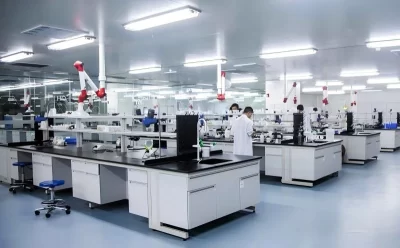
When vetting a Chinese cosmetics factory, choose an experienced B2B partner that understands global standards, proactively updates their certifications, and assists you in compiling the exact dossiers required by the FDA or EU customs. By securing your compliance foundation early, you protect your investment, build consumer trust, and set your beauty brand up for highly profitable scalability.